


Wine and Food Pairing for Home Cooks: A Simple Guide to Getting It Right

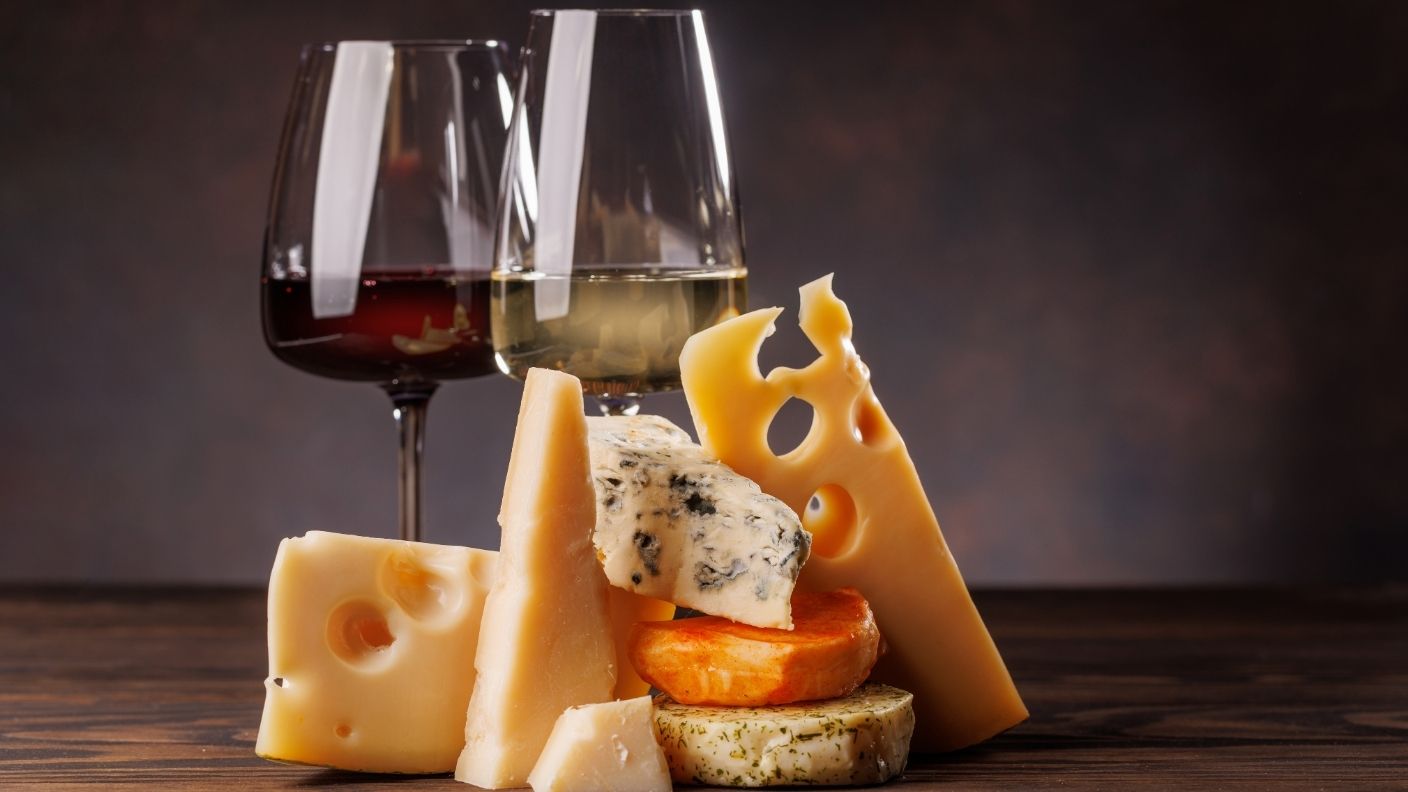

The first time I tried to “pair” wine with a meal, I overthought it completely. I bought a bottle a magazine told me to, served it with a dish it wasn’t meant for, and spent the whole dinner wondering why nothing clicked. Years of cooking (and plenty of happy accidents) later, I’ve learned that good pairing isn’t about rules or a sommelier’s vocabulary. It’s about balance — the same instinct you already use when you add a squeeze of lemon to a rich sauce or a pinch of salt to caramel.
If you can cook, you can pair. This is the guide I wish someone had handed me back then: practical, unfussy, and built for real weeknight dinners and weekend gatherings, not a tasting exam.
The One Rule That Actually Matters
Forget “red with meat, white with fish.” It’s a decent starting point, but it falls apart the moment you cook something interesting. The rule that actually holds up is this: match intensity, then decide whether to complement or contrast.
- Match intensity. A delicate dish wants a delicate drink; a bold dish wants a bold one. A light herb-roasted chicken gets overwhelmed by a heavy, tannic red, and a dainty white disappears next to a smoky brisket.
- Complement or contrast. Once the weights match, you either echo a flavor (buttery Chardonnay with a creamy pasta) or cut against it (crisp, acidic wine slicing through something rich and fatty).
That’s the whole framework. Everything below is just applying it to the food you’re already making.
Pairing Wine with the Main Event
Most home cooks build a meal around one centerpiece — a roast, a pasta, a big pot of something braised. Start your pairing there.
Roasts and Poultry
A roast chicken is the little black dress of pairing: it goes with almost anything, from an oaked Chardonnay to a light Pinot Noir. Turkey, on the other hand, trips people up every holiday season because the plate is a patchwork of sweet, savory, and tart. The trick is choosing a wine with enough acidity and fruit to weave through cranberry sauce and gravy at the same time. If you host a big seasonal dinner, it’s worth reading up on what wine goes with turkey before you commit to a case — the right bottle makes the whole table feel considered.
Pasta and Tomato-Based Dishes
Acidity loves acidity. Tomato sauces are bright and tangy, so they sing next to a medium-bodied red with its own acidity — think Sangiovese or an everyday Italian red. Cream sauces flip the equation: reach for a rounder white to match the richness.
Grilled and Smoky Foods
Char and smoke want structure. A bold red with real tannins stands up to a grilled steak or smoky ribs, because the tannins scrub the fat off your palate between bites. This is in contrast to doing its job.
The Cheese Board: Where Pairing Gets Fun
If there’s one place a home cook can look like a genius with almost no effort, it’s a cheese board. Cheese and wine are a near-foolproof match because fat and acidity balance each other beautifully.
A few reliable starting points:
- Fresh, soft cheeses (goat, mozzarella) → crisp, high-acid whites
- Nutty, aged cheeses (aged Gouda, Comté) → medium-bodied reds
- Blue cheeses → something sweet, like a late-harvest wine, to tame the funk
- Hard, salty cheeses (Parmigiano) → sparkling wine, whose bubbles reset your palate
Build the board with a mix of textures and one “safe” crowd-pleaser, and you’ve got an appetizer that doubles as entertainment. A cheese board is also the easiest way to practice pairing in real time — put out two wines, taste them side by side, and let your guests discover their own favorites. If you’re stocking up, a broad wine and spirits shop makes it easy to grab a few different styles in one trip so you can experiment without a special errand.
Don’t Forget Dessert (Especially Chocolate)
This is the pairing most people skip, and it’s the one that turns a nice dinner into a memorable one. The cardinal sin is serving a bone-dry wine with something sweet — the wine will taste sour and thin. Your drink should always be at least as sweet as the dessert.
Chocolate is its own adventure. Dark chocolate wants a bold red with some fruit; milk chocolate prefers something softer and a touch sweeter; and a good port with a flourless chocolate cake is a genuinely great way to end a night. If you bake, it’s worth learning how wine and chocolate pairings work, because the same logic applies to brownies, tarts, and truffles you make at home.
When You Want to Pour Something Stronger
Wine isn’t the only option, and after a rich meal a small pour of whiskey can be the perfect full stop — especially alongside dark chocolate, salted caramel, or a slice of pecan pie. The caramel and vanilla notes that come from barrel aging echo exactly the flavors we love in baked goods.
If you’re curious why a good whiskey tastes the way it does, understanding how whiskey is made makes you a smarter host: the grain, the char of the barrel, and the aging time all shape whether a bottle leans sweet and mellow or bold and spicy. Match a sweeter, wheated whiskey to dessert and you’ve created a pairing your guests will remember long after the plates are cleared.
A Cheat Sheet for Everyday Meals
When you don’t want to think about it, lean on these defaults:
- Pizza night → a juicy, unfussy red
- Roast chicken → Chardonnay or light Pinot Noir
- Spicy takeout → an off-dry Riesling to cool the heat
- Grilled steak → a bold Cabernet or Malbec
- Brunch → sparkling wine or a mimosa
- Chocolate dessert → port or a sweet red
- A cheese board → honestly, whatever you’re already drinking
Pairing is a skill that rewards practice, not perfection. The more you pour alongside your own cooking, the faster your instincts sharpen.
Frequently Asked Questions
Do I really need a different wine for every course? No. For most home dinners, one well-chosen bottle that complements your main dish is plenty. Save multi-wine dinners for special occasions when the pairing itself is part of the entertainment.
What’s the safest wine to serve when I don’t know my guests’ tastes? A dry sparkling wine or an unoaked, medium-bodied white. Both are food-friendly, refreshing, and rarely offend anyone. Sparkling wine in particular pairs with a surprisingly wide range of foods — and a nicely presented bottle of wine or champagne doubles as a gracious gift when you’re the guest rather than the host.
How important is serving temperature? More than most people think. Reds served too warm taste flabby and alcoholic; whites served too cold hide their flavor. A quick 15–20 minutes in the fridge for reds and out of the fridge for whites makes a real difference.
Can I cook with the same wine I’m drinking? Yes, and it’s a great habit. If a wine is good enough to sip, it’s good enough for the pan — and cooking with the same bottle you’re serving ties the dish and the glass together naturally.
Does expensive wine pair better? Not necessarily. Balance matters far more than price. A thoughtful $15 bottle that fits the dish will always beat a pricey one that fights it.
The Bottom Line
Wine and food pairing isn’t a test you can fail — it’s an extension of the cooking you already do. Match the weight of the dish to the weight of the drink, decide whether you want to echo or cut against the flavors, and trust your palate to tell you the rest. Start with your main course, have fun with a cheese board, and never skip dessert. Do that, and you’ll turn ordinary dinners into the kind of meals people linger over.
Pour something you love, cook something you’re proud of, and let the pairing take care of itself.
Please enjoy responsibly. You must be 21 or older to purchase or consume alcohol.
