


The Rise of Fake Meat: Future of Food or Failed Experiment?

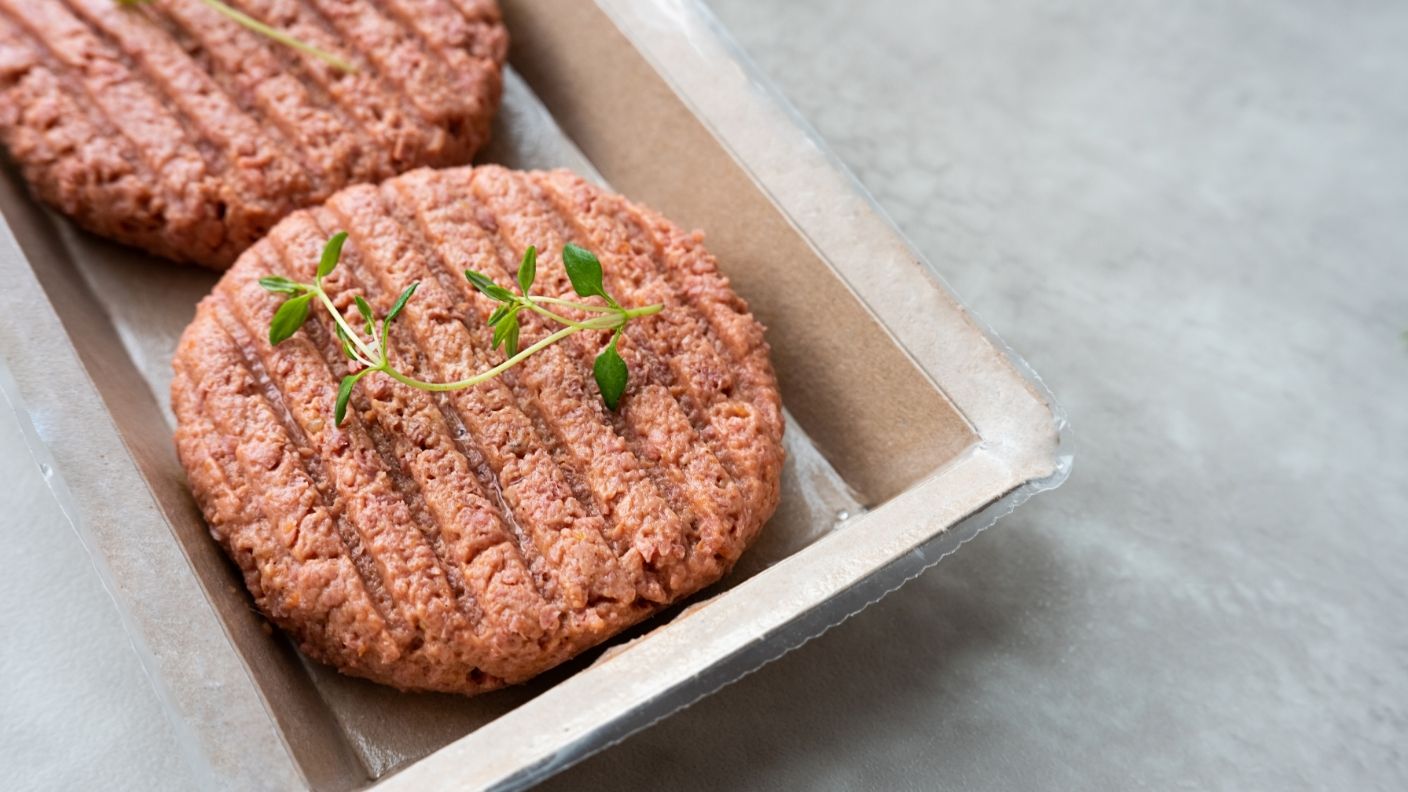

Plant based meat looked like an unstoppable food revolution just a few years ago, backed by billion dollar valuations and menus at Burger King and Starbucks. The last several years have told a considerably rockier story.
Sales have declined for multiple consecutive years, stock prices have collapsed, and some high profile plant based restaurants have shut their doors entirely. Yet plenty of serious industry analysts still believe the category has a real future ahead of it.
None of it is as simple as declaring fake meat a passing fad or a permanent replacement for the real thing. Here is the actual state of the plant based meat industry, and the honest case on both sides.
The Numbers Tell A Genuinely Brutal Story
Beyond Meat went public in 2019 with one of the most successful IPOs of the decade, reaching a market valuation of roughly 10 billion dollars. That value has since collapsed to around 200 million dollars, with the stock down 97 percent from its peak, according to Quartz.
U.S. plant based meat sales have fallen by roughly 18 to 19 percent over the past two years, according to data from the Good Food Institute cited by Forbes. Beyond Meat itself reported a net loss exceeding 100 million dollars in a single recent quarter.
Why The Sales Actually Collapsed
Higher prices compared to conventional meat sit at the center of the decline, especially as overall grocery costs have already been rising. Growing skepticism toward ultra processed food specifically has compounded that problem, since plant based meat has struggled to shake the perception that it belongs in that same category.
Forbes analysis has pointed to a simpler, more basic issue too, that consumers frequently do not understand exactly what they are eating in these products. Trying to closely mimic the taste and texture of real meat, ironically, may have made the ingredient lists feel more confusing rather than more appealing.
The Case That It Is Not Actually Over
Beyond and Impossible Foods have both pivoted strategy in response, moving away from directly mimicking meat and toward simpler, more transparent formulations instead. “Capable of confidently standing on its own as a center of the plate protein,” is how Beyond CEO Ethan Brown described the company’s newer, simplified product to VegNews.
Some industry voices remain genuinely optimistic despite the rough stretch, pointing to pea protein’s rising share of the market and predicting the category could triple in size by 2035, according to Food Navigator. Non mimic products that do not directly compete with real meat’s taste and texture appear to be earning more repeat purchases than the traditional burger and sausage substitutes ever did.
Fake meat is not dead, and it is not the unstoppable food revolution it once looked like either. What is actually happening looks more like a genuine reset, with companies rethinking what plant based protein is even supposed to taste, look and claim to be.
RELATED ARTICLE: The Surprising Reason Denzel Washington (71) Gave Up Meat, Almost
