


Plant-Based Eating: Health Revolution or Overhyped Trend?

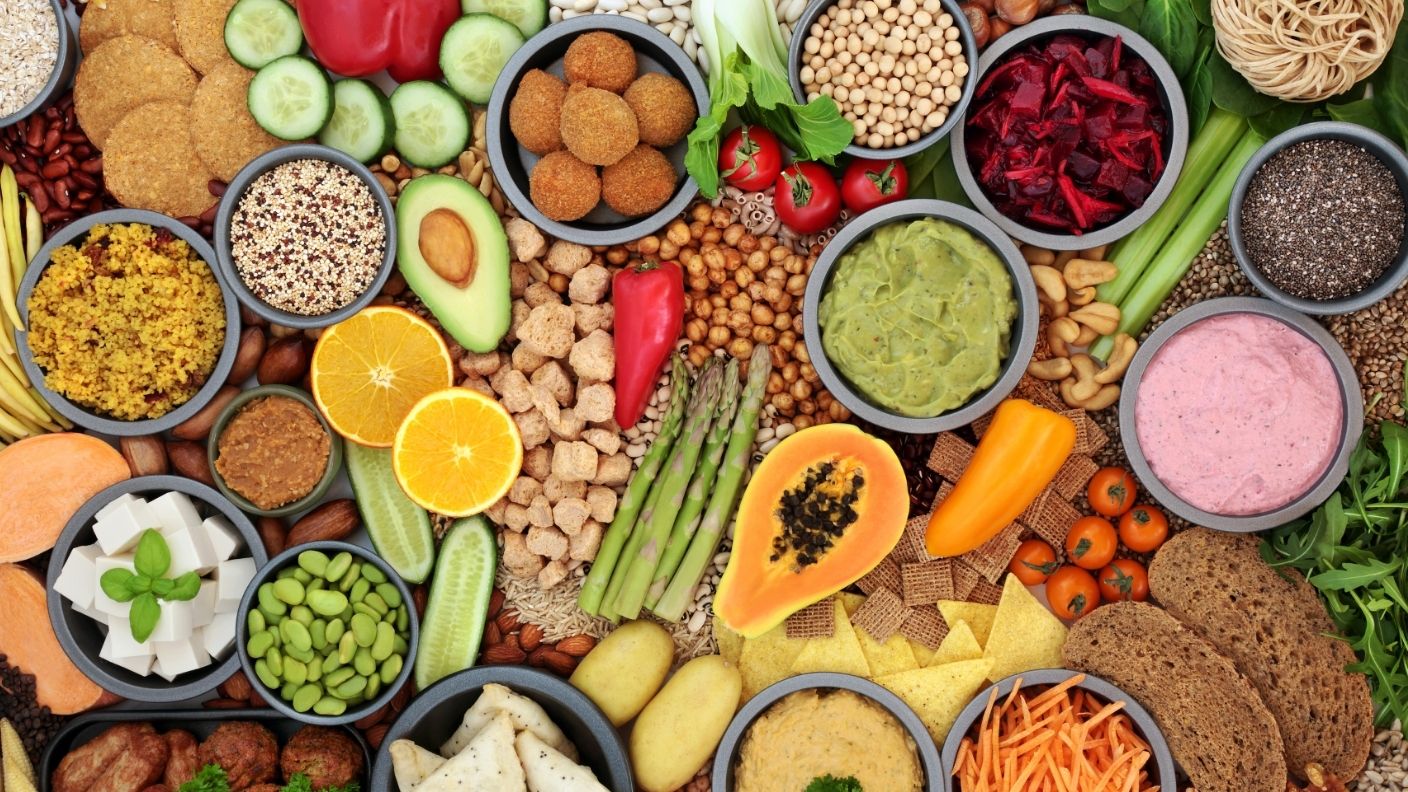

Plant based eating has been marketed for years as one of the clearest paths to better health, and also increasingly dismissed by critics as an overhyped trend riding on marketing rather than science. Both camps have real evidence to point to.
The honest answer sits somewhere in the messy middle, and recent research has actually started mapping out exactly where that middle line falls. It depends heavily on which specific plant based foods actually end up on the plate.
None of it is as simple as declaring plants automatically healthy or the whole trend a scam. Here is the actual case for and against plant based eating as a genuine health revolution.
The Case For A Genuine Health Revolution
A review of nearly 200,000 participants across three large U.S. studies found that replacing animal based ultra processed foods with plant based ones was linked to a lower risk of type 2 diabetes, according to PCRM.
Even processed plant foods like bread and cereal were associated with reduced diabetes and heart failure risk compared to their animal based equivalents.
Plant based meat alternatives specifically tend to carry less saturated fat and heme iron than real meat, while delivering more fiber, according to research reviewed in Current Nutrition Reports.
Randomized trials replacing animal protein with soy based products have shown measurable reductions in cholesterol, body weight and abdominal fat.
The Case For Skepticism
Not every plant based product delivers on the promise, and critics have real data behind their doubts too. A study of first year college students found that ultra processed plant based alternatives contained meaningfully less vitamin B2, vitamin B12, zinc and calcium than their less processed counterparts, according to Nature.
Environmental claims deserve similar scrutiny, since many modern plant based convenience foods carry a notably higher environmental footprint than simple, minimally processed plant foods like beans and vegetables, according to a review published on PubMed.
The gap between a traditional plant based diet built on whole grains and legumes and the modern, highly processed version marketed under the same label is significant.
Where The Actual Research Lands
“While ultra processed plant based foods are less healthy than whole plant foods,” they still tend to outperform unprocessed animal products on several key cardiometabolic measures, researchers concluded in the same Current Nutrition Reports review.
That nuance rarely survives translation into a marketing slogan or a skeptical headline.
The consensus among researchers studying this specifically is that plant based products work best as a genuine bridge for people transitioning away from animal products, not as a permanent substitute for whole foods.
Judging an entire dietary pattern by its most processed products, in either direction, tends to miss the actual point researchers are making.
Plant based eating is not a scam, and it is not an automatic health fix either, it depends heavily on which specific foods carry that label. The real revolution may simply be researchers finally being willing to say that processing matters more than the plant versus animal label ever did on its own.
RELATED ARTICLE: The Vegan Diet Debate: What Nobody Tells You
