


The Foods Everyone Calls Superfoods—But Are They Really?

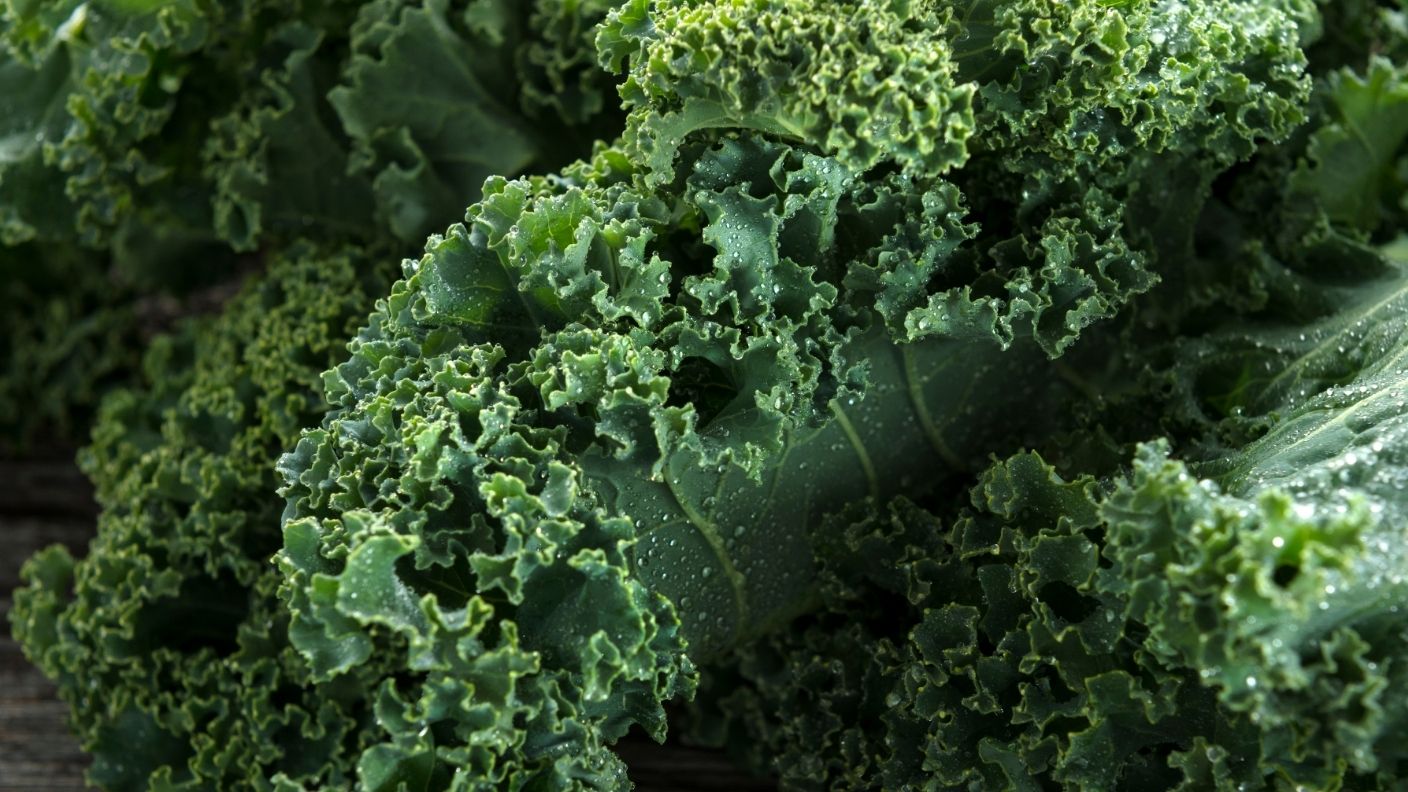

Kale, quinoa, goji berries, spirulina, whatever the current trending ingredient happens to be, the word superfood gets attached constantly, promising benefits that sound almost too good to be measured. The label shows up on packaging, headlines and influencer captions everywhere.
Behind that word, though, sits essentially nothing official at all. No government agency, scientific body or regulator actually defines what qualifies a food as super.
None of this means these foods are bad choices, most of them are genuinely nutritious. Here is what the term superfood actually means, and whether the foods carrying it deserve the hype.
The Term Started As A Marketing Push For Bananas
The word superfood likely first entered wide use around World War I, as part of a marketing campaign encouraging Americans to eat more bananas after a major import surge, according to a history noted by Nutrition Over Easy, citing Harvard’s Nutrition Source. The term had nothing to do with a scientific finding, it was built to sell fruit.
That marketing origin has repeated itself with nearly every food that has picked up the label since. The global superfood market is now projected to reach roughly 130 billion dollars, according to BYU Daily Universe, citing Global Industry Analysts data, a business built almost entirely on a word with no formal meaning.
There Is No Actual Definition Behind The Label
“The term superfoods is at best meaningless and at worst harmful,” dietitian Catherine Collins told Medical News Today. Her concern was less about the foods themselves and more about the impression it creates that ordinary, affordable foods are somehow nutritionally inferior.
Wellness dietitian Sequoia Ridley has raised a similar worry, according to CaroMont Health, noting that elevating a handful of specific foods can quietly place limits on how varied a diet actually becomes. Neither the FDA nor European food regulators recognize or regulate the term in any official capacity.
The Apple Versus Goji Berry Comparison Says It All
Goji berries are often marketed as an antioxidant powerhouse imported from remote mountain regions, commanding a steep price as a result. According to the British Dietetic Association, a person would need to drink roughly 13 servings of goji berry juice to match the antioxidant content of a single large apple.
That comparison captures the broader pattern researchers keep finding across nearly every trending superfood. Local, ordinary produce like blueberries, spinach and apples frequently matches or beats the nutrition profile of the exotic, expensive version marketed as something rarer and better.
None of this means kale or quinoa should disappear from a shopping cart, both are genuinely healthy foods worth eating. It just means the word superfood attached to them was never a scientific stamp of approval, it was a sales pitch that happened to stick.
RELATED ARTICLE: 7 Best Vegetables for Longevity
