


The Supermarket Layout Tricks That Influence Everything You Buy

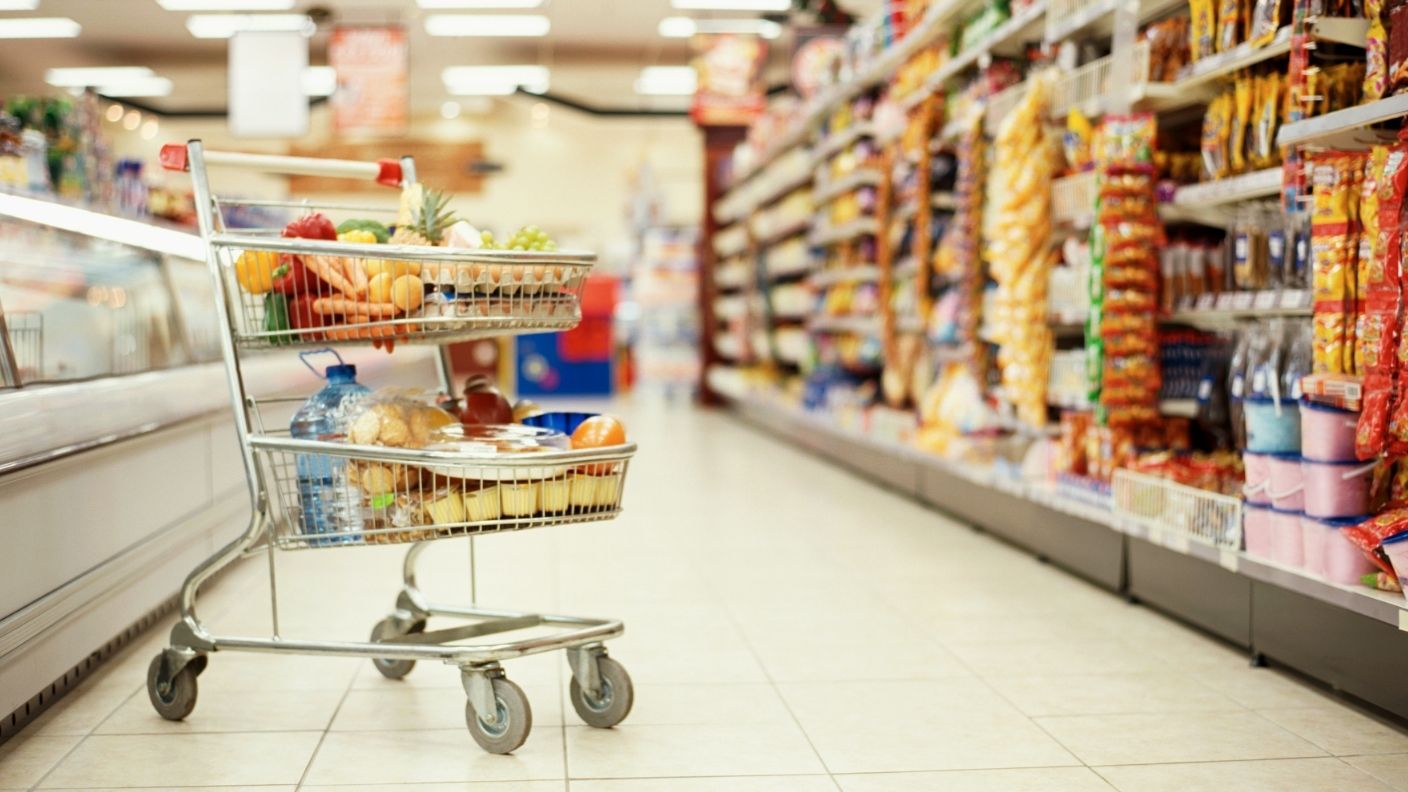

Grocery stores are not arranged randomly, and the specific research behind shelf height and aisle flow goes deeper than most shoppers ever suspect. Every foot of shelf space has actually been measured, tested and assigned based on how much profit it can generate.
Some of the most effective tricks are not even where common wisdom expects them to be. Researchers who study this specifically have found the sweet spot sits in a slightly different place than the phrase eye level is buy level suggests.
None of it requires a shopper to change what they need, just where they end up finding it. Here is how supermarket layout actually shapes what lands in the cart.
Eye Level Is Not Actually Eye Level
The real prime real estate on a shelf sits about 14.7 inches below actual eye level, roughly chest height, according to research cited by Money Digest. That zone and the shelf just above it are where the most expensive, highest margin products tend to live.
Genuine bargains are far more likely to be hiding a shelf or two below that zone. Kids get their own version of the same trick too, with sugary cereal and brightly packaged snacks placed specifically at a child’s eye level rather than an adult’s.
Endcaps Are Not The Bargain They Look Like
Shoppers have been trained for years to treat anything displayed at the end of an aisle as an automatic deal. In reality, brands frequently pay the store a fee just to secure that spot, and the product sitting there is often full price, not discounted at all.
Slotting fees work the same way throughout the rest of the store, not just on endcaps. Brands pay for premium shelf placement in general, which is part of why larger, established brands tend to dominate eye level and endcap space over smaller competitors.
Even The Cart Is Part Of The Layout
Shopping cart size has roughly doubled over the past couple of decades, and that change is not an accident either. A cart that still looks mostly empty after fifty dollars of groceries can quietly nudge shoppers to keep adding items just to fill the visual space.
Unit pricing offers a rare built in defense against these tricks, if shoppers actually stop to read it. The tiny price per ounce printed on the shelf tag often reveals that several smaller packages cost less overall than one large bulk container marketed as the better deal.
Researchers Tested Whether A Healthier Layout Actually Works
One clinical style trial actually tested whether flipping the usual layout could change what people buy. Researchers moved fresh and frozen produce to the front of several discount supermarkets in England and removed candy from checkout lanes and the aisle ends across from them, according to a study published on PMC.
The study tracked both store level sales and individual purchasing data through loyalty cards over several months. It offers real evidence that the same layout tricks used to sell more chips and candy can be pointed in a healthier direction just as effectively.
None of these tricks require an elaborate defense to beat, just a little awareness of where the real bargains tend to hide. Scanning a shelf top to bottom, reading the actual unit price, and grabbing a smaller cart on purpose all go a long way toward shopping on your own terms.
RELATED ARTICLE: Shoppers Can’t Stop Talking About This “Grandma Food” Trend
