


The Alcohol Alternative Taking Over Wellness Culture

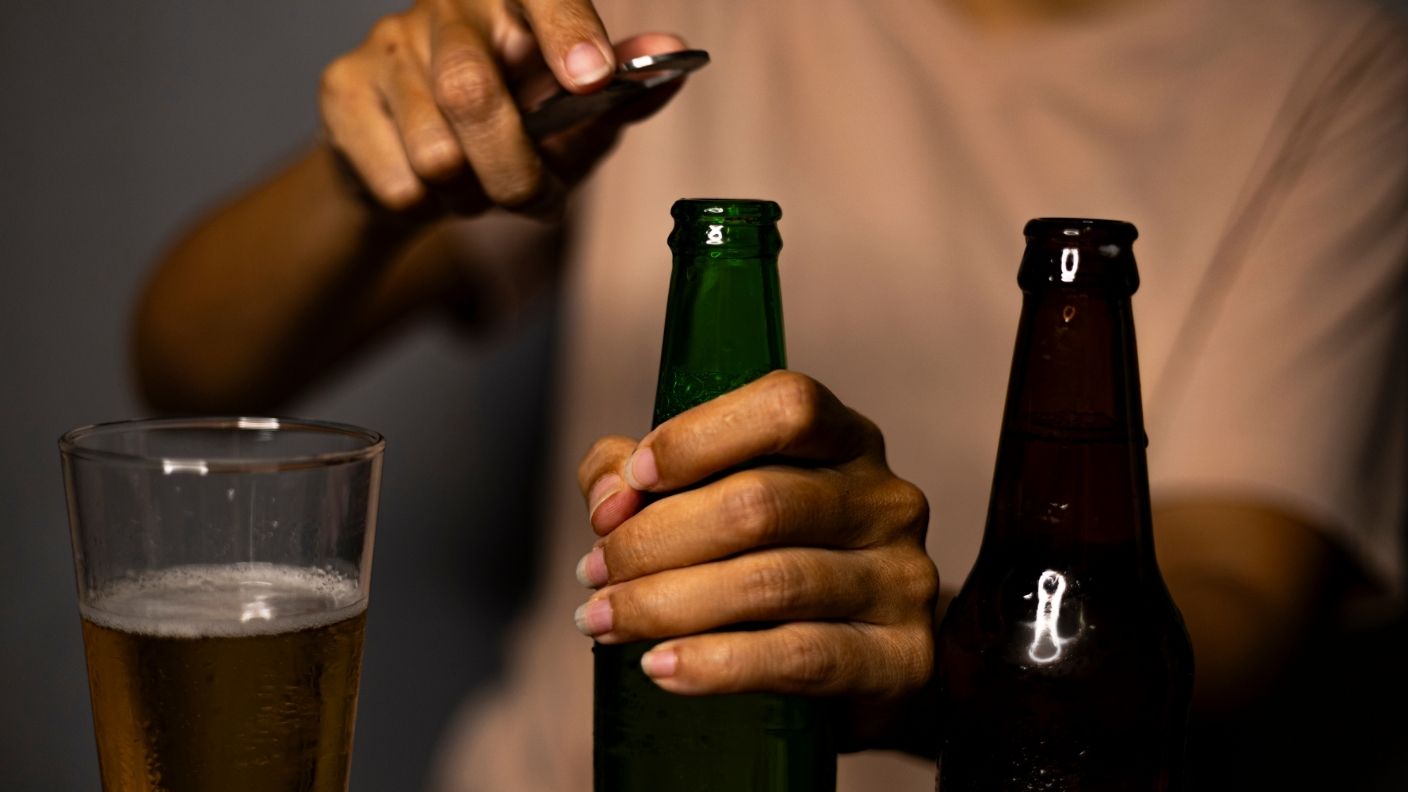

Bars and grocery aisles alike have quietly filled up with something that looks like a cocktail but never touches alcohol. What started as a niche choice for a small group of sober curious drinkers has turned into one of the defining wellness trends of the year.
The shift is not just about skipping a hangover anymore. A new category of drinks has emerged specifically to replace what alcohol used to provide socially, minus the actual alcohol.
None of this is a passing fad confined to one age group or coastal city. Here is the alcohol alternative genuinely reshaping how people drink, and why it has taken off so fast.
The Sober Curious Movement Went Mainstream
Nearly a third of drinkers now say there is room for more mindfulness and moderation in how they drink, according to a report from Datassential. Younger generations are leading the shift, with Gen Z drinking less than any other generation on record.
Cost plays a real role too, not just wellness values. More than two thirds of drinkers agree alcohol has gotten noticeably more expensive, and a meaningful share of people cutting back point directly to price as the reason.
Functional Ingredients Are Doing The Heavy Lifting
What sets this moment apart from earlier non alcoholic trends is the ingredient list. Functional sodas built around probiotics, vitamins and adaptogens now reach 66 percent consumer awareness, according to the same Datassential research, ahead of nearly every other category tested.
Mood boosting beverages built around adaptogens and nootropics have found a similarly enthusiastic audience, marketed specifically to enhance relaxation or energy without any intoxication involved. Hop water and hop tea round things out for anyone missing the bitter, botanical notes of an actual beer.
The Money Behind The Shift Is Real
Adaptogen infused beverages alone now represent more than a 1.6 billion dollar opportunity, up more than 18 percent year over year according to NIQ data. Nearly 3 in 10 Gen Z consumers reported drinking a non THC functional wellness beverage on premise within just the past six months.
Brands have responded by treating these drinks less like a substitute and more like their own category entirely. Botanical spirits, prebiotic sodas and adaptogen laced teas are increasingly designed and marketed as destinations in their own right, not just watered down stand ins for a cocktail.
None of this means alcohol is disappearing from bars or dinner tables anytime soon. It just means the drink sitting next to it on the menu is no longer an afterthought, it is quickly becoming the whole point for a growing number of people.
RELATED ARTICLE: This Wellness Trend Seems to Be Everywhere Right Now
