


Inside the World of People Who Eat Almost Everything Raw


Somewhere out there, a small but committed group of people have not turned on a stove in years, sometimes decades. Their entire diet runs on fruit, vegetables, nuts and seeds, all left completely untouched by heat.
It sounds extreme from the outside, and in some ways it genuinely is. But the people living this way describe it less as deprivation and more as a return to something they consider more natural.
Researchers have started paying closer attention to what actually happens inside the bodies of people who eat this way long term. Here is what life looks like inside the world of committed raw foodists, and what science has found once it finally looked closely.
What Counts As Raw, And What Doesn’t
Raw foodism generally means avoiding anything heated above about 104 to 115 degrees Fahrenheit, the temperature range believed to start breaking down natural enzymes in food. Most versions of the diet lean heavily plant based, built around fresh fruit, vegetables, nuts, seeds and sprouted grains, according to Healthline.
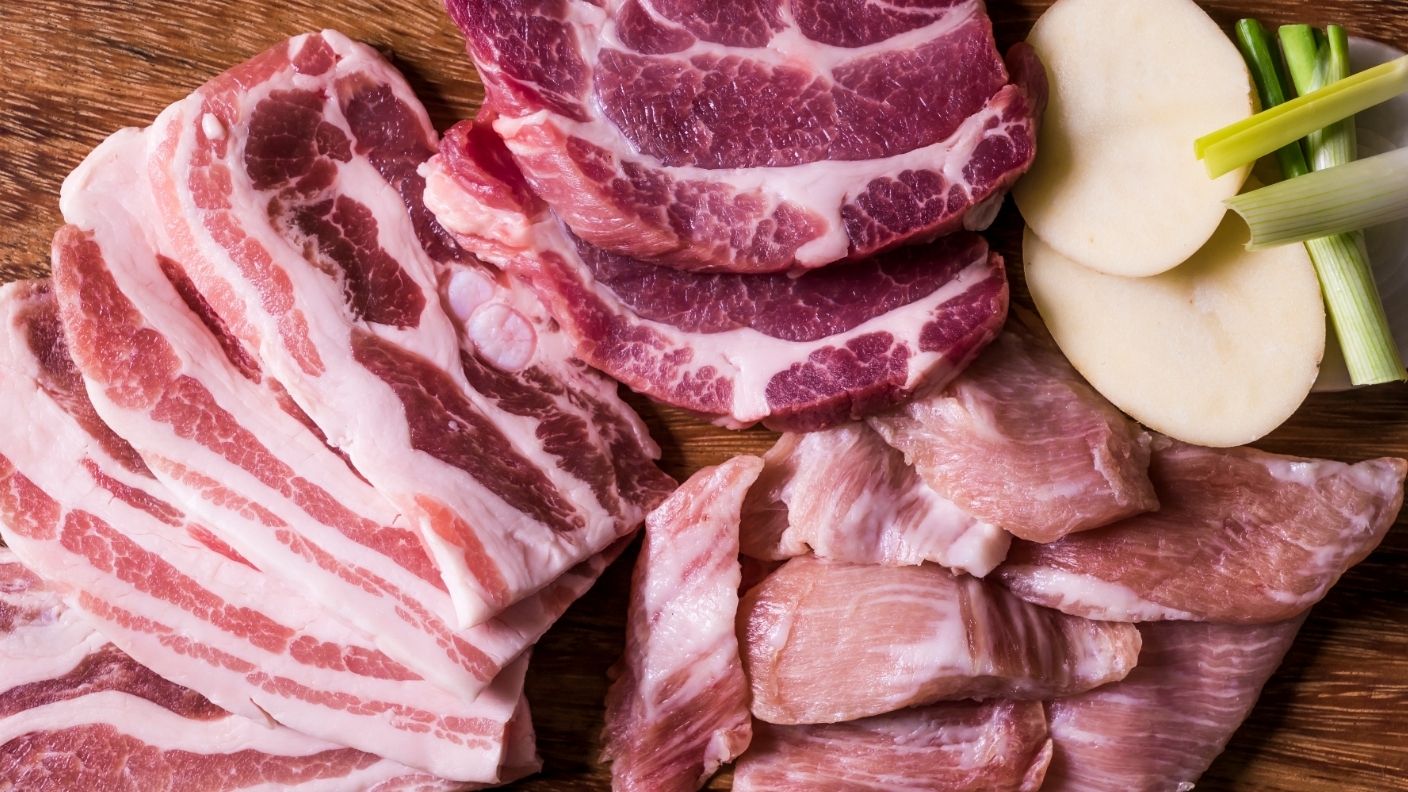
Some stricter followers extend the philosophy to animal products too, eating raw eggs, raw dairy or even raw fish and meat. Others stay entirely plant based, treating any cooking at all, even a light steam, as a step too far.
Why People Actually Choose This Life
For photographer Garren Rimondi, the choice traces back to a childhood cancer diagnosis and a body that seemed to reject conventional food afterward. He has described the shift toward raw eating as something that followed naturally once his own system pushed him in that direction, according to Gulfshore Life.
Other longtime raw eaters describe a slower, more experimental path, often starting after a period of feeling generally run down or unwell. A German clinical study following 16 strict raw food eaters found participants had stuck with the diet for an average of more than 11 years, with some going nearly three decades.
What The Science Says About The Tradeoffs
That same German study, conducted by researchers at the Federal Institute for Risk Assessment in Berlin, measured actual blood work and nutritional intake rather than relying on self reported feelings. The findings showed real tradeoffs alongside the benefits people typically report.
Not everyone thrives on the approach either. One person who tried a strict raw vegan diet described developing constant fatigue, headaches and worsening allergies, concluding that cutting out all animal protein and cooked food went too far for his own body, according to an account published on Paleo Leap.
Nutrition experts generally caution that a raw diet can fall short on calories, vitamin B12, iron and protein if it is not planned carefully. For most people considering the shift, a doctor or dietitian’s input tends to matter far more than any online success story.
Raw foodism is not really one single diet so much as a spectrum of personal experiments, ranging from mostly raw to almost entirely raw. Whether it works tends to come down to the same thing that decides almost every diet’s success, how carefully it actually gets planned.
RELATED ARTICLE: The Food Rules That Sound Crazy—But Actually Make Sense
