


The Grocery Store Tricks Designed to Make You Buy More

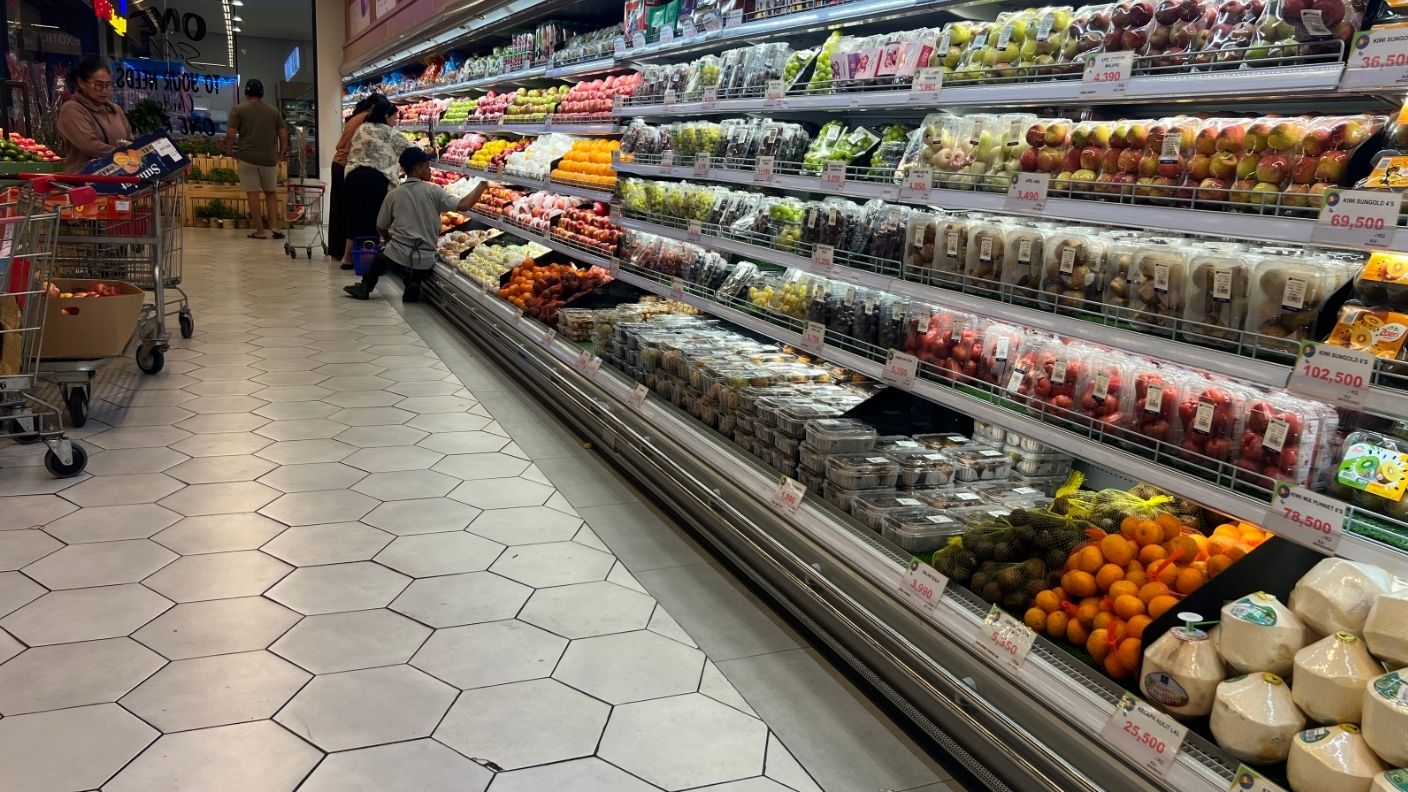

Nobody wanders into a grocery store parking lot planning to spend more than they intended, yet almost everyone does anyway. That is not really a willpower problem. Supermarkets are laid out by people who study exactly how shoppers move, look and decide, and very little of it is left to chance.
A handful of specific tactics do most of the heavy lifting. Here is what is actually happening between the entrance and the checkout line.
Milk and Eggs Are Never Near the Door
Staples like milk, eggs and butter almost always sit at the very back of the store, forcing a walk past dozens of aisles and displays just to grab the basics. That is not a layout accident, it is a deliberate design meant to maximize exposure to everything else along the way.
Produce sections tend to sit right at the entrance for a similar reason, since starting a trip surrounded by fresh, colorful food puts most shoppers in a more generous mood before they ever reach the processed aisles.
Eye Level Really Is Buy Level
Shelf placement is not random either. Products positioned at eye level sell dramatically better than identical items placed higher or lower, and end cap displays at the tips of each aisle sell roughly eight times faster than the same product shelved inside the aisle itself.
Generic and store brand versions usually end up on the bottom shelves instead, requiring an actual crouch to find them. One analysis found that the vast majority of products placed in these prime spots skew toward ultra processed food, with barely any fruits or vegetables represented at all.
Even the Shopping Cart Is Working Against You
The standard shopping cart has roughly doubled in size over the past couple of decades, and that change is not about convenience. A half full cart of groceries looks noticeably empty inside a much bigger frame, which quietly nudges shoppers to keep adding items until the cart looks appropriately full.
Swapping a full sized cart for a hand basket is one of the simplest ways to short circuit that effect. A smaller container makes the same amount of groceries look and feel like plenty.
None of these tactics require anything sneaky in the legal sense, just a very well studied understanding of how people move through a physical space. Sticking to a list and glancing above and below eye level is still the easiest way to shop around most of it.
RELATED ARTICLE: Doctors Are Surprised This $6 Grocery Item Outperforms Most Anti-Aging Creams
