


The Hidden Reason Your Favorite Snacks Are So Addictive

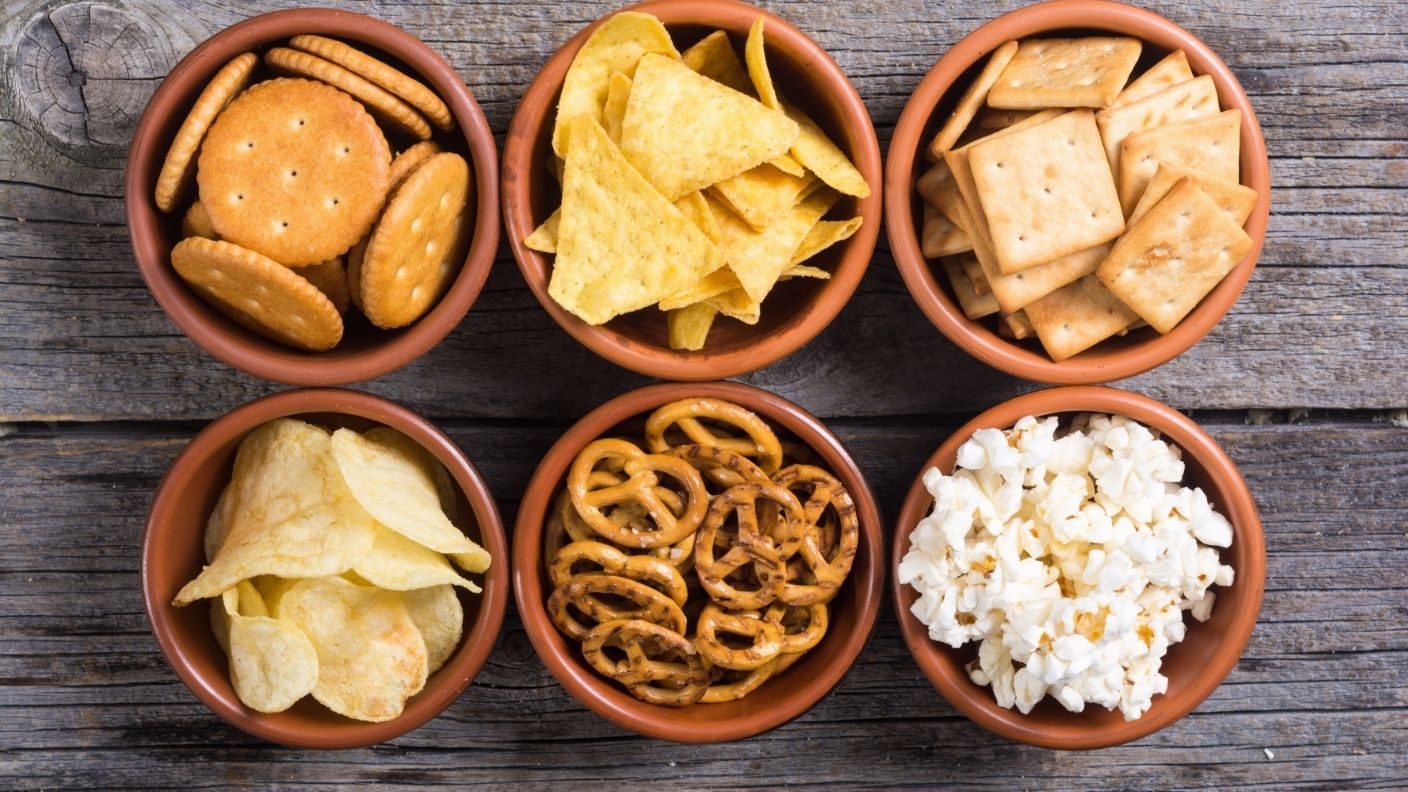

Finishing an entire bag of chips without really noticing rarely feels like an accident, because in a lot of cases it is not one. Food companies spend serious money making sure certain snacks are almost impossible to stop eating, and the science behind it goes a lot deeper than just good flavor.
The techniques involved sound more like a chemistry lab than a kitchen. Here is what is actually happening behind the packaging.
The Exact Ratio Food Scientists Are Chasing
The concept even has a name inside the industry, the bliss point, first coined by a market researcher named Howard Moskowitz decades ago. It refers to the precise ratio of sugar, salt and fat that triggers the strongest possible reward response without tipping into overwhelming.
Reaching that ratio is not guesswork, since companies test hundreds of slightly different formulas on consumer panels before settling on a final recipe. The goal is not really about taste on its own, it is about repeat purchases.
Texture Plays a Bigger Role Than Flavor
Flavor gets most of the credit, but the physical structure of a snack matters just as much. Foods engineered with what researchers call vanishing caloric density are built to dissolve almost instantly in the mouth, which makes it harder for the brain to register how much has actually been eaten.
That mismatch between how full a stomach actually is and how full the brain thinks it is can lead to eating well past the point of real hunger. Puffed cheese snacks are one of the most commonly cited examples of this effect in action.
The Brain Science Is More Complicated Than It Sounds
Highly palatable food does activate the brain’s dopamine reward system in a way that overlaps with how addictive substances work, at least in some studies. But a 2024 imaging study complicated that picture, finding that an ultra-processed milkshake did not reliably trigger the expected dopamine response across every participant tested.
Researchers using a scale designed to measure addictive eating patterns still estimate that somewhere between fifteen and twenty percent of adults meet the criteria associated with food addiction. The science is real, it is just messier than the simple dopamine story that usually gets repeated.
An Industry Playbook Borrowed From an Unexpected Source
Some of the expertise behind modern snack engineering did not originate in food companies at all. Reporting has traced part of that approach back to tobacco executives who had spent decades studying consumer behavior and product chemistry before shifting into the food industry.
The overlap explains why some of the same design principles used to keep smokers coming back for another cigarette also show up in how a bag of chips gets formulated. The goal in both industries was never really about the product itself, it was about repeat consumption.
None of this means every snack is secretly dangerous or that willpower alone is the problem. It just means the deck is more deliberately stacked than most people walking down the chip aisle realize.
RELATED ARTICLE: 7 Healthy Snacks for Late-Night Cravings
