


The Foods That Look Innocent but Are Surprisingly Controversial


Some foods spark debate for obvious reasons, like durian or blue cheese, foods that announce their controversy from a mile away. Others look completely harmless sitting in the pantry, yet somehow keep ending up at the center of heated arguments among scientists, regulators and wellness influencers alike.
A few of the most ordinary items in the kitchen turn out to have surprisingly loud debates attached to them. Here is what is actually going on.
The Cooking Oil Everyone Suddenly Has an Opinion On
Seed oils like canola, sunflower and soybean sat quietly in most kitchens for decades before becoming a lightning rod online. A growing wellness movement claims they drive everything from inflammation to chronic disease, while most mainstream nutrition researchers say the opposite is closer to true.
Even a sitting U.S. health official has publicly criticized them, adding a political dimension most people never expected from a bottle of cooking oil. The clinical research so far has not found the harm the loudest critics describe, though the debate shows no sign of cooling off.
The Milk That Split Into Two Camps
Raw milk has quietly built a devoted following among people convinced it carries benefits that pasteurization destroys. Health agencies continue warning that unpasteurized milk carries a real risk of dangerous bacteria, a warning the raw milk crowd tends to wave off.
Advocates point to potential probiotic benefits and easier digestion for people with lactose sensitivity. Regulators point to outbreaks tied to contaminated batches, and neither side has fully budged.
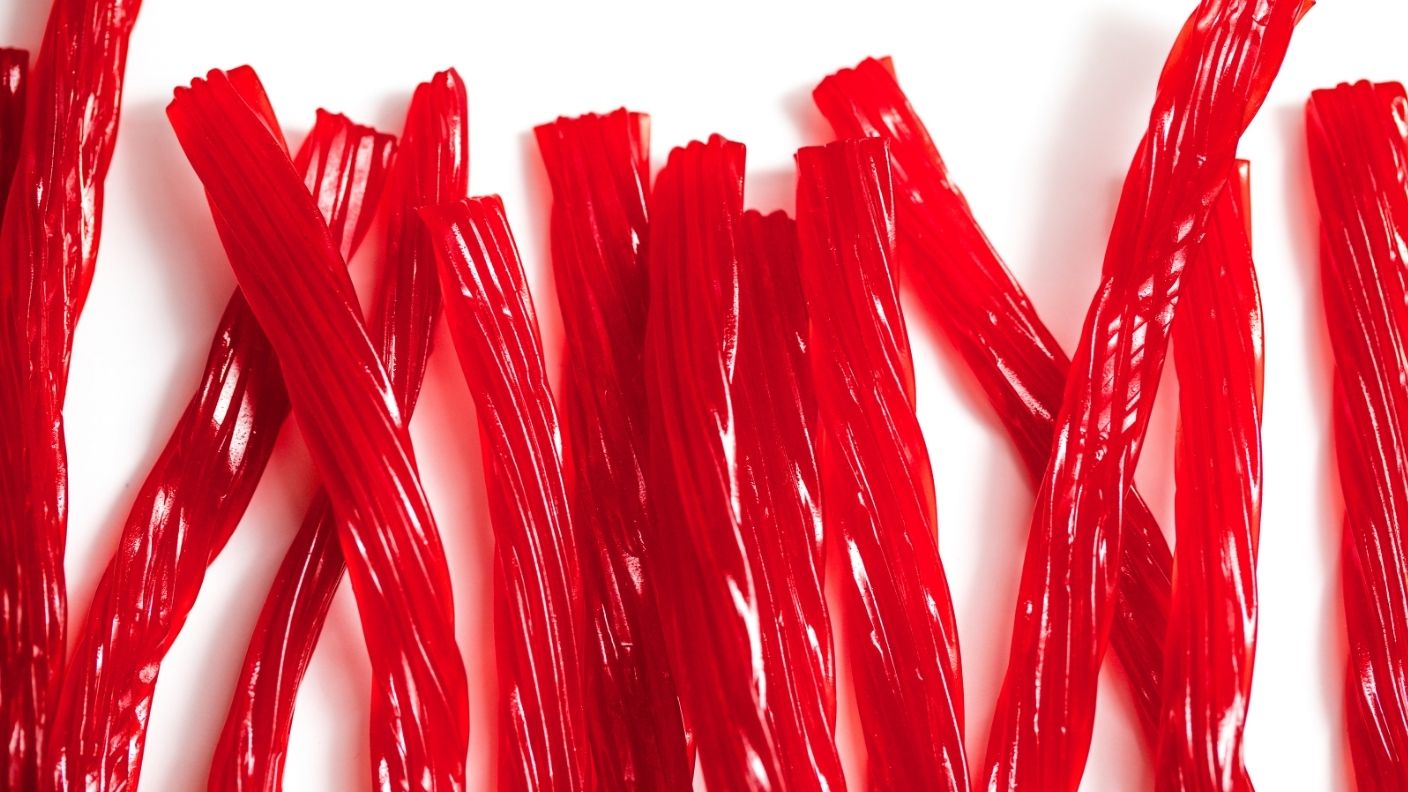
The Bright Red Coloring With an FDA Paper Trail
Red food dyes, especially Red 3 and Red 40, have been linked to hyperactivity concerns and cancer worries for years, though the evidence has been mixed. The FDA eventually banned Red No. 3 after a petition citing a cancer link found only in high dose rat studies, not in humans.
That distinction gets lost in most headlines, which tend to treat the ban as proof the dye is dangerous at any dose. Most nutrition experts land somewhere in the middle, suggesting moderation rather than panic.
None of these fights are likely to get fully resolved anytime soon, since so much of the disagreement comes down to how people weigh long term research against gut instinct. The safest bet with any of them is probably moderation, and maybe reading past the headline before picking a side.
RELATED ARTICLE: Olive Oil vs. Butter for Cooking — Here’s What Actually Matters
