


The Vitamins and Minerals Most Adults Don’t Get Enough Of

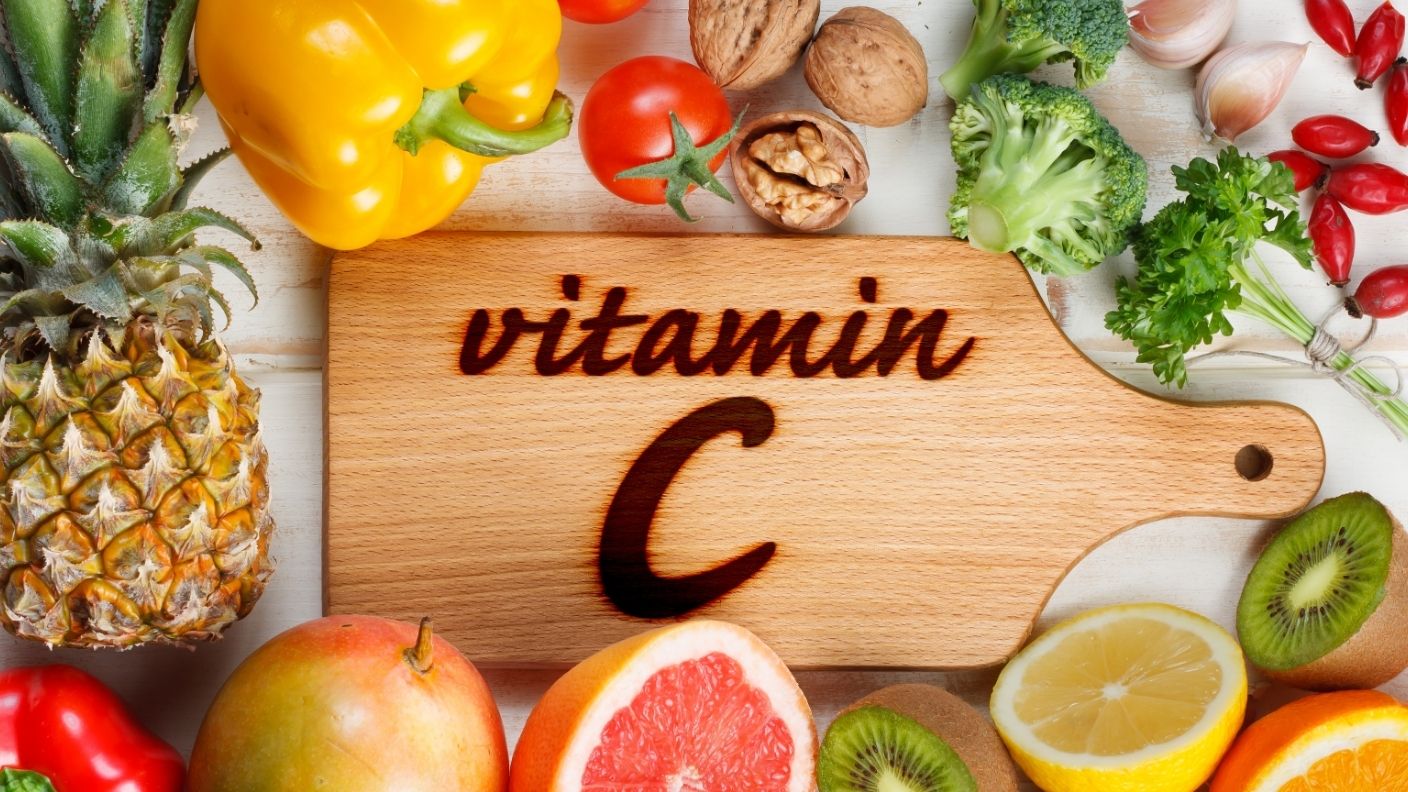

Eating a reasonably balanced diet still doesn’t guarantee your body is getting everything it needs. Even people who consider themselves healthy eaters tend to come up short on a handful of specific nutrients, year after year.
Federal dietary data has actually flagged this as a real public health issue, not just an internet wellness talking point. A handful of nutrients show up on that list again and again, regardless of income or education level.
Here’s what the research says is missing from most people’s plates, and where to actually find it.
Vitamin D
Vitamin D is genuinely hard to get from food alone, since only a small handful of items like fatty fish naturally contain much of it. Most of the supply is supposed to come from sunlight hitting your skin, which plenty of people simply don’t get enough of.
Federal guidelines have flagged it as a nutrient of public health concern because so many people fall short. Getting outside for a short stretch a few times a week, alongside fortified milk or fatty fish, tends to close most of the gap.
Potassium
Potassium rarely gets talked about the way sodium does, but running low on it is far more common than most people realize. It plays a direct role in blood pressure regulation, which is part of why the shortfall matters.
Survey data has found that fewer than three percent of adults actually meet the recommended intake for potassium. Bananas get all the credit, but foods like potatoes, beans and leafy greens actually contain even more per serving.
Magnesium
Magnesium supports hundreds of processes in the body, from muscle function to regulating blood sugar, yet it’s another nutrient that consistently comes in under target. Refined grains and processed foods, which make up a large share of the average diet, have had most of their natural magnesium stripped out.
It’s officially listed as underconsumed in national dietary data, right alongside calcium and potassium. Nuts, whole grains and leafy greens are some of the easiest ways to bring levels back up without much extra effort.
Choline
Choline barely gets mentioned compared to more famous nutrients, despite playing a major role in liver, brain and muscle function. Part of the problem is that very few foods contain much of it outside of eggs and organ meats.
“It’s rare to be in a state of total deficiency,” registered dietitian Julia Zumpano told Cleveland Clinic. She explained that the body does produce a small amount of choline on its own, but most people still don’t get enough through food alone.
None of this means overhauling your entire diet or stocking up on supplements just in case. Sometimes closing the gap is as simple as eating the egg yolk, taking a short walk outside, or reaching for beans instead of white rice a little more often.
RELATED ARTICLE: #1 Vitamin Deficiency Many Adults Over 50 Don’t Realize They Have
