


Foods That May Help Protect Your Memory


Memory does not run on willpower alone, it runs on fuel, and researchers have spent decades tracking which fuel actually works. A handful of everyday foods keep showing up across very different studies, often with surprisingly specific numbers attached.
None of them promise to prevent memory loss outright, and no single food acts like a magic pill. But the pattern across the research is consistent enough that scientists keep coming back to the same short list.
Some of the findings are genuinely striking, tying specific foods to real years of difference in cognitive aging. Here is what the research actually shows about eating for a sharper memory.
Berries And Leafy Greens Lead The Pack
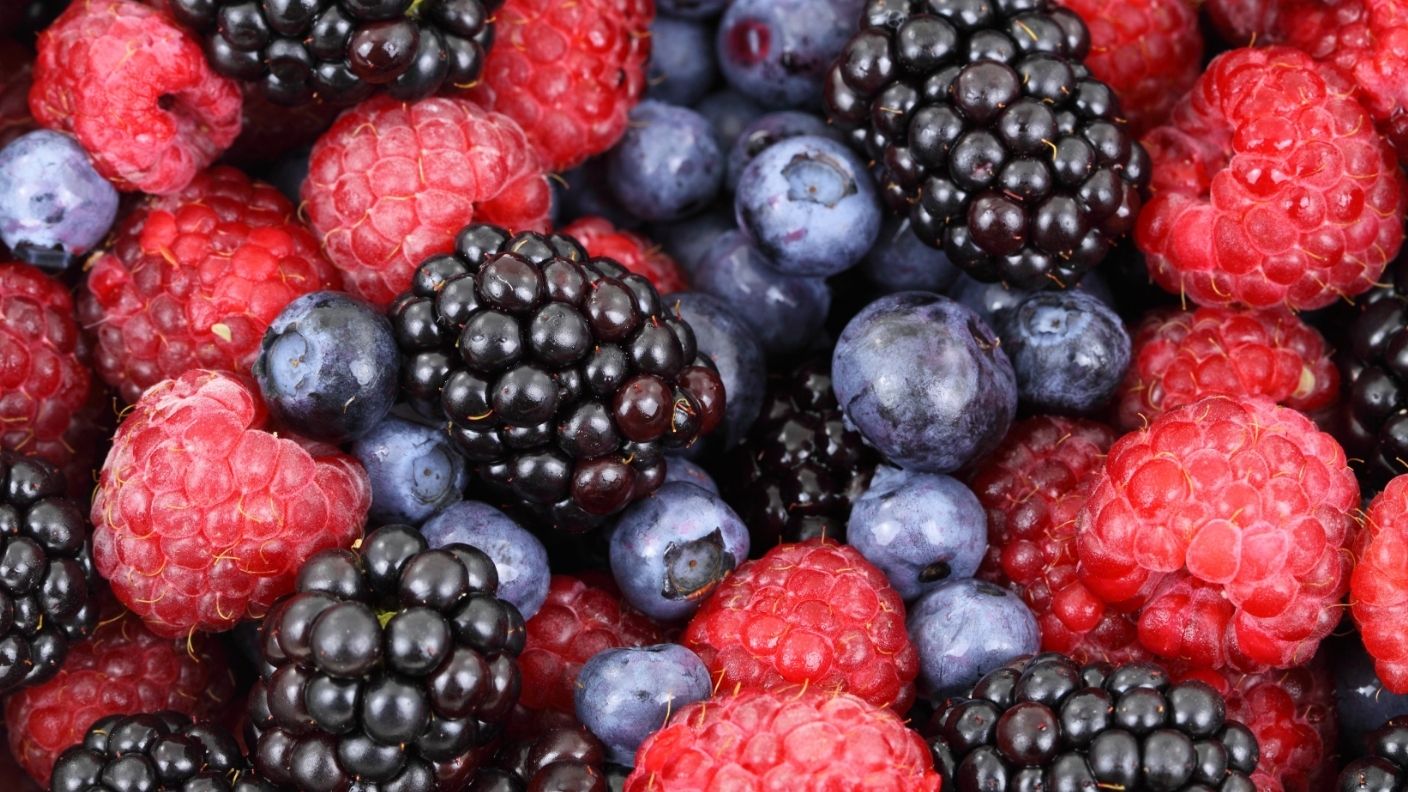
A Harvard study following more than 16,000 women found that those who ate more blueberries and strawberries experienced slower cognitive aging, by as much as two and a half years compared to those who rarely ate them. Researchers pointed to anthocyanins, the antioxidant compounds that give berries their deep color, as a likely driver.
Leafy greens show an even more specific result. Older adults who regularly ate leafy greens over a five year study scored on memory and thinking tests as though their brains were roughly eleven years younger than people who rarely ate them.
Cleveland Clinic neurologist Dr. Bashar Tousi points to inflammation as a likely reason why. Both food groups deliver antioxidants and compounds that help calm the kind of chronic inflammation researchers believe contributes to cognitive decline over time.
Fatty Fish And The Omega Connection
Fatty fish like salmon, trout and mackerel carry some of the highest natural levels of omega 3 fatty acids found in food. Eating them once or twice a week has been shown to measurably improve memory function over time, according to Mayo Clinic Health System.
Walnuts tell a similar story on the plant side. A UCLA study linked higher walnut consumption to improved scores on cognitive testing, likely tied to their high levels of alpha linolenic acid, a plant based version of the same fat.
The common thread across fish and walnuts is the same nutrient family showing up in two very different food forms. Omega 3s appear to support the actual structure of brain cells, not just general health in a vague sense.
Nuts, Olive Oil And The Bigger Pattern
Individual foods matter less than most headlines suggest, according to nutrition researchers who study this area closely. Lida Araghi, a nutrition specialist with the University of Arkansas, stresses focusing on an overall eating pattern rather than chasing a single superfood.
That pattern usually looks like the MIND diet, a hybrid of the Mediterranean and DASH diets built specifically around brain health. It leans on vegetables, berries, whole grains, nuts and olive oil, while limiting red meat and fried food.
None of these foods work like medication, and no diet has been shown to guarantee protection against memory loss. But the overlap across so many independent studies makes a fairly convincing case for keeping these foods on the plate regularly.
Memory protection was never going to come down to one miracle ingredient, and the research backs that up clearly. A plate built around berries, greens, fish and nuts seems to be about as close to a real answer as nutrition science currently offers.
RELATED ARTICLE: Foods That May Help You Live Longer, According to Research
