


You’re Probably Missing This Key Mediterranean Diet Staple

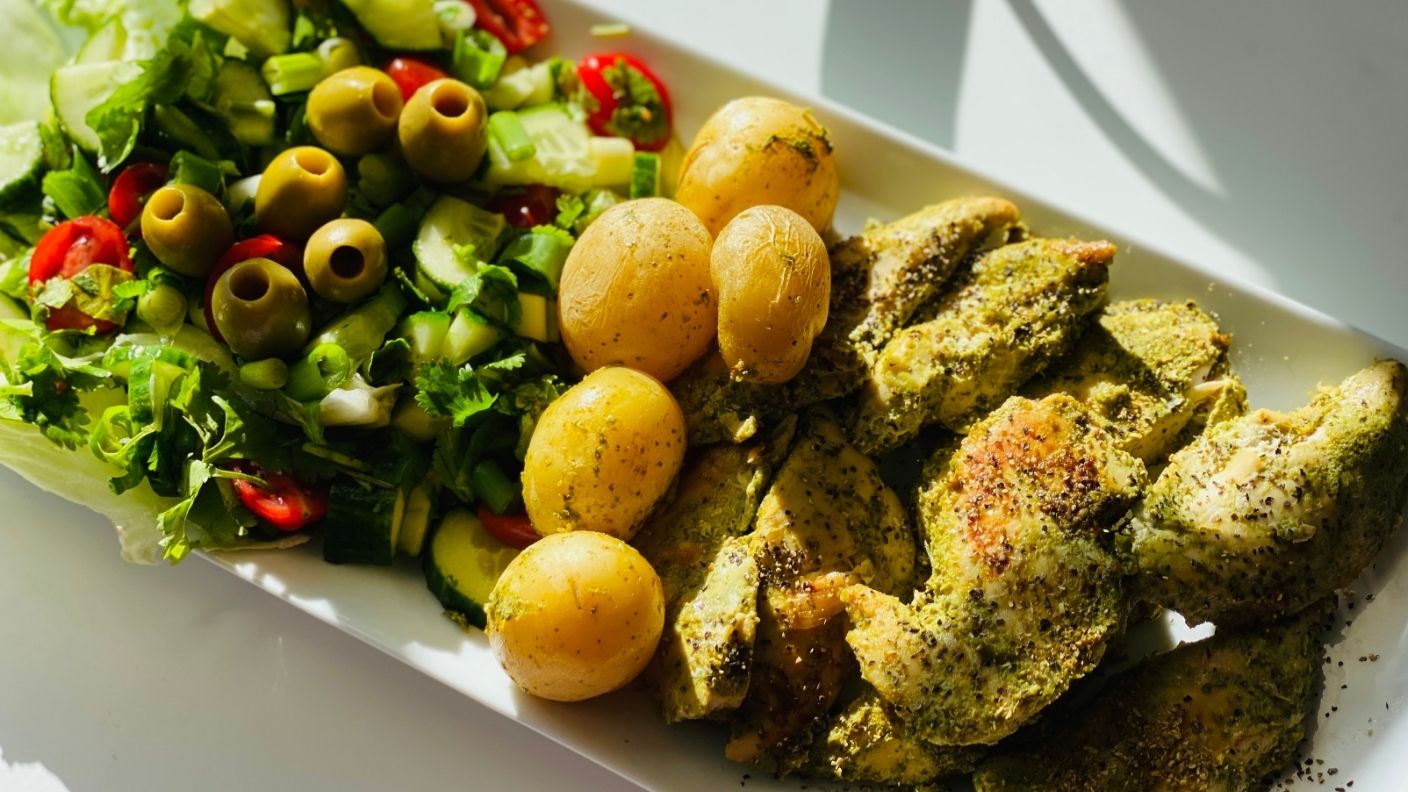

Most people think they have the Mediterranean diet figured out. Olive oil, check. Fish a couple of times a week, check. A handful of nuts here, some tomatoes there.
But nutritionists and researchers keep pointing to the same glaring gap in how people outside the Mediterranean actually eat this way, and it has nothing to do with any of those things. The answer is sitting in your spice cabinet, largely ignored.
The Ingredient Everyone Overlooks
Herbs and spices are so essential to Mediterranean cuisine that they hold a dedicated place in the Mediterranean food guide pyramid, right alongside olive oil, vegetables, and legumes.
And yet, when most people in other countries adopt this way of eating, they focus on the big-ticket items and completely skip the daily, generous use of fresh and dried herbs.
Researchers have noted that herbs and spices may play an equally important role in the health outcomes of the Mediterranean diet as the more celebrated components like low saturated fat and high vegetable intake. The science on this is only getting stronger.
What Herbs Actually Do in the Body
This is not about flavor. Well, it is partly about flavor, but the health case is genuinely compelling. Oregano, rosemary, parsley, and garlic are not garnishes in the traditional Mediterranean diet. They are anti-inflammatory agents that have been used daily for centuries, replacing salt and heavy sauces with compounds that affect how the body ages.
Garlic in particular has powerful medicinal properties that are anti-inflammatory, cardioprotective, and immune-boosting, and has been studied extensively for its ability to lower blood pressure and help manage cholesterol levels.
Oregano Is More Than a Pizza Topping
The most underused herb in the Western kitchen is probably oregano, and Mediterranean cooks would find that baffling. Oregano is rich in antioxidants and has antibacterial properties, adding both depth and nutritional value to everything from Greek salads to slow-cooked stews.
A 2024 study found that oregano essential oil was effective against two of the most common and problematic bacteria, Staphylococcus aureus and E. coli. In traditional Mediterranean cooking, it goes into nearly everything, not just pasta sauce.
The Eye Health Angle Nobody Talks About
Here is where it gets genuinely surprising. A recent review published in the NIH found that herbs including thyme, oregano, sage, rosemary, and bay laurel may help protect the retina from oxidative damage caused by blue light, the kind emitted constantly by phones and computer screens.
For anyone spending most of their day staring at a screen, that is an unexpectedly practical reason to reach for the herb jar more often.
How to Actually Use Them
The approach is simpler than it sounds. Tossing vegetables in olive oil with rosemary, thyme, or oregano before roasting is one of the easiest ways in.
Fresh parsley stirred into grains, garlic worked into marinades, and herb bundles simmered into soups are all deeply traditional moves that most home cooks simply skip.
Herbs and spices also act as one of the most powerful substitutes for salt in cooking, reducing sodium intake without sacrificing any of the flavor that makes food satisfying to eat.
The Mediterranean diet has been studied for decades and celebrated even longer, but the version most people practice at home is a fairly stripped-down interpretation. The real thing smells like garlic, oregano, and rosemary from the moment it hits the pan.
Add those in generously, every single day, and you might be a lot closer to the original than you think.
RELATED ARTICLE: The Secret to Making Vegetables Taste Amazing the Mediterranean Way
