


Protein Bars vs Hard-Boiled Eggs: The Snack Battle No One Can Ignore

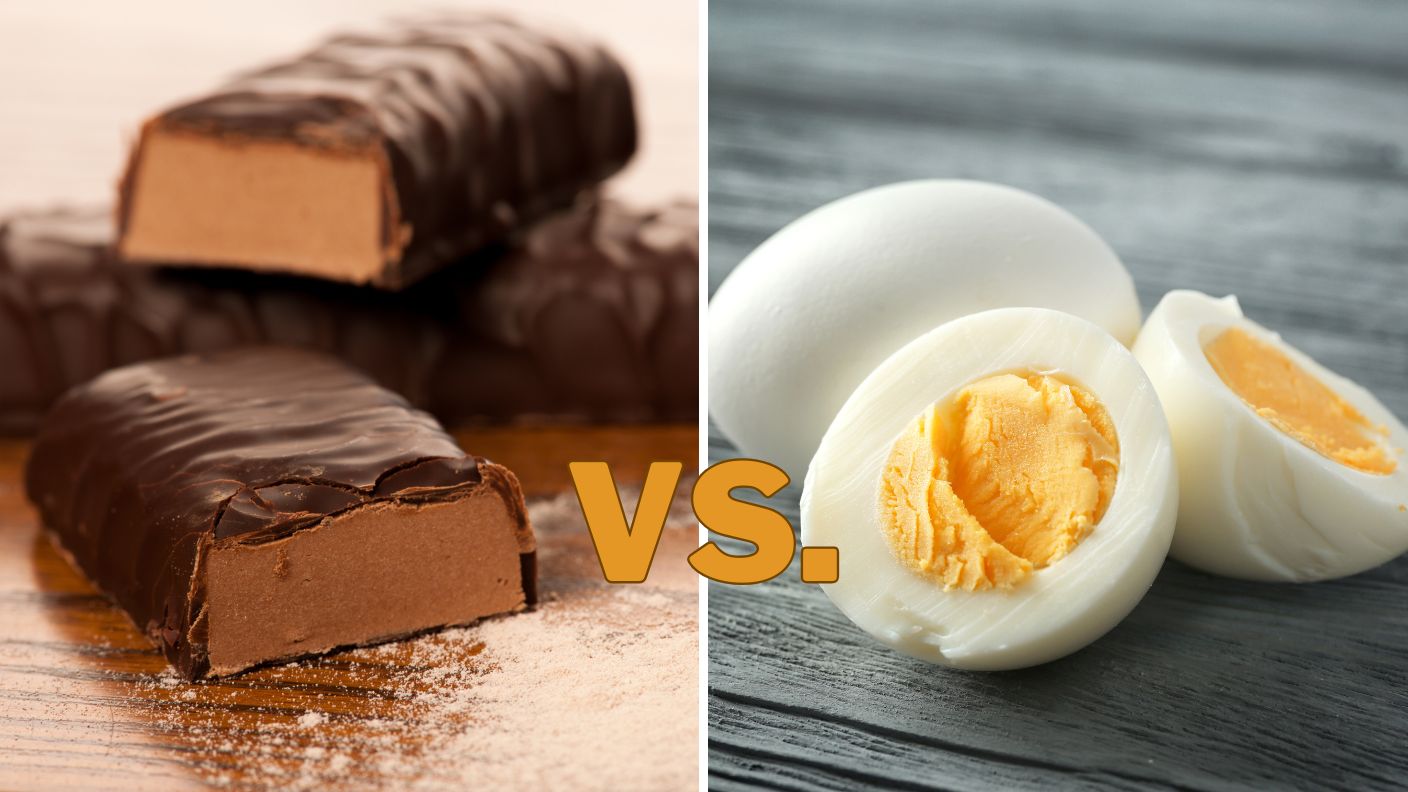

Millions of people reach for a protein bar every single day without thinking twice. It is convenient, it is labeled as high-protein, and it fits easily into a busy routine.
In the same fridge that holds milk and leftovers, there is another common snack that offers a very different nutritional profile, built from a single ingredient rather than a long list of additives.
The contrast between these two options comes down to more than just protein content, and what they bring to the body goes beyond what most packaging suggests.
What Is Actually Inside That Protein Bar
The protein count on the wrapper is real. What is also real is everything else that comes with it.
A registered dietitian at the Cleveland Clinic told the Boston Globe that many top-selling protein bars contain emulsifiers, synthetic preservatives, and artificial sweeteners like erythritol and sucralose, several of which have been linked to gut inflammation and heightened cardiovascular risk. Some popular bars carry over 50 total ingredients, a detail that does not show up on the front of the package.
A 2025 study found that people eating diets heavy in ultra-processed foods consumed more overall compared to those eating whole foods with a similar macronutrient profile. The Environmental Working Group has also noted that ultra-processed foods like many protein bars have been linked to obesity, certain cancers, and cardiovascular disease.
The bar might say 20 grams of protein. But the ingredient list tells a different story.
What a Hard-Boiled Egg Is Quietly Doing
One large hard-boiled egg delivers six grams of complete protein containing all nine essential amino acids, with zero added sugar, zero artificial sweeteners, and zero ingredients you cannot pronounce.
The yolk is where things get genuinely impressive. WebMD notes that hard-boiled eggs are the top source of choline in the American diet, a nutrient most people are chronically deficient in that supports brain development, memory, liver function, and cellular health. One egg delivers 27 percent of the daily recommended value of choline in a single snack.
Eggs also carry vitamins D, A, B2, B12, selenium, and the antioxidants lutein and zeaxanthin, nutrients that protect eye health and reduce inflammation. No protein bar delivers that range in two ingredients.
The Satiety Comparison Is Not Even Close
Research from the Journal of the American College of Nutrition found that protein-rich foods like eggs increase satiety, slightly raise calorie burn during digestion, and help preserve lean muscle during a calorie deficit. One study found that an egg-based snack caused people to eat 270 to 470 fewer calories at their next meal.
A protein bar, by contrast, often comes loaded with sugar alcohols and fast-digesting refined ingredients that spike and crash energy rather than sustaining it. Dietitians recommend looking for bars with less than six grams of added sugar and a short, recognizable ingredient list, because most bars on shelves do not come close to meeting that standard.
So When Does Each One Actually Win
Hard-boiled eggs win on nutrition density, ingredient purity, satiety, and cost, with no real competition. A dozen eggs costs a few dollars and lasts a week in the fridge.
Protein bars win on one thing only: convenience when there is genuinely no fridge within reach. And even then, dietitians recommend bars made from whole foods like dates, egg whites, nuts, and dried fruit, rather than bars built around isolates, syrups, and sweeteners.
The protein bar industry has done an extraordinary job of convincing people that eating well on the go requires a wrapper and a barcode. The humble hard-boiled egg has been quietly proving otherwise for centuries, and the research keeps siding with it.
RELATED ARTICLE: Easy Sunday Desserts That Feel Way Fancier Than They Are
