


TikTok Wellness Trends vs Old-School Advice—What Women Over 50 Trust More

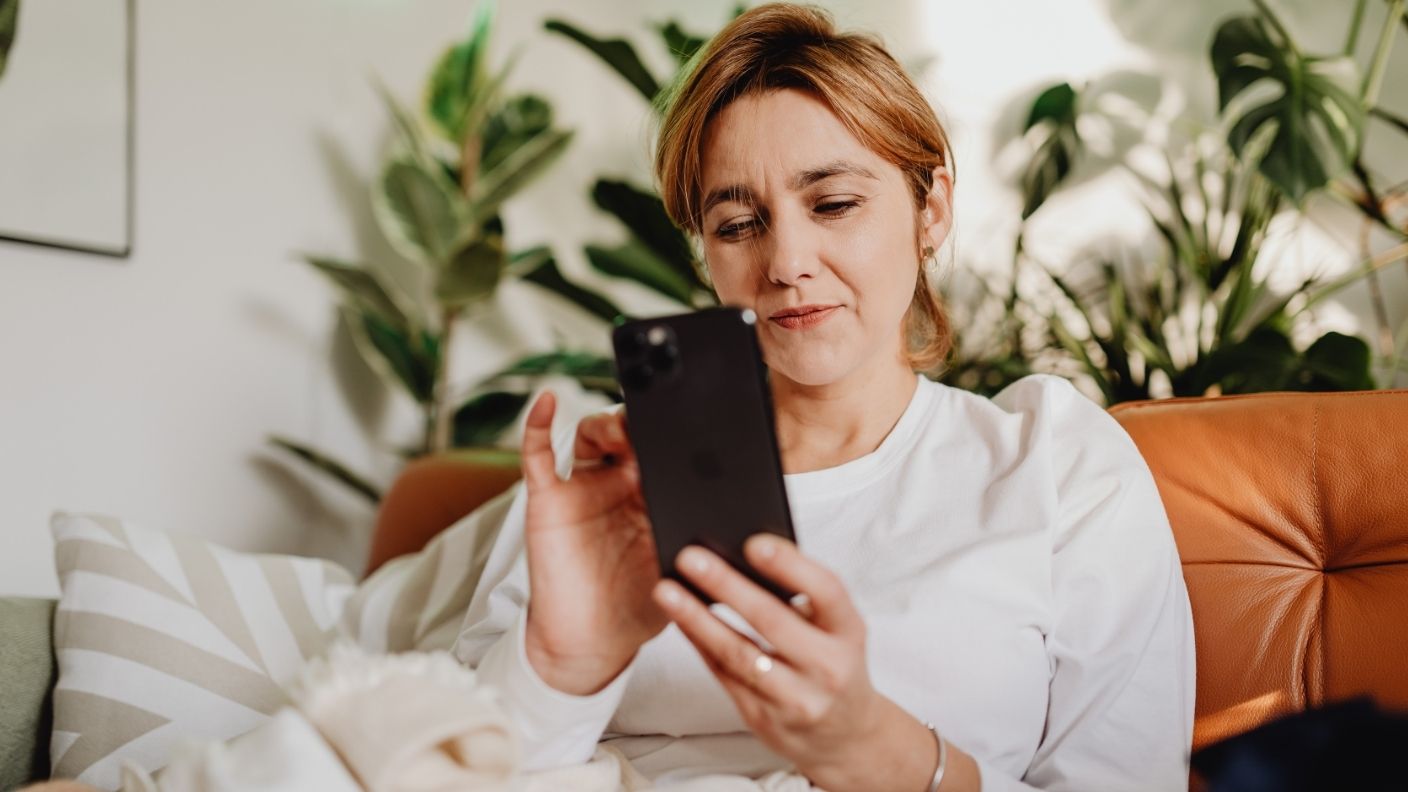

The wellness world has never been louder, or more confusing. In one corner you have your doctor, your mother’s kitchen wisdom, and decades of clinical research. In the other, a 45-second video from someone with a ring light and a very confident tone telling you that seed cycling will fix your hormones.
So who is winning the trust of women navigating midlife health? The answer is more complicated than you might think.
The Social Media Takeover
Health content has exploded on TikTok, and the numbers are hard to ignore. Four in ten U.S. adults now get health and wellness information from social media influencers or podcasts, according to a Pew Research Center survey conducted in 2025.
The pull toward social media is real, but so is the skepticism. About 77% of consumers say they are concerned about misleading health claims in supplements, even as the supplement market keeps growing.
Doctors Still Lead, But the Gap Is Narrowing
Here is what the data actually shows. A Pew Research survey of more than 5,000 U.S. adults found that 85% still get health information from doctors or medical professionals, making healthcare providers the single most trusted source by a wide margin.
But the gap is narrowing fast among younger demographics. Half of U.S. adults under 50 now say they get health and wellness information from social media influencers or podcasts, compared to far fewer of those over 50.
What Women Over 50 Actually Want
Research suggests that women in midlife are approaching health information with a sharper filter than younger generations. Adults over 50 are less likely than younger peers to say social media health information feels accurate or easy to understand.
What they prioritize instead reads more like a checklist for old-school credibility. Three-quarters of Americans say it is extremely or very important that health information comes from someone with relevant medical training, and that the source is transparent about conflicts of interest.
The Problem With TikTok Wellness
The appeal of TikTok health content is obvious: it is fast, relatable, and free. But only 50% of TikTok health content is actually evidence-based, according to researchers who have studied the platform’s wellness ecosystem.
Products like chlorophyll drops and so-called “natural Ozempic” alternatives have racked up hundreds of millions of views despite lacking scientific support for the claims being made about them.
Where TikTok Is Actually Getting It Right
It would be unfair to write off social media entirely. Some trends that went viral have genuine science behind them, and TikTok has brought serious attention to long-ignored topics like perimenopause, magnesium deficiency, and the gut-skin connection.
When wellness content comes from licensed professionals such as registered dietitians, gynecologists, or board-certified doctors, it can be genuinely useful, even lifesaving. The platform matters less than the person behind the camera.
The Smartest Move Is Using Both
The women navigating midlife health most successfully seem to be doing something nuanced: treating TikTok as a starting point and their doctor as the final word. Experts recommend cross-checking anything seen on social media with trusted clinical sources like the Mayo Clinic or a board-certified specialist before acting on it.
The real divide is not between old-school and new-school. It is between information that is convenient and information that is accurate, and the women who know the difference are the ones asking the better questions.
