

Potatoes vs Rice: Which Will Make You Feel Full Longer

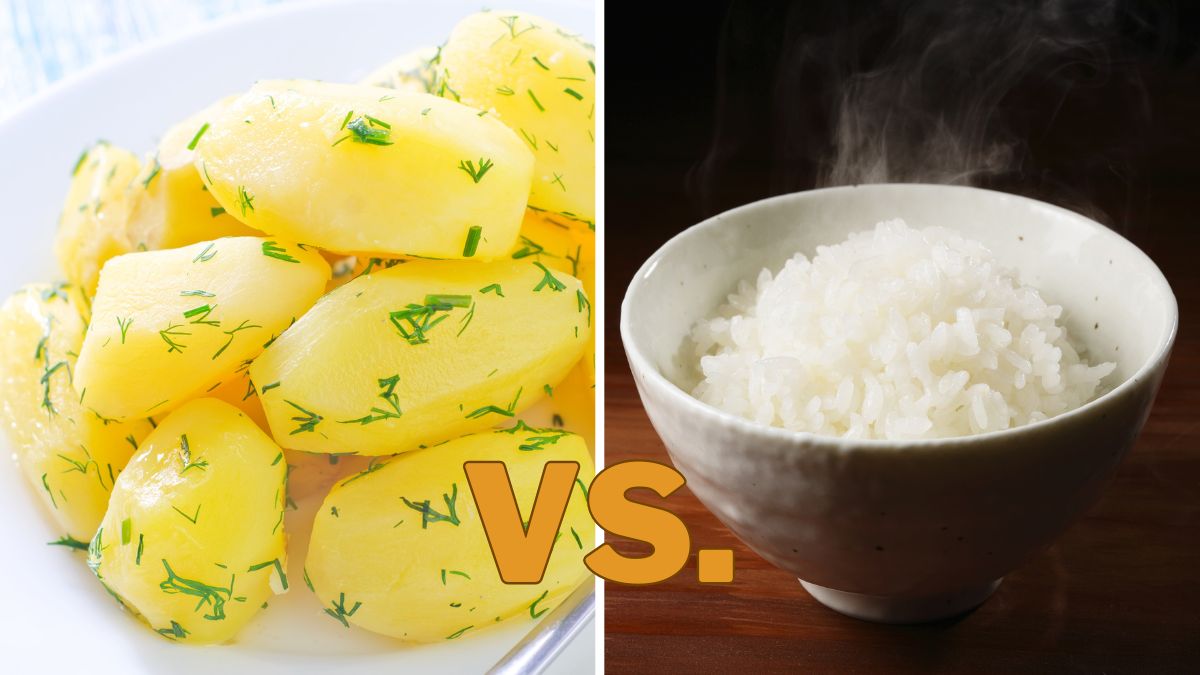

Two of the most beloved staple foods on the planet, and yet somehow they have been quietly competing for a spot on your plate for decades.
Whether you are team mashed potato or devoted to your rice bowl, one of these carbs has a surprising scientific edge when it comes to keeping hunger at bay, and the answer might change the way you eat dinner tonight.
The Satiety Showdown
This is where things get genuinely interesting. Boiled potatoes scored a remarkable 323 on the Satiety Index, which measures how well foods satisfy hunger in the hours after eating. White rice, by comparison, scored only 138.
That means potatoes are roughly two to three times more filling than the same calorie load of white rice. For anyone who has ever eaten a bowl of rice and felt hungry again an hour later, that number explains everything.
Why Potatoes Win on Fullness
The secret is in their structure. Potatoes are around 77% water, which adds physical bulk to a meal without adding calories, sending stronger signals to the brain that you have had enough.
Potatoes are also 5.5 times richer in fiber than white rice, and fiber is one of the most powerful tools the body has for slowing digestion and holding off hunger. More bulk, more fiber, fewer calories per bite, and the result is a food that genuinely keeps you satisfied.
The Rice Advantage
Rice is not without its strengths, and depending on what you need from your body, it might actually be the smarter choice. White rice digests quickly and provides fast-absorbing carbohydrates, which is exactly why it is a staple for endurance athletes and anyone who needs quick energy before or after a workout.
Brown rice closes the nutritional gap considerably. Brown rice provides 4 grams of fiber per cup, making it a far more filling option than white rice and a worthy competitor for anyone focused on long-term energy and digestion.
The Preparation Plot Twist
Here is the trick neither food tells you upfront. Cooling cooked potatoes after boiling increases their resistant starch content, which enhances fullness even further, feeds beneficial gut bacteria, and moderates the blood sugar response.
The exact same rule applies to rice. When cooked white rice is cooled for 24 hours and then reheated, its resistant starch jumps from 0.64 grams per 100 grams to 1.65 grams, roughly two and a half times more. Day-old rice is quietly healthier than freshly cooked rice, which is a genuinely useful thing to know.
The Nutrient Breakdown
On paper, potatoes carry more in terms of vitamins and minerals. They provide 15 times more potassium and twice as much magnesium as white rice, along with vitamins A, C, and K that rice simply does not contain at all.
Rice does hold its own in a few areas. It contains twice as much folate as potatoes, and its slightly higher protein content makes it a practical base for building meals around lean meats and plant proteins.
So, Which Should You Choose?
If staying full is the priority, the potato wins and it is not even close. But how you cook it matters enormously. Boiled or baked potatoes without heavy toppings are a low-calorie, high-volume food that genuinely works in your favor, while fries and butter-loaded mash cancel out every advantage the potato has to offer.
Both foods have earned their place in the global kitchen, and neither deserves to be avoided. The real answer is not which one is better, but knowing what each one does best, and letting that decide what ends up on your plate tonight.
RELATED ARTICLE: The Surprisingly Filling Dinner Formula Dietitians Recommend
