


Eggs vs Oatmeal for Lasting Energy: Which One Actually Keeps You Going?

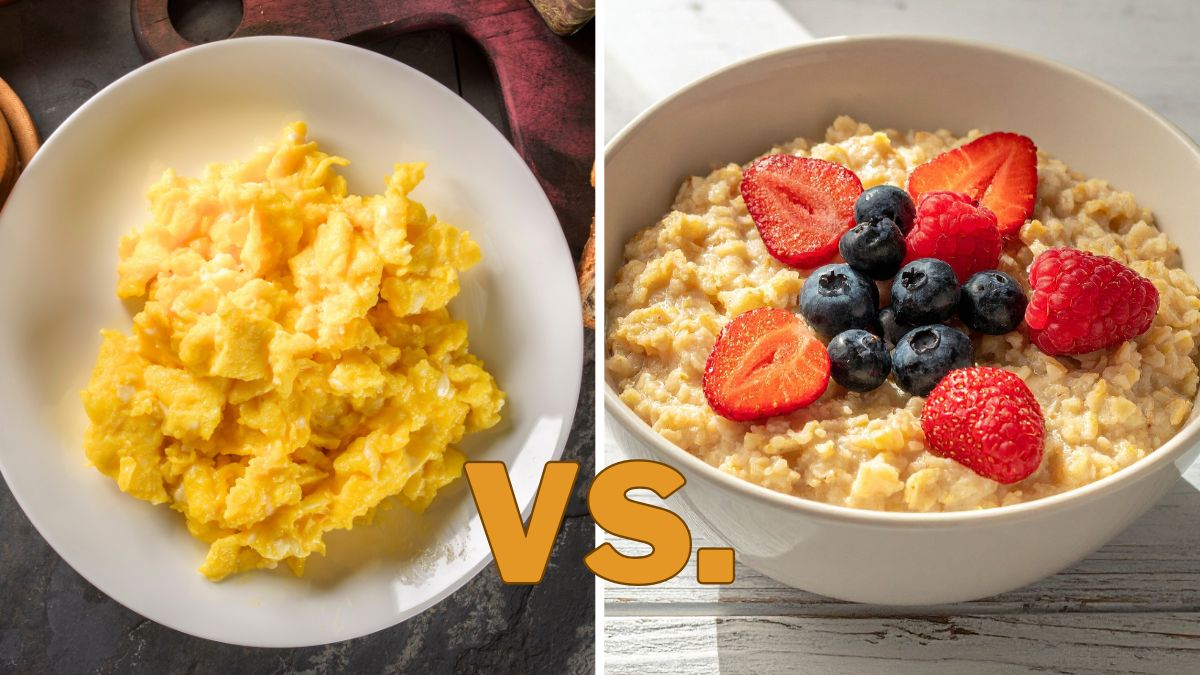

It is the breakfast debate that never really gets settled. Both sit comfortably at the top of every nutritionist’s approved list, both fill you up, and both have genuinely impressive science behind them. But when it comes to keeping your energy steady for hours, they work in completely different ways.
The answer depends entirely on what your body actually needs that morning.
How Eggs Keep You Fuelled
Eggs work through protein and fat, two macronutrients that slow digestion and keep blood sugar remarkably stable. Since scrambled eggs contain very little carbohydrate and are made up mostly of protein and fat, they have very little impact on blood sugar on their own, making the energy they provide slow, steady, and crash-free.
Research comparing egg breakfasts to cereal-based ones found that participants felt significantly less hungry after eating eggs, and consumed meaningfully fewer calories at lunch, hours later.
The Satiety Science of Eggs
The hunger-suppressing power of eggs comes down to biology. An egg-based, low-carbohydrate breakfast was shown to promote satiety through the suppression of appetite hormones, with participants consuming fewer calories not just at lunch but across the subsequent 24-hour period.
Eggs are also a great source of vitamin B12, which supports brain health and indirectly boosts energy, along with vitamin D, choline, and a complete amino acid profile that few other single foods can match.
What Oatmeal Does Differently
Oatmeal plays a completely different game, and it plays it well. Its secret weapon is beta-glucan, a special soluble fiber that slows digestion, steadies blood sugar, and keeps you feeling full by forming a gel-like substance in the digestive tract that delays how quickly glucose enters the bloodstream.
Harvard’s nutrition research confirms that minimally processed oats have a low to medium glycemic load, meaning they release energy gradually rather than in one sharp spike, making them a particularly strong choice for sustained morning focus.
The Instant Oats Trap
Here is where oatmeal gets tricky, and most people do not realize the difference. Instant oatmeal was found to be rapidly digested and absorbed, causing a sharp spike in blood glucose that closely resembled a high-sugar meal, while steel-cut oats produced a far steadier, slower response.
The type of oat matters enormously. What you add to it matters just as much, and loading a bowl with sugar, syrup, or flavored packets can quietly erase most of oatmeal’s natural energy advantages before you even sit down.
So Which One Actually Wins
For pure, steady, hunger-crushing energy that keeps the afternoon crash at bay, eggs have the edge. A crossover study directly comparing the two found that an egg breakfast led to greater satiety throughout the day compared to oatmeal.
But steel-cut oatmeal with smart toppings delivers a powerful combination of slow-digesting carbs, fiber, and B vitamins that make it one of the best pre-workout or high-activity morning meals available, especially for anyone who needs sustained energy across a long, physical day.
The real move, most dietitians agree, is knowing which version of your morning you are fuelling. Not every day calls for the same breakfast, and luckily, both of these happen to be genuinely excellent options.
RELATED ARTICLE: 7 Healthy Breakfast Ideas That Actually Keep You Full
