


Fresh Fruit vs Frozen Fruit for Nutrition: Which Is Healthier?

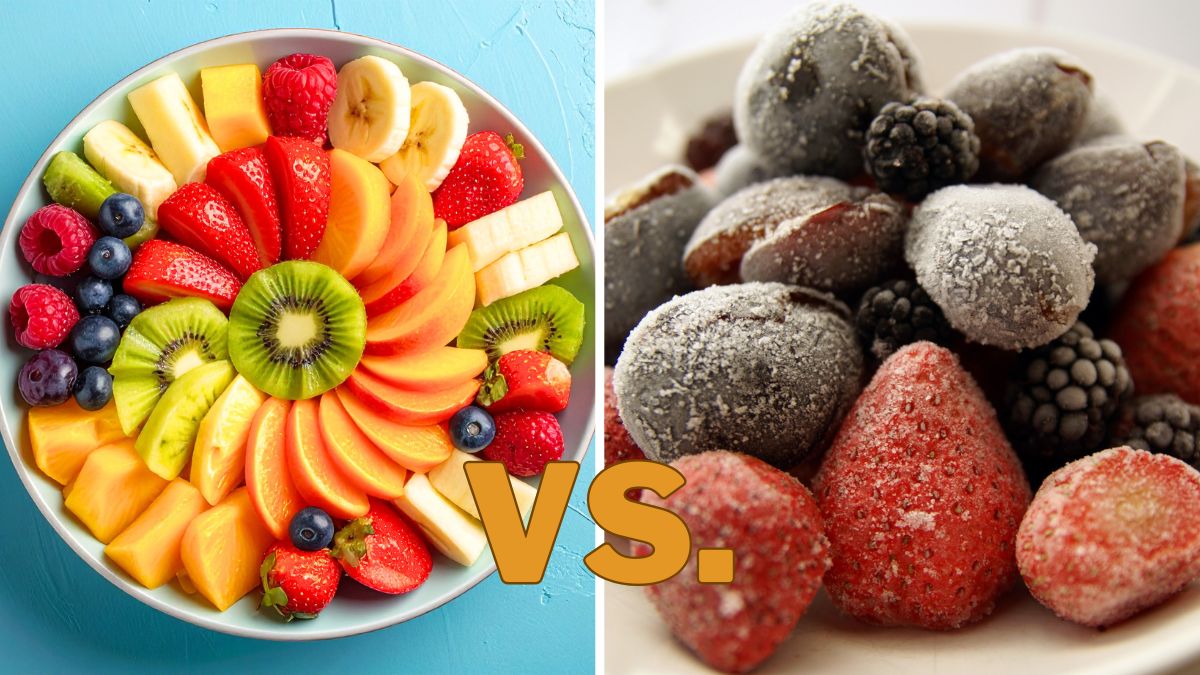

There is something oddly satisfying about reaching into the freezer and pulling out a bag of summer berries in the middle of winter. But most people still grab the fresh stuff out of habit, quietly assuming the frozen aisle is somehow second-rate.
What if everything you thought you knew about your fruit bowl was slightly off?
What Happens Before It Even Hits the Shelf
Here is the part that changes the whole conversation. Nutrients in fruit are at their peak right after being picked, and because frozen fruit is frozen so quickly after harvest, it actually retains a remarkable amount of that nutritional value.
Meanwhile, the glossy peaches sitting in your produce section have likely had a very long journey. The produce at your supermarket may have been picked weeks ago and then taken a cross-country trip to arrive on the shelf, and the longer it sits around, the more nutrients quietly leach away.
The Vitamin C Plot Twist
Here is where things get genuinely surprising. Vitamin C is a water-soluble antioxidant that is sensitive to light, heat, and oxygen, meaning fresh strawberries, kiwis, pineapple, and mangos are especially vulnerable to nutrient loss during long transportation and storage periods.
Any minor vitamin loss that does occur during freezing may actually be balanced out by the fact that the process captures fruit at peak ripeness, when it holds the highest concentration of vitamins and minerals.
Science Has Officially Weighed In
It is not just wellness influencers saying this anymore. Two independent studies found that frozen fruits and vegetables can actually have higher levels of antioxidants and phytochemicals than their fresh counterparts, particularly after fresh produce had been stored in a refrigerator for just three days.
Researchers measured antioxidants including vitamin C, polyphenols, anthocyanins, lutein, and beta-carotene, and frozen options often performed better because produce frozen soon after harvest maintains its nutrients until the moment you actually consume it.
Fresh Still Has Its Moment
Fresh fruit still holds its own, especially when it comes straight from a local farm or a weekend market. There is nothing quite like biting into a crisp apple or a juicy ripe peach, and fresh fruit offers an immediate dose of vitamins, fiber, and a sensory experience that frozen simply cannot replicate.
Fresh fruits are also rich in phenolics, a type of antioxidant that helps fight free radicals and may reduce the risk of heart disease and other chronic conditions.
The Fruits Worth Freezing First
Not all fruits are equal in this debate. Dietitians point to wild blueberries, mango, and cherries as the fruits most worth buying frozen, both for their nutritional staying power and their year-round convenience.
Frozen fruit often lasts several months and tends to be more economical than fresh, and because it usually comes pre-washed and pre-sliced, it saves real time in the kitchen too.
The bottom line is delightfully simple. Whether you reach for the fresh bowl on your counter or the trusty bag of berries in the back of your freezer, you are doing something genuinely good for yourself. The frozen aisle deserves a little more credit, and your smoothies might actually be more nutritious than you ever gave them credit for being.
RELATED ARTICLE: What Doctors Say Is the Best Fruit for Healthy Aging
