


The Surprisingly Filling Dinner Formula Dietitians Recommend

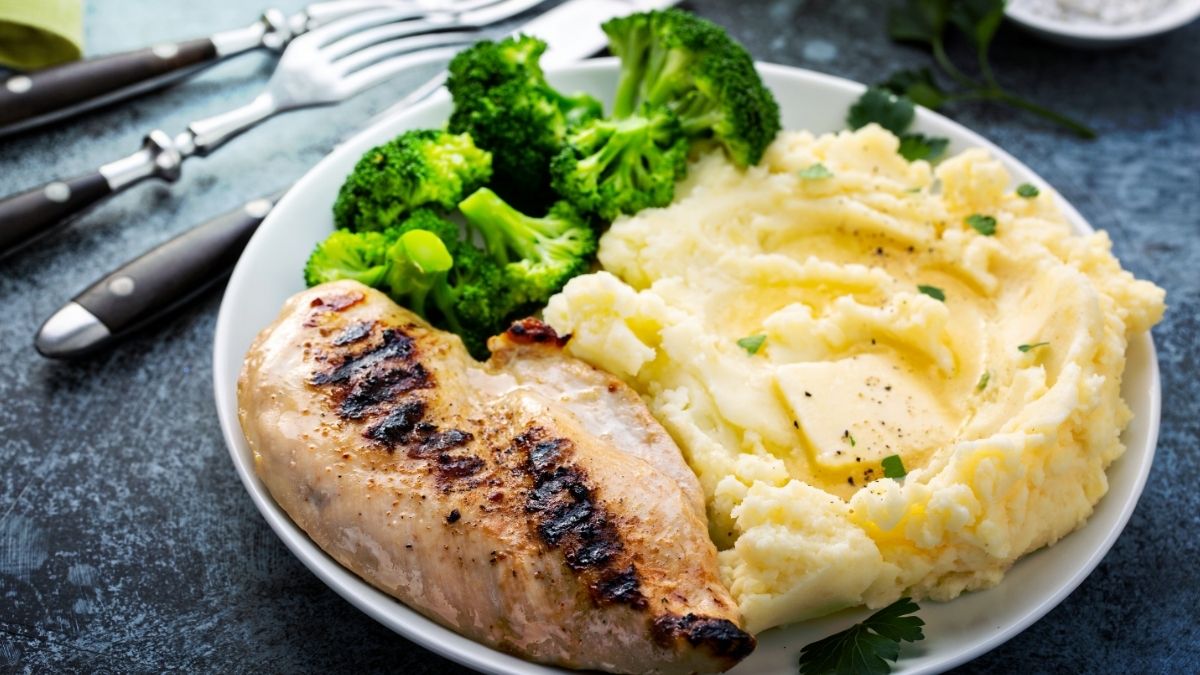

Most people have been there. You finish dinner, push back from the table, and somehow, an hour later, you are standing in front of the open fridge looking for something else. It is not a willpower problem. It is a plate-building problem.
And dietitians say the fix is simpler than most people think.
The Real Reason Dinner Leaves You Hungry
The culprit is almost always the same. Meals dominated by refined carbohydrates and low in fiber produce weaker hormonal responses, which means hunger returns faster than it should.
When you eat refined carbs without enough protein or fiber, your blood sugar spikes and then crashes, sending urgent hunger signals back to the brain before the meal has even had time to settle. The result is the pantry raid you promised yourself you would skip.
The Formula That Actually Works
Dietitians have been pointing to the same basic framework for years, and it is not complicated. Fill half your plate with non-starchy vegetables, one quarter with lean protein, and the remaining quarter with whole grains or starchy vegetables. A small amount of healthy fat, like olive oil, avocado, or nuts, rounds out the meal.
Daisy Mercer, a dietitian with MyFitnessPal, puts it plainly: if you build dinner with the half-plate vegetable layout most nights, you naturally trim calories while keeping meals big and satisfying. The plate does the work for you.
Why Protein Is the Anchor
Protein is not just a trend. It is consistently shown to be the most satiating macronutrient, and the science behind it is straightforward.
Protein boosts satiety hormones like GLP-1 and PYY while suppressing ghrelin, the hunger hormone. It also takes longer for the body to digest than carbohydrates, which means you stay fuller for longer without needing to eat more. Studies suggest that increasing protein intake can reduce calorie intake at subsequent meals by up to 20%.
The 2025-2030 Dietary Guidelines for Americans actually doubled the previous protein recommendation, which had stood unchanged for over 80 years, reflecting how central the nutrient has become to understanding long-term health and fullness.
Fiber Is Doing More Than You Think
Protein gets the headlines, but fiber is quietly doing just as much work. Fiber slows digestion, helps regulate appetite, and supports a steadier rise in blood sugar, which can reduce the urge to keep snacking after dinner.
Research published in ScienceDirect found that satiety can be stimulated far more effectively by combining fiber and protein together than by either nutrient alone. The two work synergistically, and most people are still not getting nearly enough of either.
Dietitian Molly Knudsen recommends that even snacks should contain at least 10 grams of protein and 4 grams of fiber to help slow digestion and support the hormones tied to fullness throughout the day.
Do Not Skip the Healthy Fat
Fat has spent decades being unfairly blamed for everything, and it deserves a proper seat at the dinner table. Healthy fats slow gastric emptying and contribute meaningfully to satisfaction after eating. Without them, even a high-protein, high-fiber plate can leave something missing.
Sources like olive oil, avocado, salmon, and a small handful of nuts all count. Sports dietitian Roxana Ehsani regularly builds dinners around salmon or chicken with vegetables and sweet potatoes on a sheet pan, calling it the fastest way to get protein, fiber, complex carbohydrates, and healthy fats into one meal without making dinner your whole evening.
What This Looks Like on a Real Plate
The formula is flexible enough to work with almost any cuisine. A piece of grilled salmon over roasted broccoli with a scoop of brown rice and a drizzle of olive oil.
A chicken and chickpea curry over cauliflower with a side of leafy greens. A black bean and vegetable stir-fry over quinoa with a tahini sauce.
Registered dietitian Kylie Sakaida recommends leaning on beans and legumes regularly because they offer both protein and fiber in a single ingredient, making them one of the most efficient building blocks for a filling dinner.
Even a simple chili with lean ground beef and multiple types of beans can hit over 30 grams of protein and 9 grams of fiber per serving, which is the kind of combination that keeps hunger quiet all evening.
The formula is not about restriction. It is about building meals that are big enough and smart enough to actually do their job. Once you understand how the pieces fit together, the late-night fridge door stays closed on its own.
RELATED ARTICLE: 7 Healthy Breakfast Ideas That Actually Keep You Full
