


Visiting Prague? Czech Foods Every Tourist Should Try

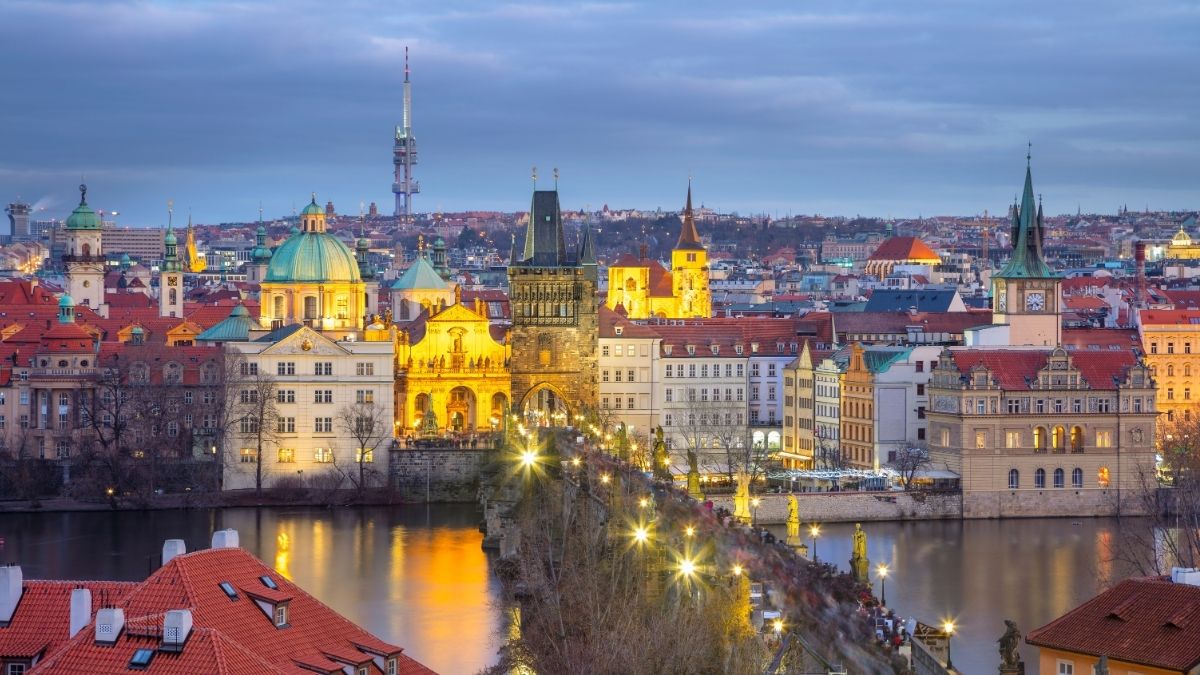

Prague is one of those cities that somehow exceeds every expectation, the cobblestones, the gothic spires, the Charles Bridge at sunrise. But somewhere between all that breathtaking architecture, there is a food scene that most visitors stumble into almost by accident. And once you taste it, the city hits completely different. Here is what to order.
Svíčková
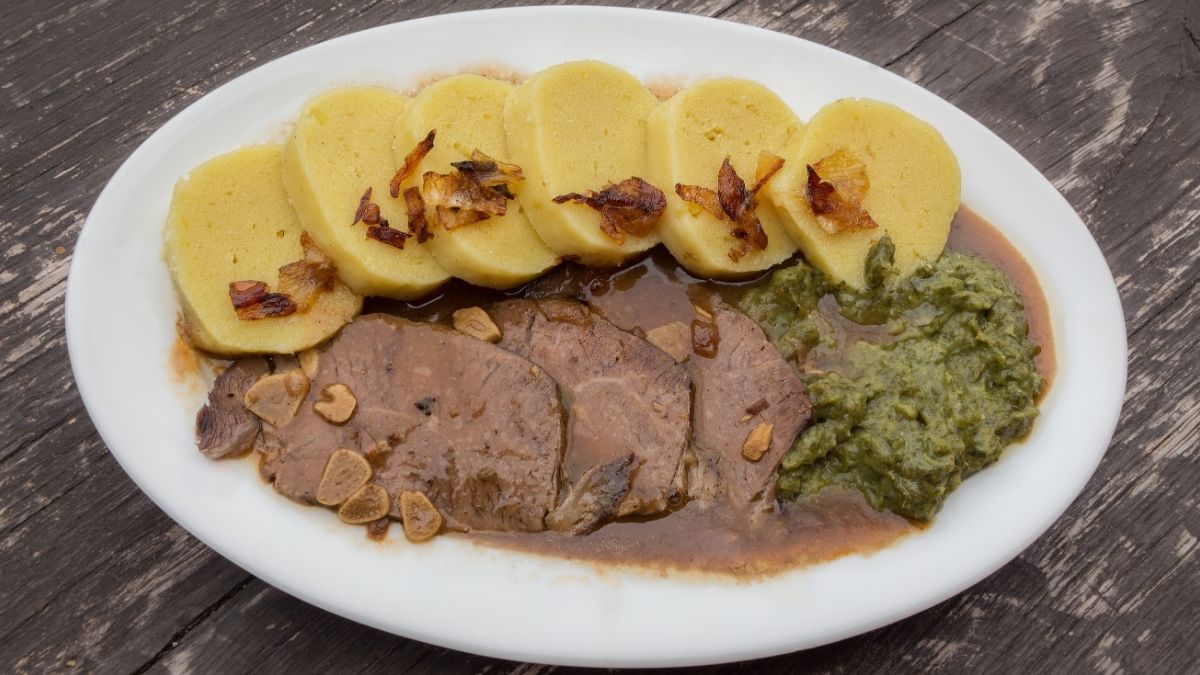
This is the dish that defines Czech cooking. Svíčková is tender beef sirloin slow-roasted with root vegetables, then served in a velvety cream sauce alongside soft bread dumplings and a dollop of tangy cranberry compote.
The name literally translates to “candle sauce,” and it has been a fixture on Czech tables since the 18th century. Many Czechs consider it the true national dish, and it is the kind of meal that lingers in your memory long after the trip ends.
Guláš
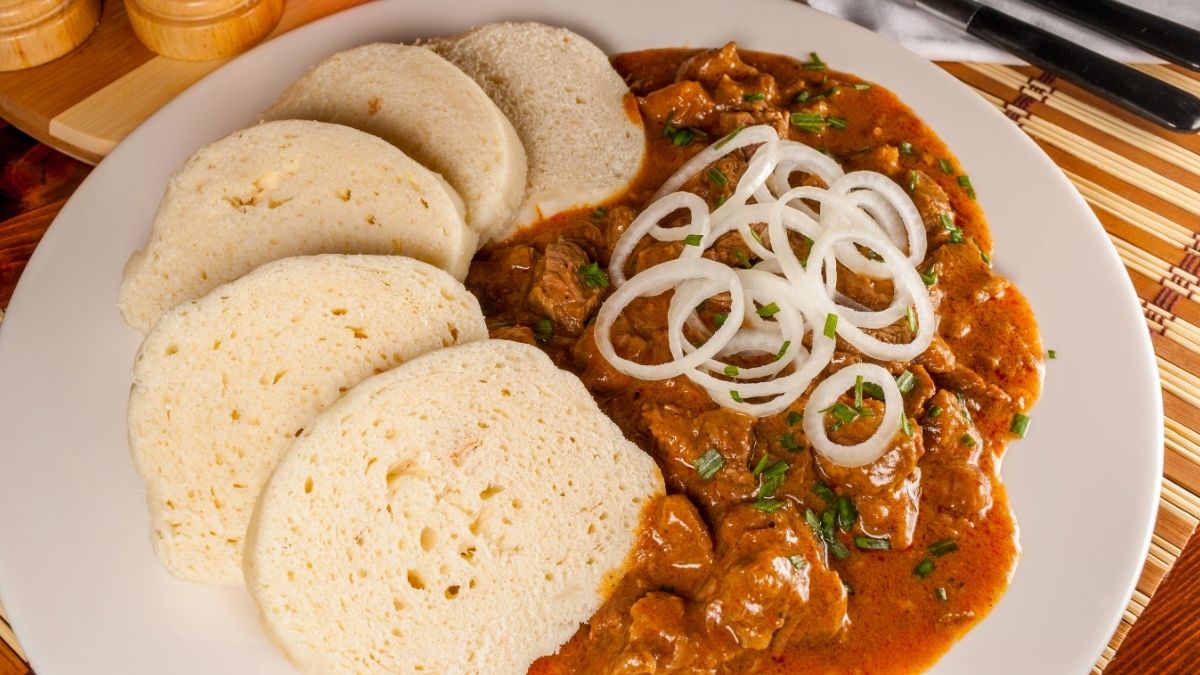
Czech goulash is not the Hungarian version, and locals will notice if you confuse the two. This is a thick, slow-simmered beef stew built on a base of caramelized onions, paprika, cumin, and sometimes a splash of dark Czech beer.
It arrives at the table piled next to soft bread dumplings, usually garnished with raw sliced onion, and it is almost impossible to eat without ordering a cold Pilsner alongside it. Some of Prague’s oldest breweries cook their goulash directly with their house beer, which adds an entirely different depth of flavor.
Smažený Sýr
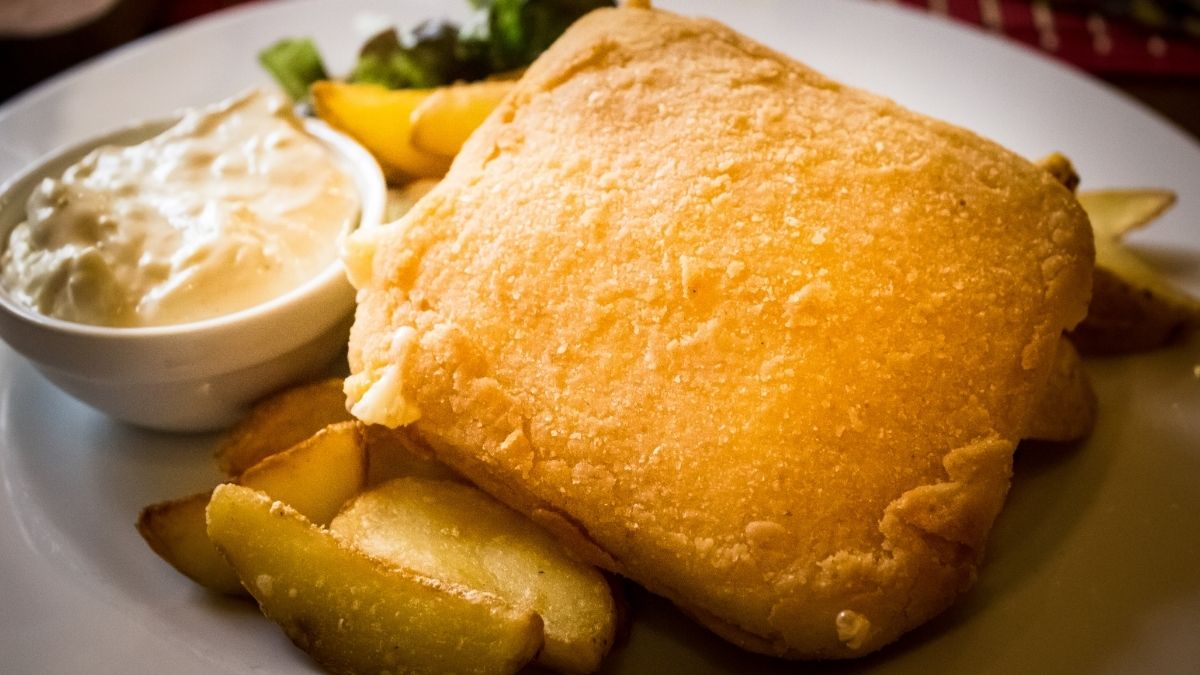
Think mozzarella sticks, and then forget them entirely. Smažený sýr is a thick slab of Edam or Gouda coated in flour, egg, and breadcrumbs, then pan-fried until deeply golden and molten inside.
It is served everywhere from school cafeterias to high-end restaurants, usually with a side of fries and a generous amount of Czech tartar sauce. Markets sell it tucked into a soft bun like a street food sandwich, which is arguably the best way to eat it while wandering the city.
Kulajda
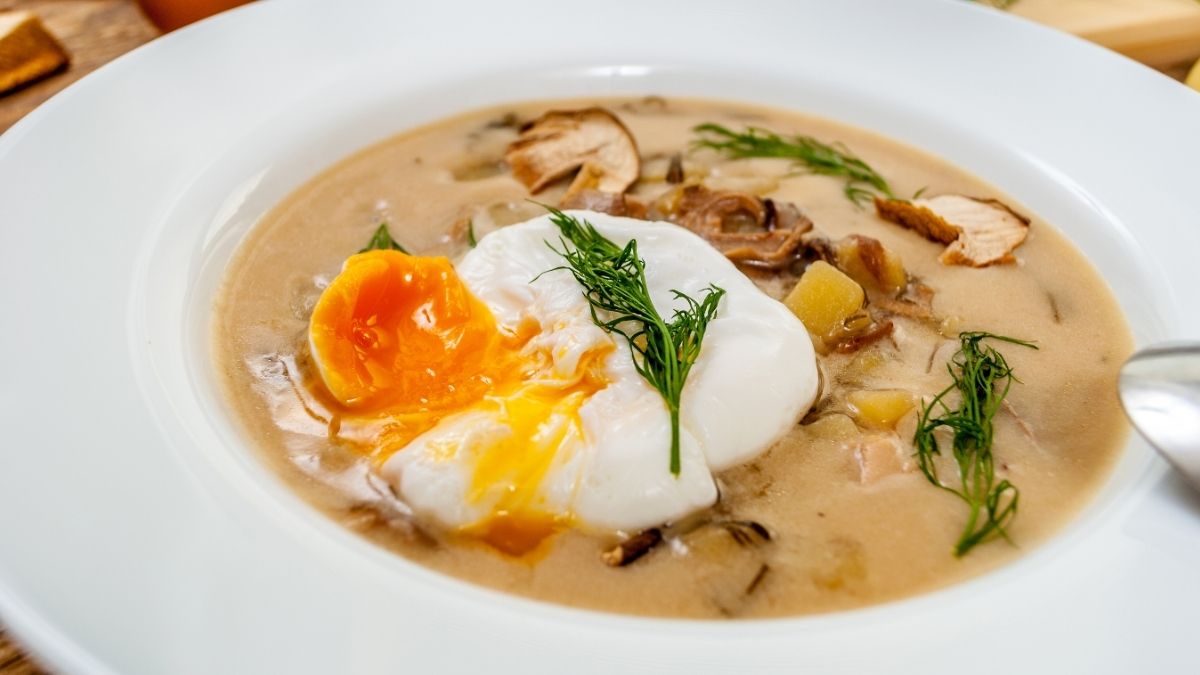
This one is the sleeper hit of Czech cuisine. Kulajda is a creamy soup made with wild mushrooms, potatoes, sour cream, and fresh dill, with a poached egg sometimes hidden at the bottom of the bowl.
It is warming and earthy and completely unlike anything most visitors expect. Order it on a rainy Prague afternoon and it will become the most memorable bowl of soup you have had in years.
Trdelník
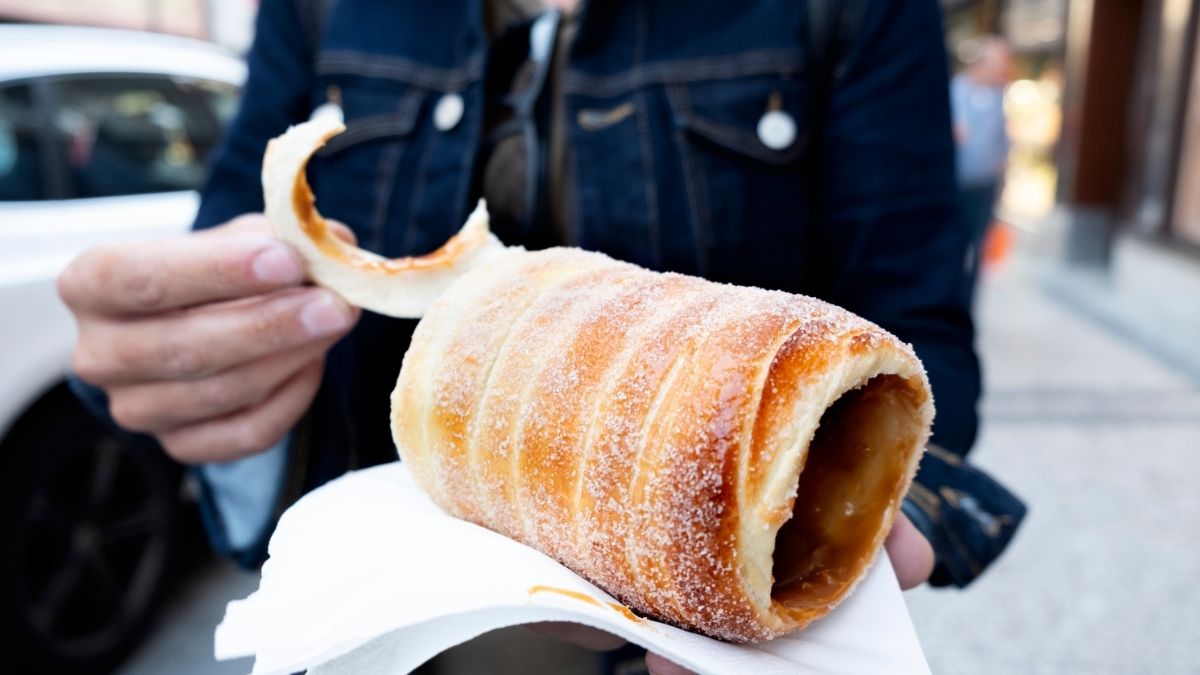
Every visitor walks past a trdelník stand within the first ten minutes in Prague, and almost everyone eventually gives in. This is a sweet dough wrapped around a wooden spit, grilled over open flame, and rolled in cinnamon sugar until the outside is crispy and caramelized.
Here is the thing locals love to mention: trdelník is not actually Czech. Its roots trace back to the Austro-Hungarian Empire and Hungarian baking traditions, and plenty of Czechs roll their eyes at the tourist shops selling it as an ancient tradition. But it is delicious anyway, and Prague has fully made it its own.
Czech cuisine rewards the curious traveler in a way that feels genuinely personal, like the city is letting you in on something the guidebooks skim past. Go hungry, order what the table next to you is having, and let the dumplings do the rest.
