


The Canned Tuna Habit That Might Be Doing You More Harm Than Good

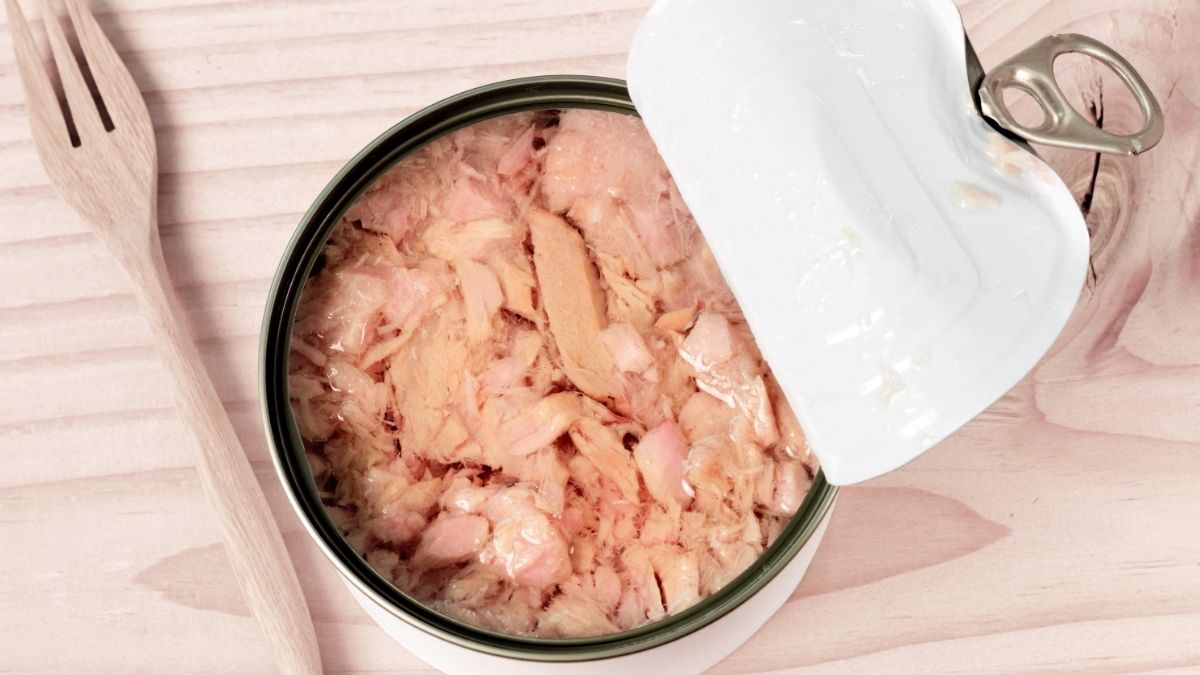

It sits in almost every kitchen. It is cheap, convenient, and packed with protein, which is exactly why millions of people eat it several times a week without a second thought. But quietly, a growing wave of research and alarming real-world decisions by governments are raising some serious questions about your favorite pantry staple.
The answer to whether your tuna habit is actually fine might be more complicated than you think.
The Mercury Problem Nobody Warned You About
The issue starts in the ocean. Mercury released into the environment through industrial pollution settles into waterways, where bacteria convert it into methylmercury, a form that enters the food chain and builds up at every level.
Tuna, being a large predatory fish, sits near the top of that chain. By the time it reaches your can, it has accumulated far more mercury than smaller fish like sardines or anchovies ever would.
What Recent Tests Actually Found
In 2024, environmental organizations Bloom and Foodwatch tested 148 cans of tuna purchased across five European countries. Every single sample contained mercury, and 57 percent exceeded the limit that applies to other common fish.
Some cans came in at nearly four times the standard applied to fish like cod and mackerel. One French brand registered mercury concentrations reaching up to 3.9 milligrams per kilogram, nearly four times the already generous legal limit for tuna.
Why Paris and Lyon Pulled It from Schools
The findings triggered real action. Eight major French cities, including Paris, Lyon, and Lille, banned canned tuna from school cafeterias entirely, citing the need to protect children from unnecessary mercury exposure.
The ban will remain in place until mercury limits for tuna are brought in line with those for other fish. The World Health Organization has identified mercury as one of the ten chemicals of major public health concern, with children being particularly vulnerable.
White Tuna vs Light Tuna: There Is a Big Difference
Not all canned tuna carries the same risk, and this distinction matters. Canned white albacore averages 0.407 parts per million of mercury, more than three times higher than canned light skipjack tuna, which sits at around 0.118 ppm.
That gap exists because albacore is a larger, longer-lived species that spends more years accumulating mercury in its body. Light tuna packs roughly half the mercury of albacore, making it the safer choice for anyone eating tuna regularly.
The Other Thing Hiding in Your Can
Mercury is not the only concern worth paying attention to. Most canned foods, including tuna, use an interior lining to prevent corrosion, and for decades that lining contained BPA, an industrial chemical linked to hormonal, cardiovascular, and reproductive effects.
Many manufacturers have moved away from BPA, but the FDA does not require companies to disclose what their can linings actually contain. Some replacements have not been thoroughly studied either, which means the safest option may be tuna sold in pouches rather than cans.
Who Needs to Be Most Careful
Eating too much mercury-heavy seafood over long periods can lead to mercury poisoning, with symptoms that include skin numbness, tremors, double vision, memory problems, and seizures.
Pregnant women and young children face the highest risk. Consumer Reports has gone as far as recommending pregnant women avoid canned tuna altogether, while the FDA currently advises limiting albacore to one six-ounce serving per week for those who are pregnant or breastfeeding.
None of this means canned tuna needs to disappear from your life entirely. Choosing light skipjack over white albacore, sticking to a couple of servings a week, and looking for BPA-free packaging are small swaps that make a real difference. The can is not the enemy, but knowing what is inside it absolutely is.
RELATED ARTICLE: No Mayo Tuna Pasta Salad Recipe
