


Traveling to Japan? The Regional Foods Worth the Trip

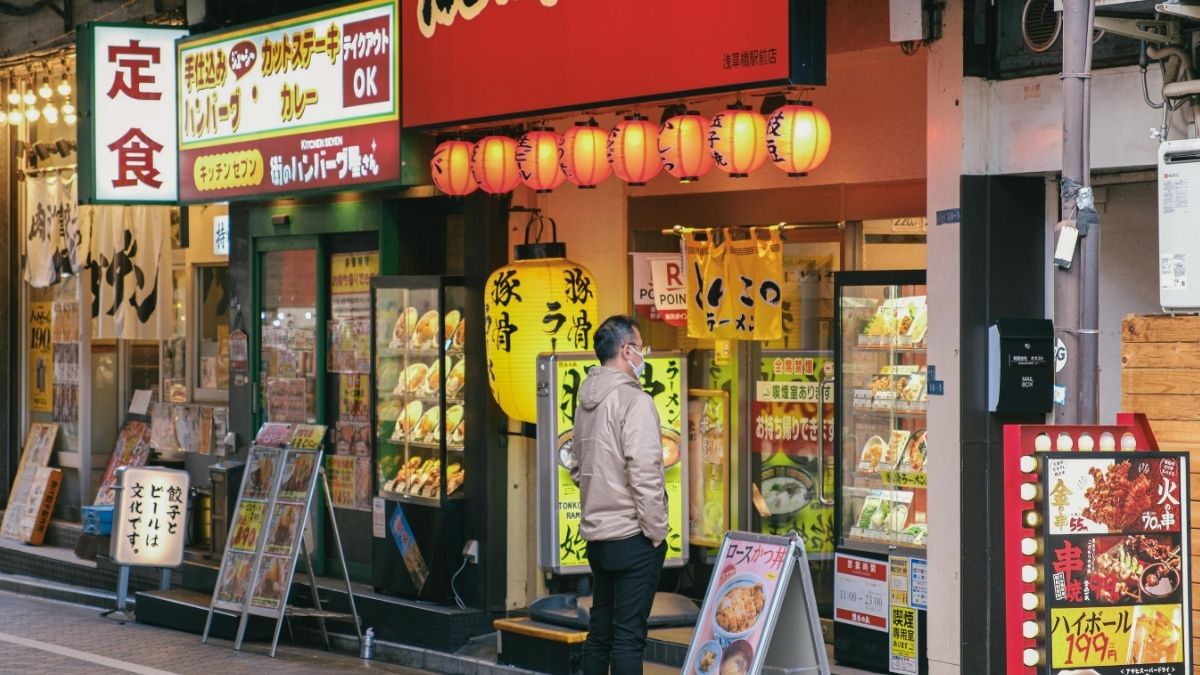

Most travelers land in Japan with a short list: sushi, ramen, maybe some street food. But the country’s real culinary magic lives in the regions, hiding in places you only find if you actually show up.
Each city, island, and prefecture has a dish it quietly calls its own, and once you start following that trail, the whole trip changes. Here are the ones worth going out of your way for.
Sapporo Miso Ramen
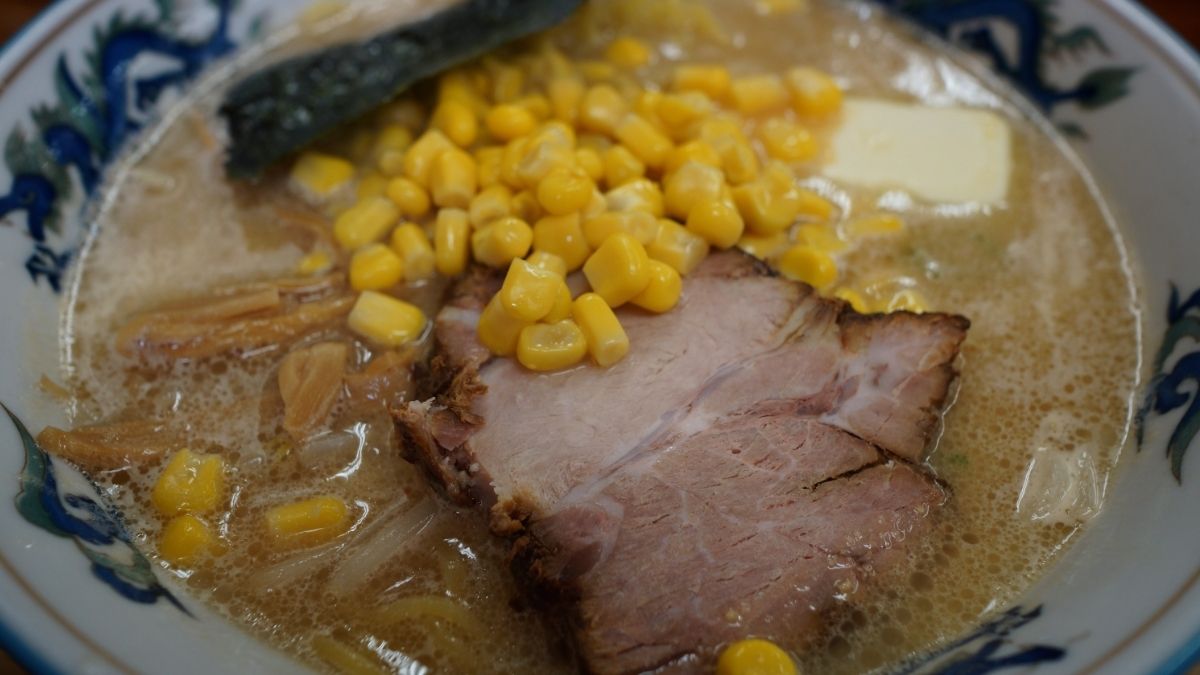
Hokkaido’s capital is widely regarded as the birthplace of miso ramen, and the local version earns every bit of that reputation.
A generous knob of Hokkaido butter melts straight into the rich broth, making it creamier and deeper than anything you’ll find elsewhere, with sweetcorn adding a gentle sweetness that somehow makes perfect sense. It’s the kind of bowl that makes you seriously consider missing your train.
Hokkaido Kaisendon
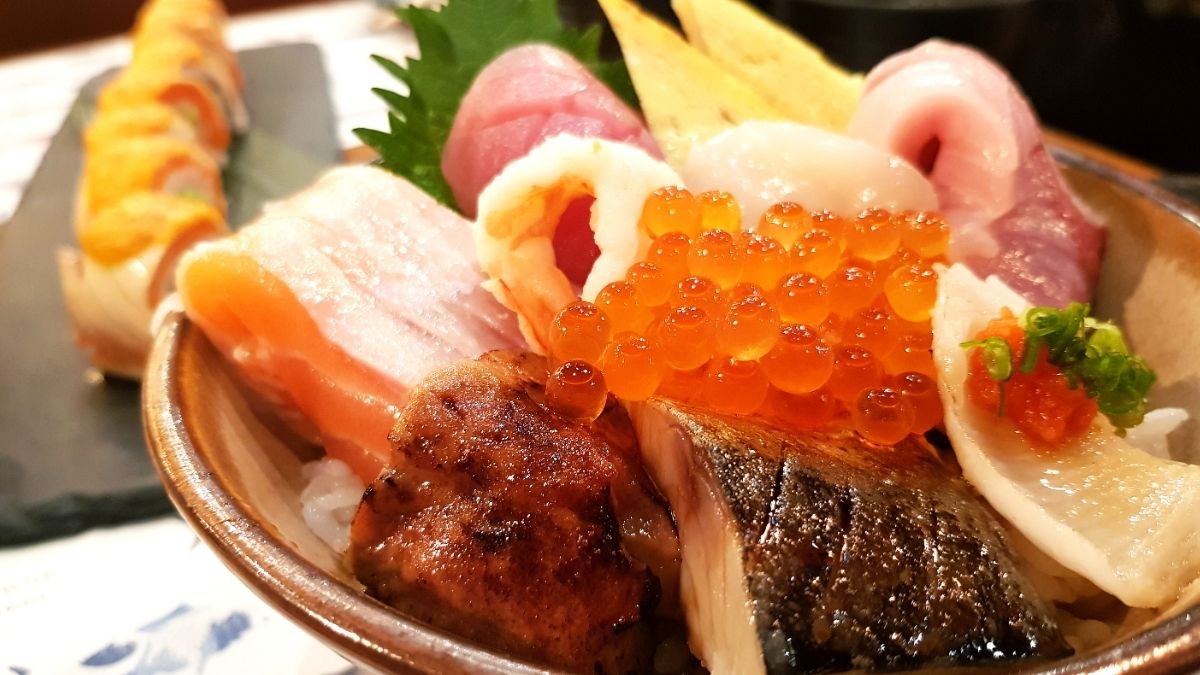
Beyond the ramen, Hokkaido’s seafood rice bowls are in a league of their own. Sea urchin, crab, scallops, and salmon roe are piled high over rice in what locals call kaisendon, a direct and glorious reflection of the island’s cold, nutrient-rich surrounding seas.
Visit the Hakodate Morning Market early and you’ll understand immediately why people plan entire trips around this bowl.
Osaka Takoyaki
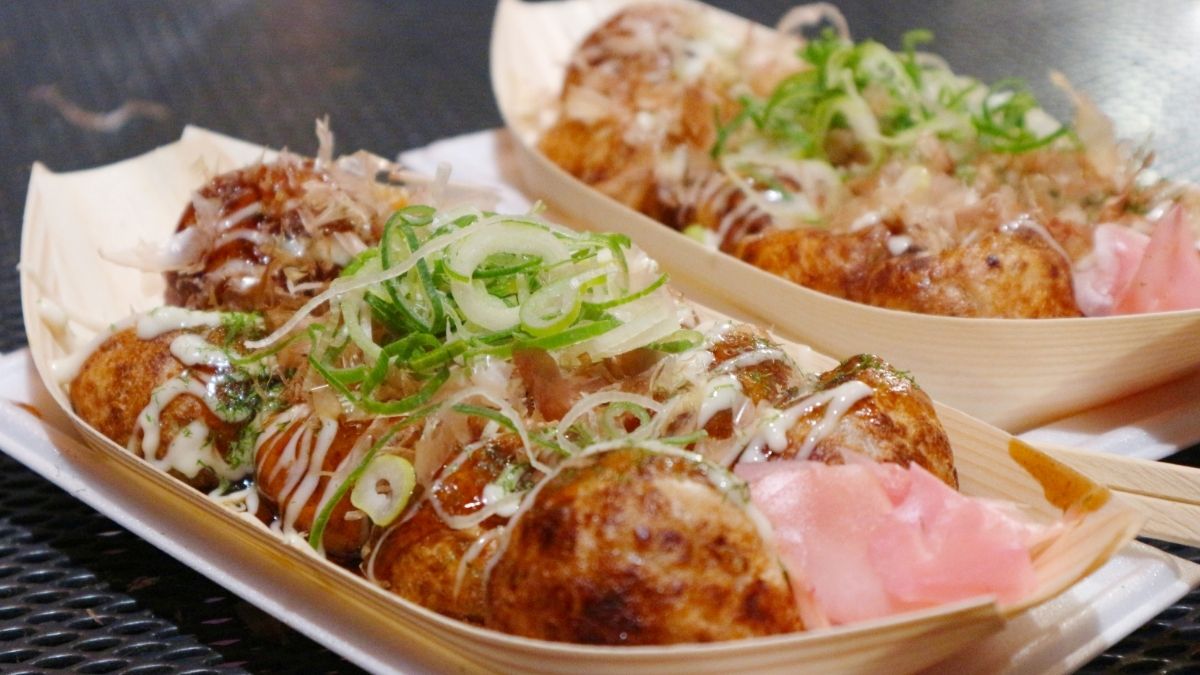
Osaka’s food culture runs on a philosophy locals call kuidaore, which roughly translates to “eat until you drop.” Takoyaki is its most iconic expression. Round dough balls filled with diced octopus, pickled ginger, and tempura scraps, cooked golden in special cast-iron molds and finished with tangy sauce and dancing bonito flakes.
Hot, messy, and impossible to eat just one.
Hiroshima-Style Okonomiyaki
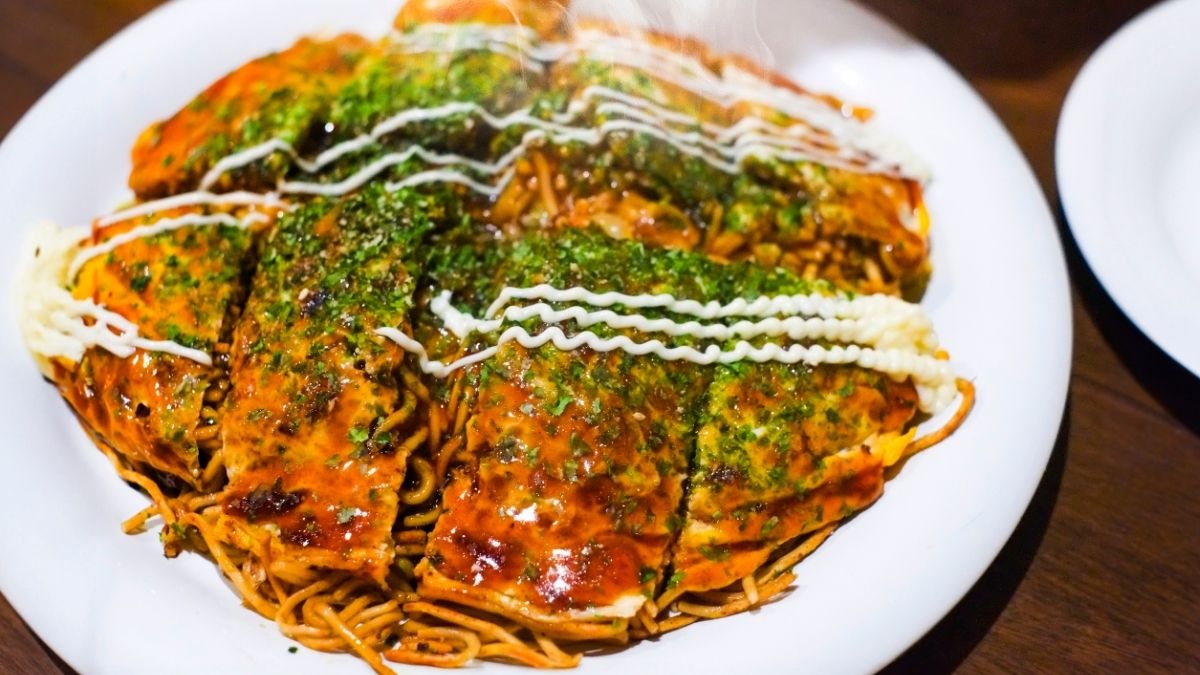
Osaka has its own version, but Hiroshima’s take is a different creature entirely. Instead of mixing the ingredients into the batter, the dish is built in layers, stacked high with cabbage, bean sprouts, pork, and fried noodles, then topped with egg and drizzled generously with Worcestershire-style sauce.
Locals are rightfully proud of it, and the difference is immediately obvious in the first bite.
Hiroshima Oysters
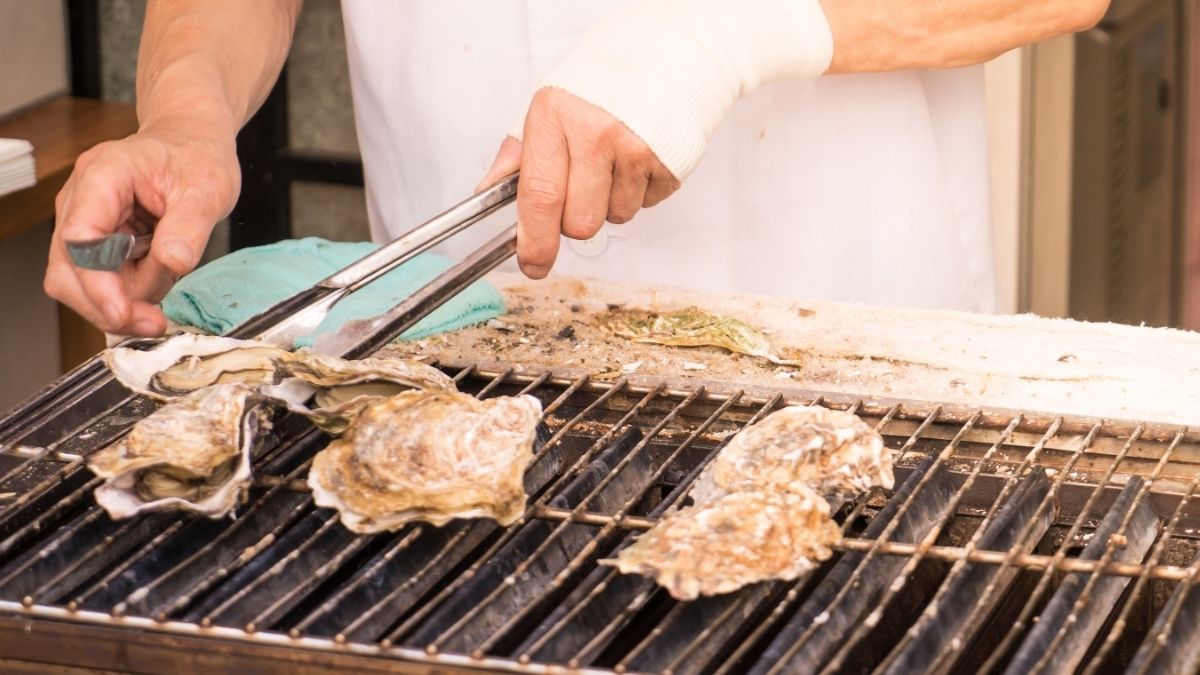
Hiroshima produces around two-thirds of Japan’s entire oyster supply, thanks to the calm, nutrient-packed waters of the Seto Inland Sea. The result is oysters that are plump, creamy, and sweet in a way that genuinely stops you mid-conversation.
They’re served grilled, raw, fried in batter, and even tucked into savory miso hotpots. This alone is reason enough to add Hiroshima to the itinerary.
Kyoto Yudofu
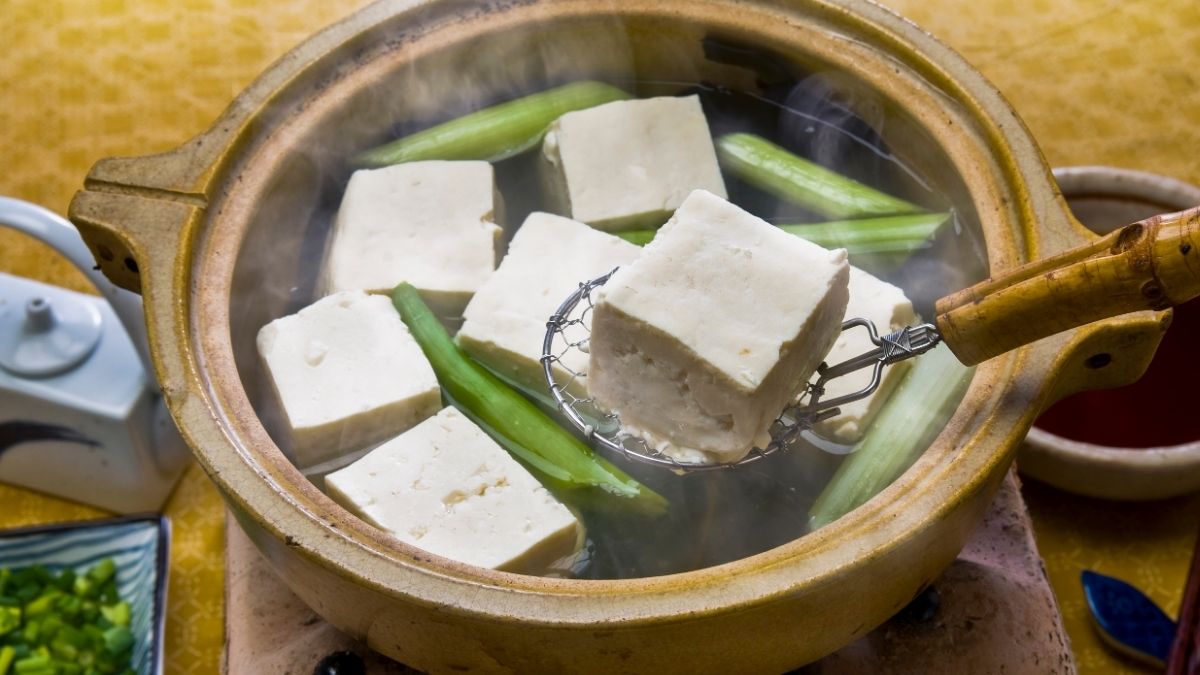
Kyoto’s tofu has a quiet confidence about it. Silken tofu simmered in a delicate kelp broth, dipped in ponzu, and served at restaurants that have been doing exactly this since the 17th century.
The dish has been a staple near the Nanzenji temple complex for centuries, and the experience of eating it there, surrounded by ancient architecture, adds a layer that no other meal can replicate.
Fukuoka Tonkotsu Ramen
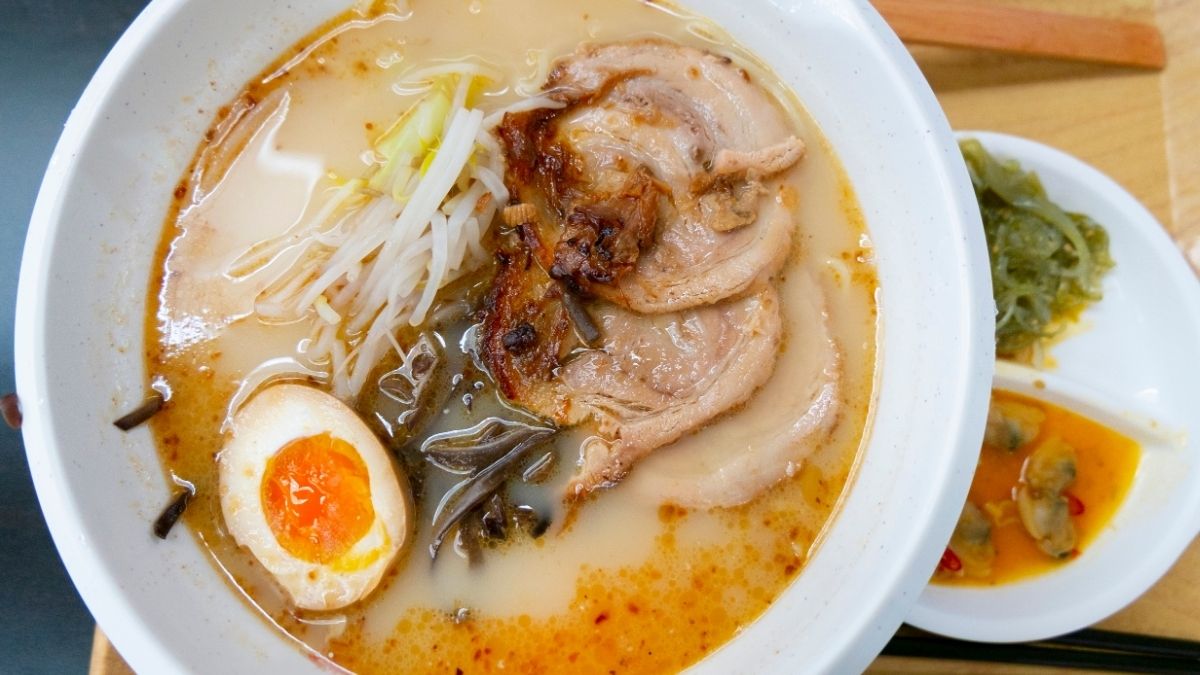
Tonkotsu ramen originated in Fukuoka’s Hakata district, not in the ramen chains that later exported it to the world.
he real thing features a milky white broth simmered from pork bones for hours, served with thin firm noodles and topped with chashu pork. Locals even order kaedama, a fresh serving of noodles dropped directly into the remaining broth. Don’t let anyone tell you you’ve had this until you’ve had it here.
Fukuoka Mentaiko
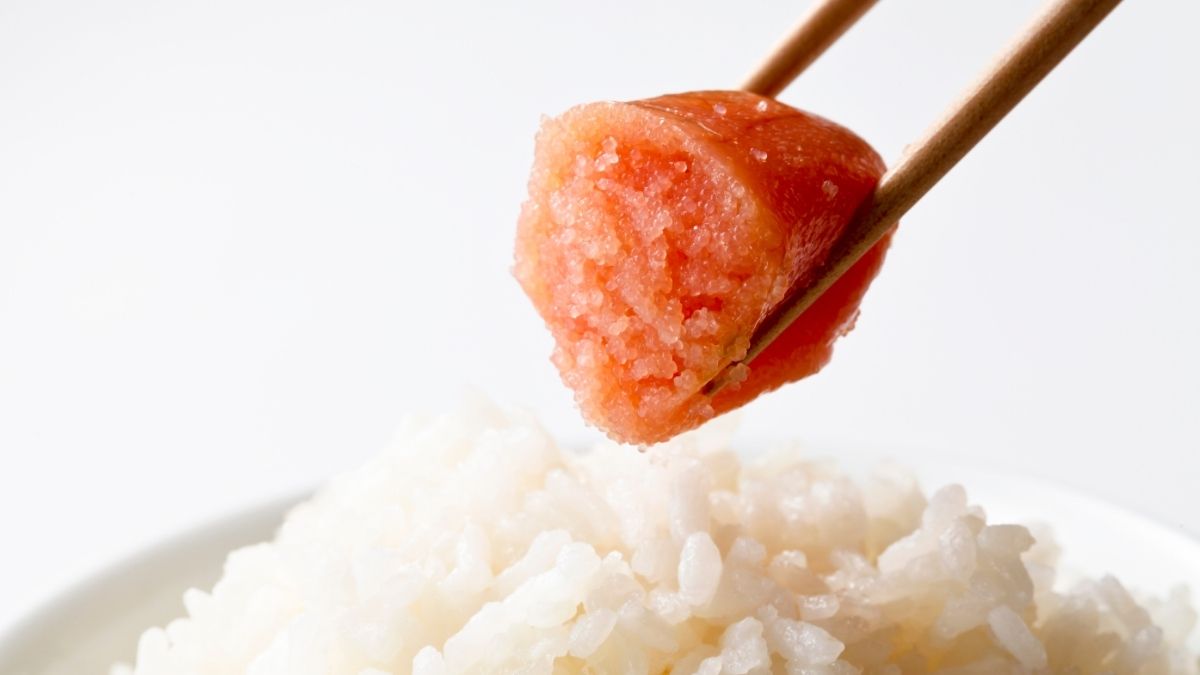
Mentaiko is spicy, salt-cured cod roe, and Fukuoka has perfected it in a way no other city has matched. It’s eaten over hot white rice for breakfast, stuffed into onigiri, swirled through pasta, or spread onto fresh bread.
The spice level ranges from mild to face-warming, and most visitors end up buying several jars to bring home. It is, without question, one of the great food souvenirs in all of Japan.
Okinawa Taco Rice
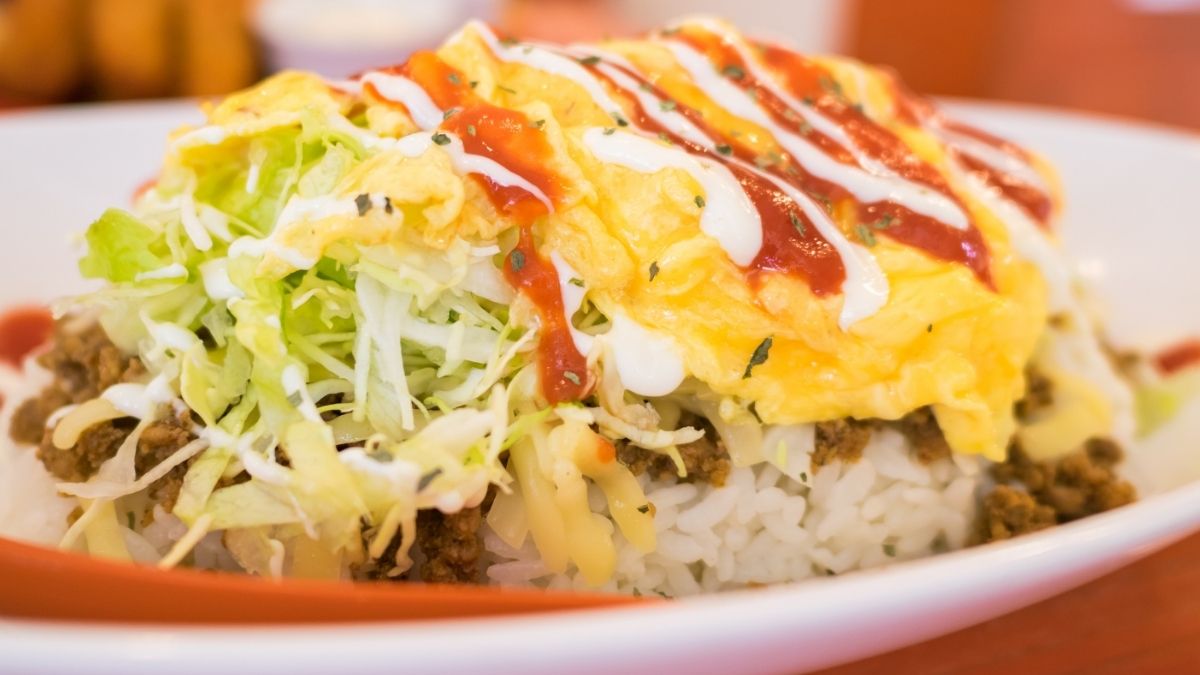
Nobody expects to find taco ingredients on a Japanese island, but Okinawa has always played by its own rules. Taco rice was born from American military influence in the 1980s, and it’s exactly what it sounds like: seasoned ground beef, shredded cheese, lettuce, tomato, and salsa over a bowl of white rice.
It has become so woven into local life that schools serve it as a regular lunch option. Surprising, filling, and completely addictive.
Okinawa Goya Champuru
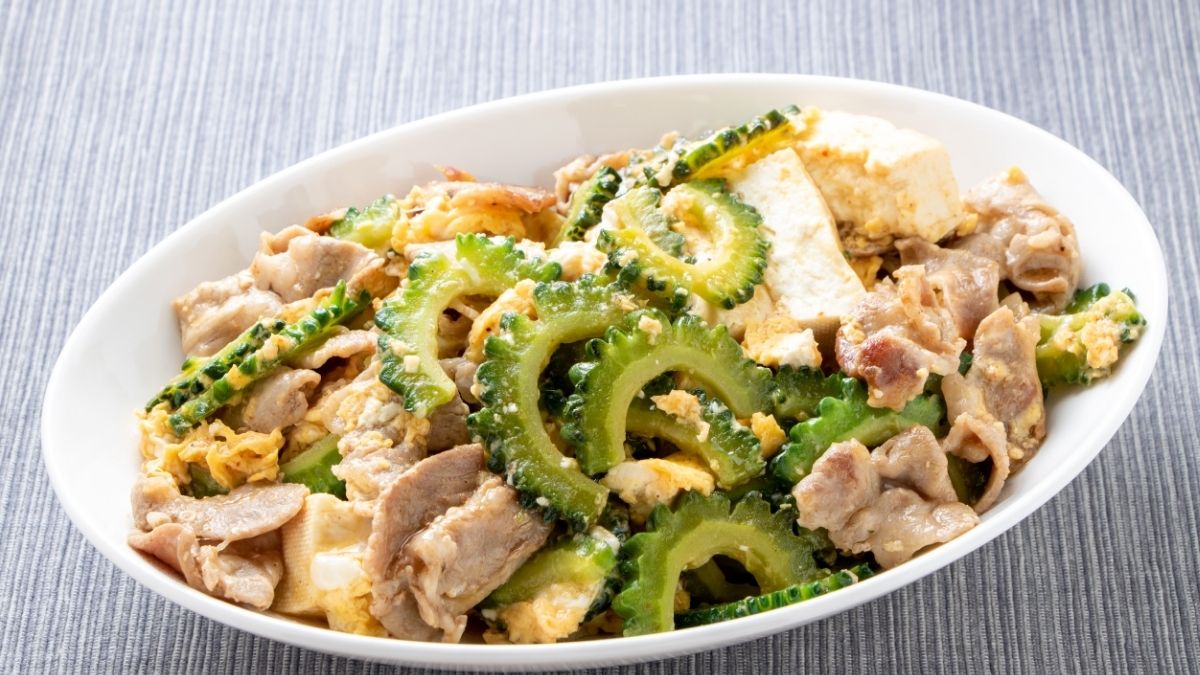
The dish that best captures Okinawa’s soul is less glamorous but far more interesting. Goya champuru is a stir-fry built around goya, a bitter melon unique to the island’s tropical climate, combined with firm tofu, pork, egg, and bean sprouts.
The bitterness is real, and it takes exactly one bite to get it. After that, you’ll find yourself ordering it again at every local diner you pass.
Japan is the rare destination where eating regionally is genuinely as rewarding as seeing the sights. The dishes above aren’t on every tourist menu, which is precisely why they’re the ones you’ll remember long after the trip ends.
RELATED ARTICLE:
