


Visiting Italy? Here Are the Dishes You Absolutely Cannot Miss

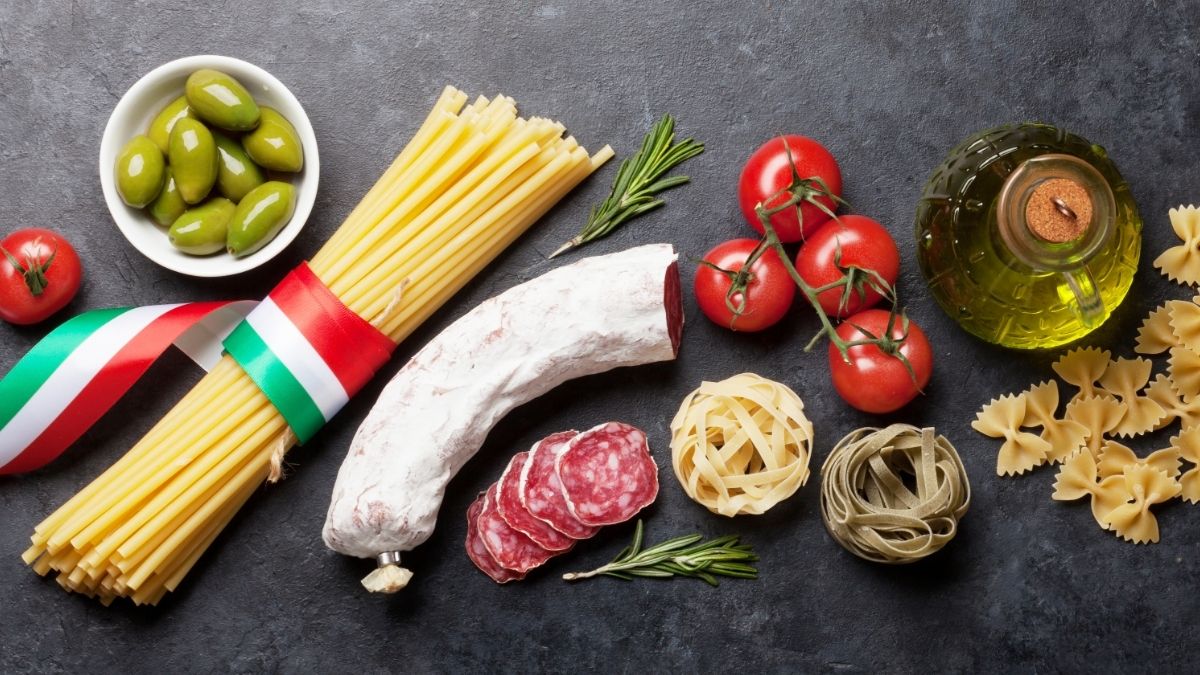

Italy does not have one cuisine. It has twenty, each belonging to its own region, its own history, and its own set of rules about what belongs on the plate. Most visitors eat well. The ones who know what to look for eat extraordinarily. Here are the dishes worth going out of your way for.
Spaghetti Carbonara
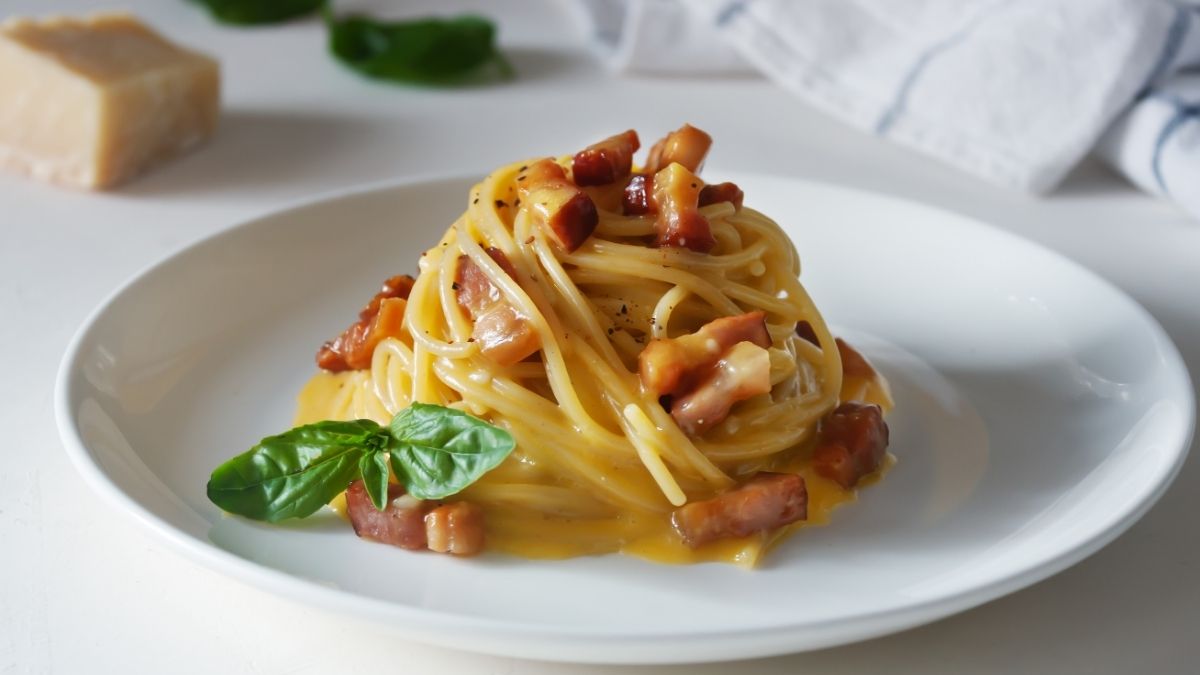
There is no cream in a real carbonara, and if you see it on the menu that way, walk out. This Roman classic is made with just pasta, guanciale, eggs, pecorino romano, and black pepper, the sauce created purely from the emulsion of fat and egg.
Its origins are still hotly debated in Italy, with some linking it to the Allied liberation of Rome in 1944, when American soldiers added their egg and bacon rations to local pasta. Eat it in Rome, where it belongs.
Cacio e Pepe
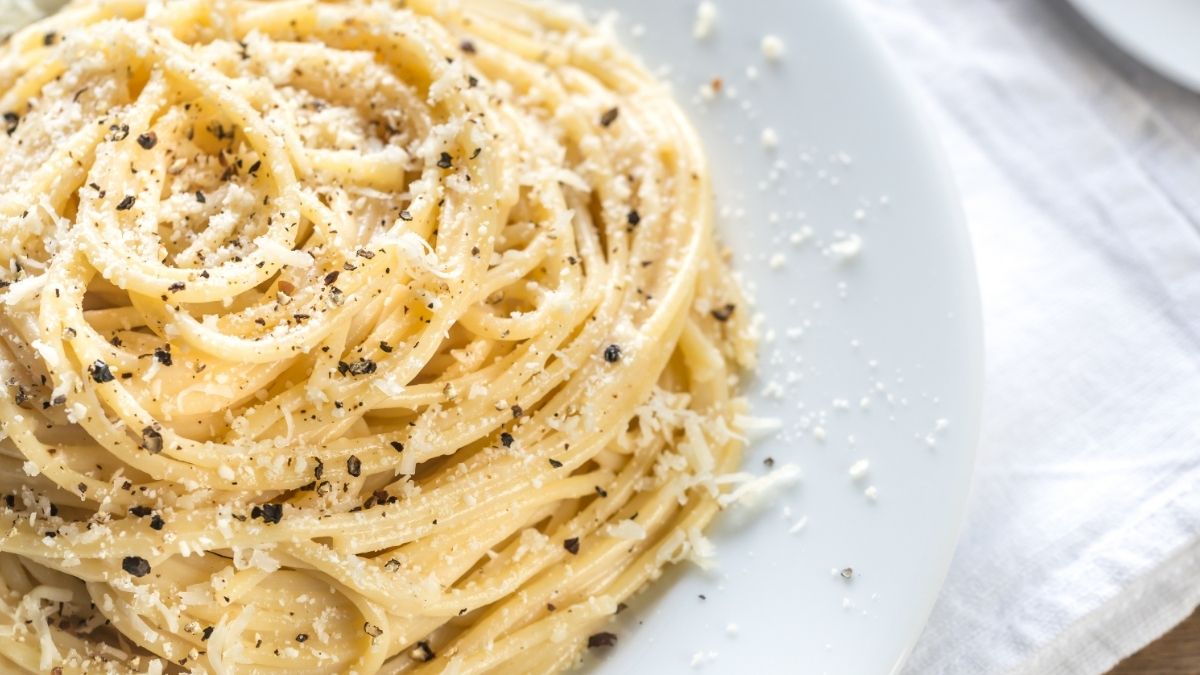
Carbonara’s quieter, older Roman cousin. Just three ingredients: pasta, pecorino romano, and black pepper. The sauce is created entirely from starchy pasta water and finely grated cheese, producing something silky and intensely flavored that most home cooks get completely wrong.
Tradition traces it to shepherds in the Apennine Mountains who carried dry pasta and pepper on long journeys in the hills.
Pizza Napoletana
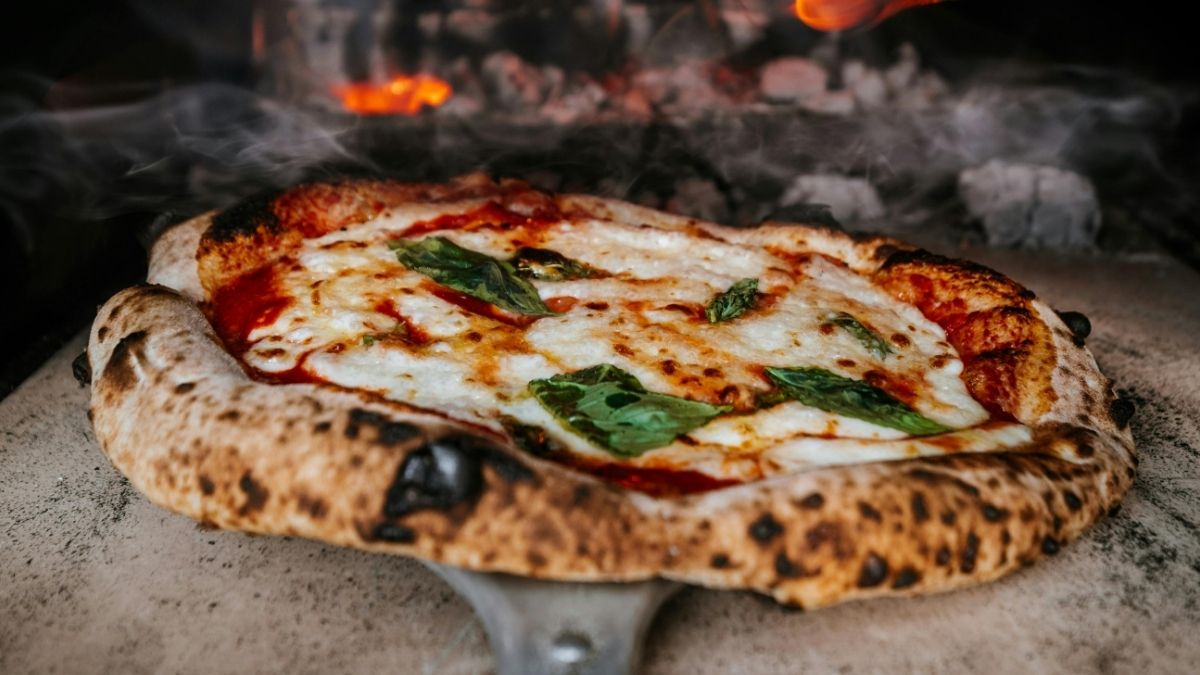
Naples is the birthplace of pizza, and Neapolitan pizza is now a UNESCO-recognized art form. The dough is soft and blistered from a wood-fired oven heated to around 900°F, the tomatoes are San Marzano, and the cheese is buffalo mozzarella. It is nothing like the pizza you have been eating back home, and that is entirely the point.
Arancini
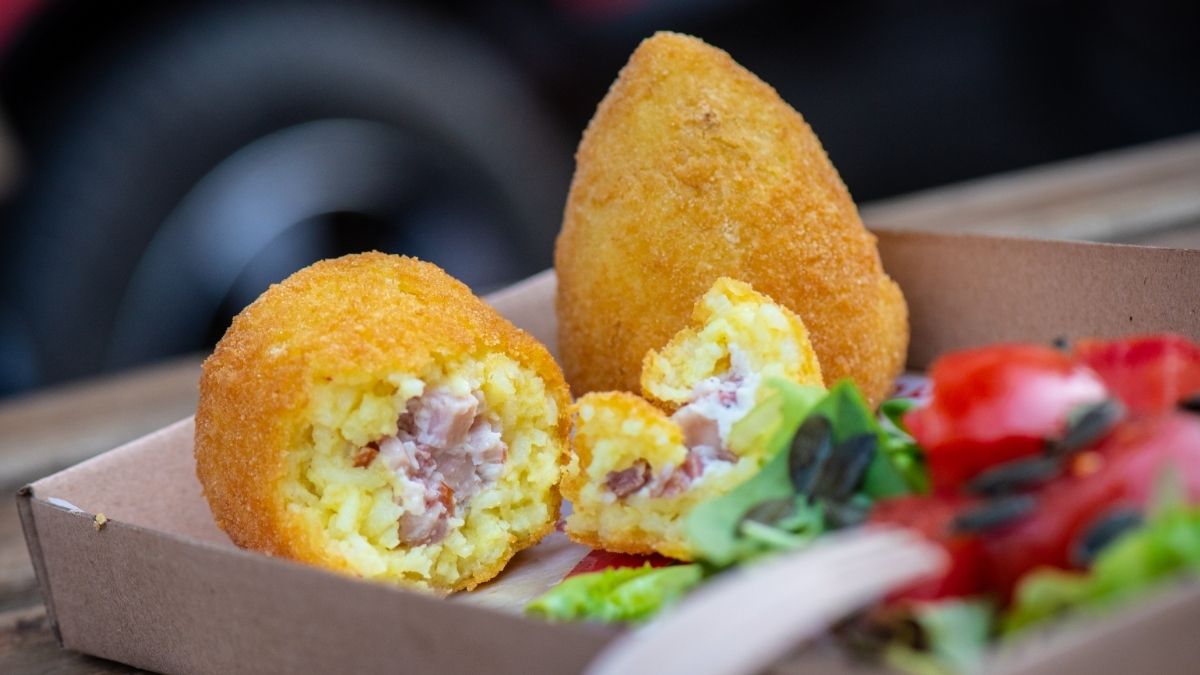
Sicily’s most beloved street food is a golden, deep-fried rice ball with a molten heart of ragù, mozzarella, and peas inside. The name means “little orange” in Italian, a nod to their color and shape. They are eaten standing up, out of paper, and are absolutely not a starter. They are a meal, a snack, and a reason to visit Sicily in their own right.
Bistecca alla Fiorentina
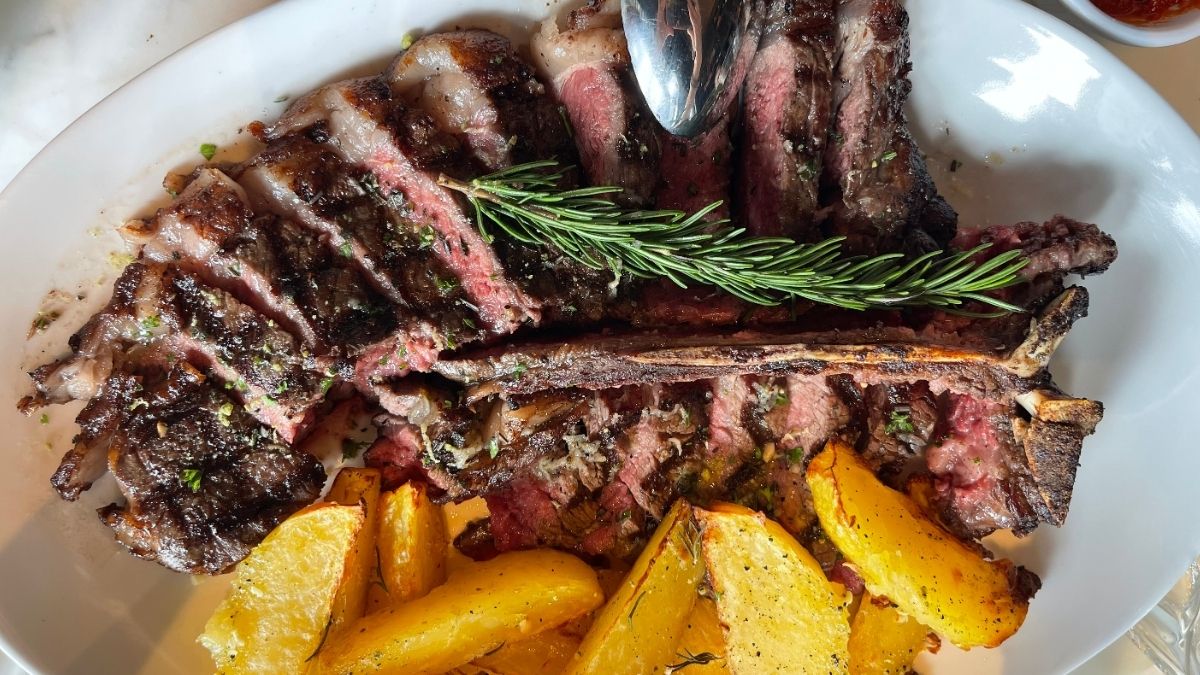
Florence’s answer to the question of what beef can truly be. This enormous T-bone steak comes from a Chianina cow raised in Tuscany, cut at least five centimeters thick, cooked over burning coals until just rare inside, and served simply with nothing but red Chianti alongside it.
It is always meant to be shared, and it is always meant to be slightly pink in the middle. Asking for it well-done is a minor local offense.
Risotto alla Milanese
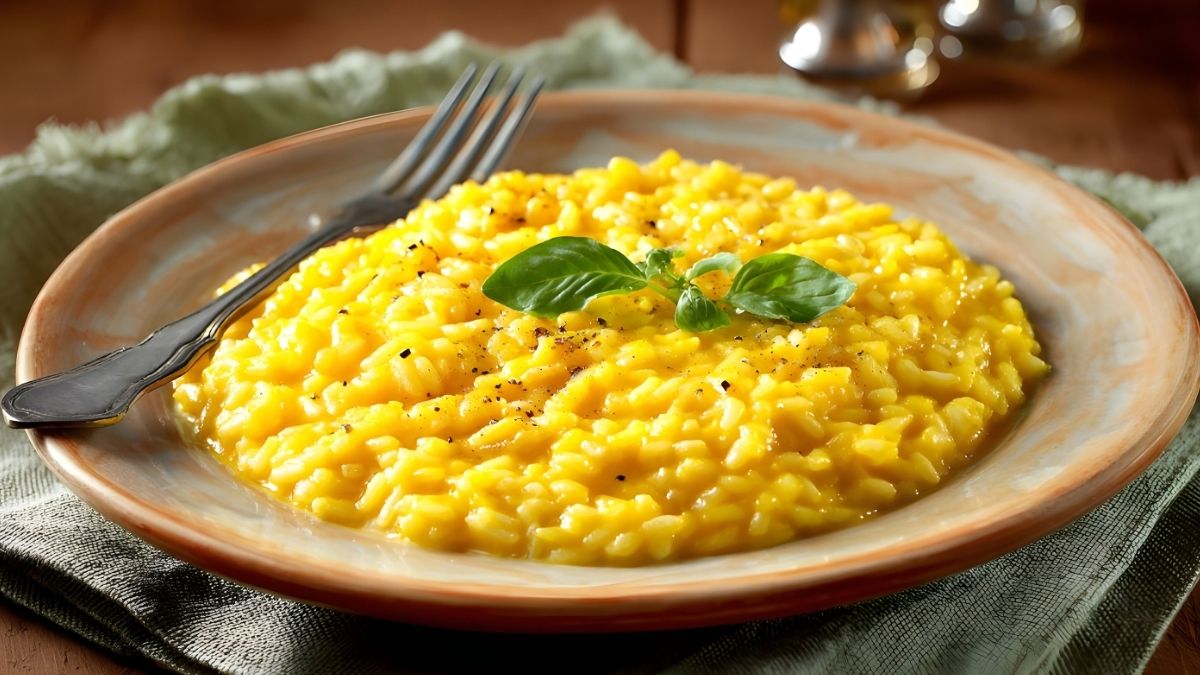
Northern Italy’s golden showpiece. This creamy Milanese risotto gets its distinctive color from saffron, stirred slowly into Arborio or Carnaroli rice along with butter, white wine, and Parmigiano-Reggiano.
It is rich, subtle, and nothing like any risotto you have had outside of Italy. Milan is where it belongs, and Milan is where it tastes best.
Ribollita
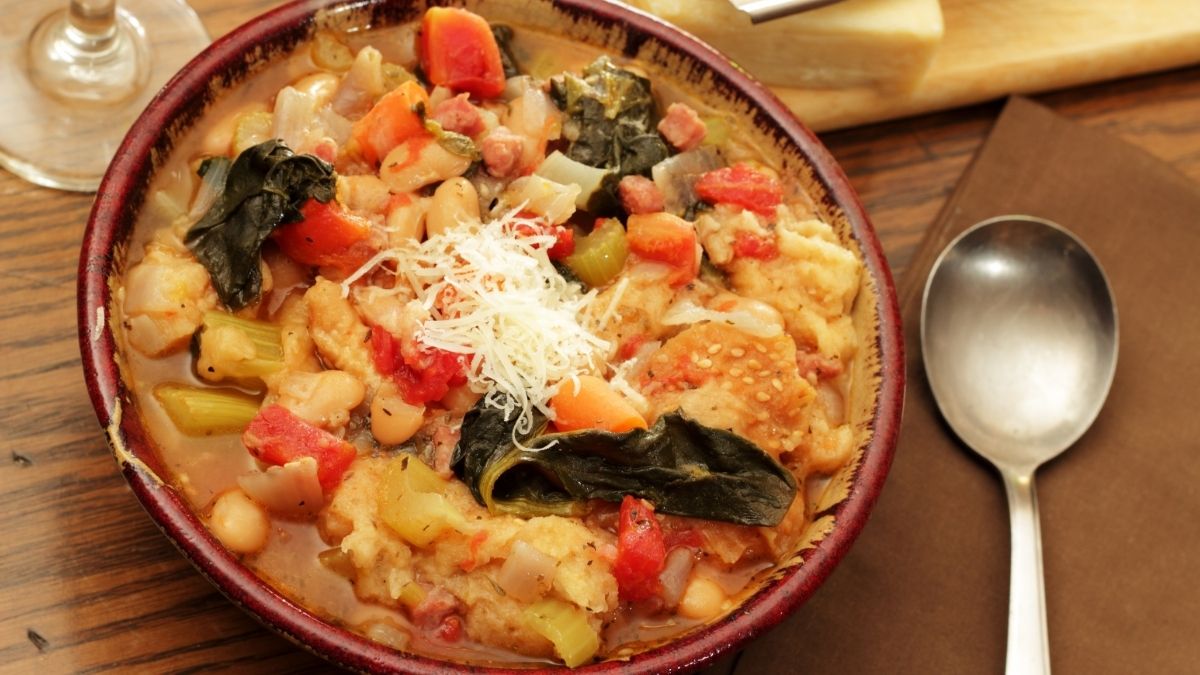
Tuscany’s great peasant dish and one of the most underrated soups in the world. Ribollita is a thick, bread-thickened vegetable and bean soup, traditionally made with stale bread and whatever was left in the kitchen.
The name means “reboiled,” because it was always better the second day. Warm, deeply savory, and completely ignored by most tourists, it is one of the most honest expressions of what Italian cooking actually is.
Tiramisu
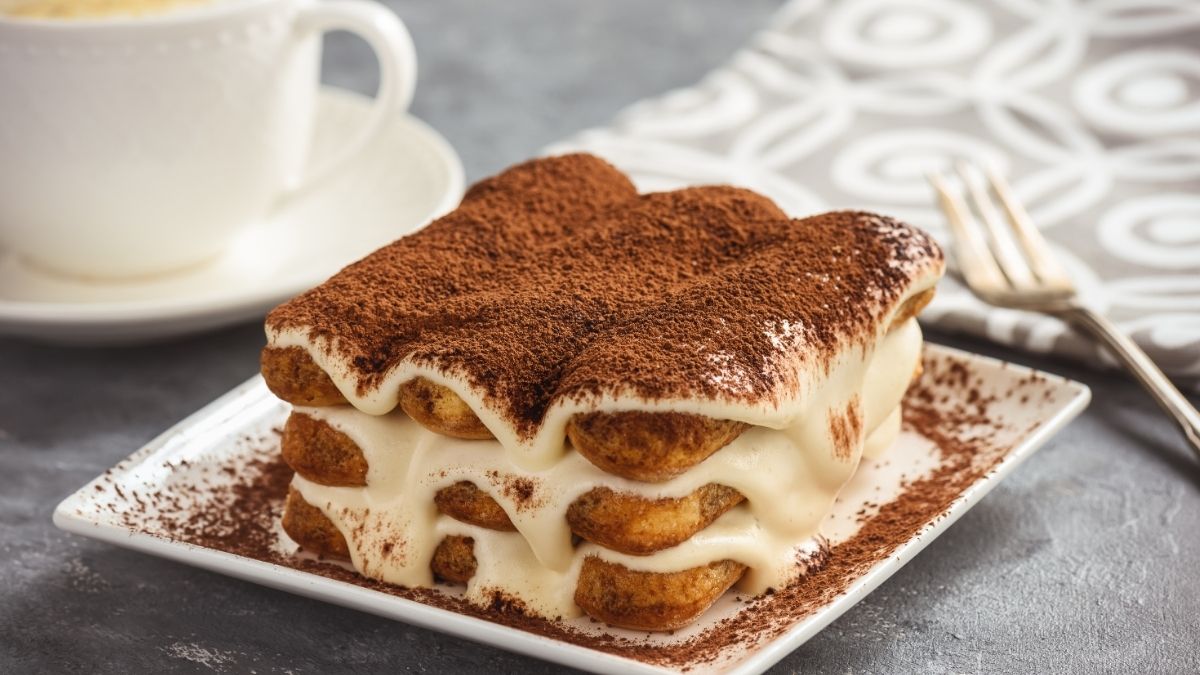
The world’s most imitated dessert was born in the Veneto region in the 1960s, most likely at a restaurant in Treviso. The authentic version is simply espresso-soaked ladyfingers layered with mascarpone and raw eggs, dusted with cocoa powder at the end.
No alcohol, no shortcuts. When it is made well in Italy it bears almost no resemblance to the versions exported to the rest of the world.
Gelato
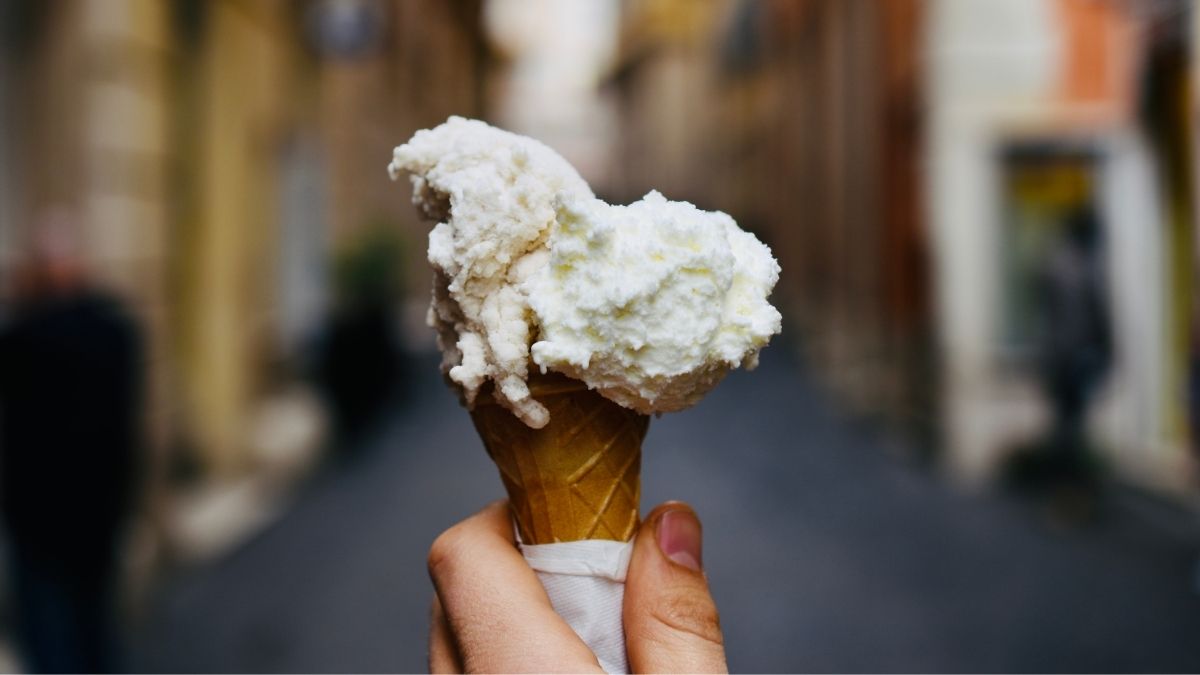
It looks like ice cream but it is made with less fat, less air, and less water, which means the flavor is more intense and the texture is denser and silkier. Every neighborhood in Italy has its own beloved gelateria, and locals will tell you exactly which one is worth the walk. Ask them. Then go twice.
RELATED ARTICLE: 15 Must-Try Italian Dishes You Didn’t Know About
