


Traveling to Spain? 10 Traditional Dishes You Must Try

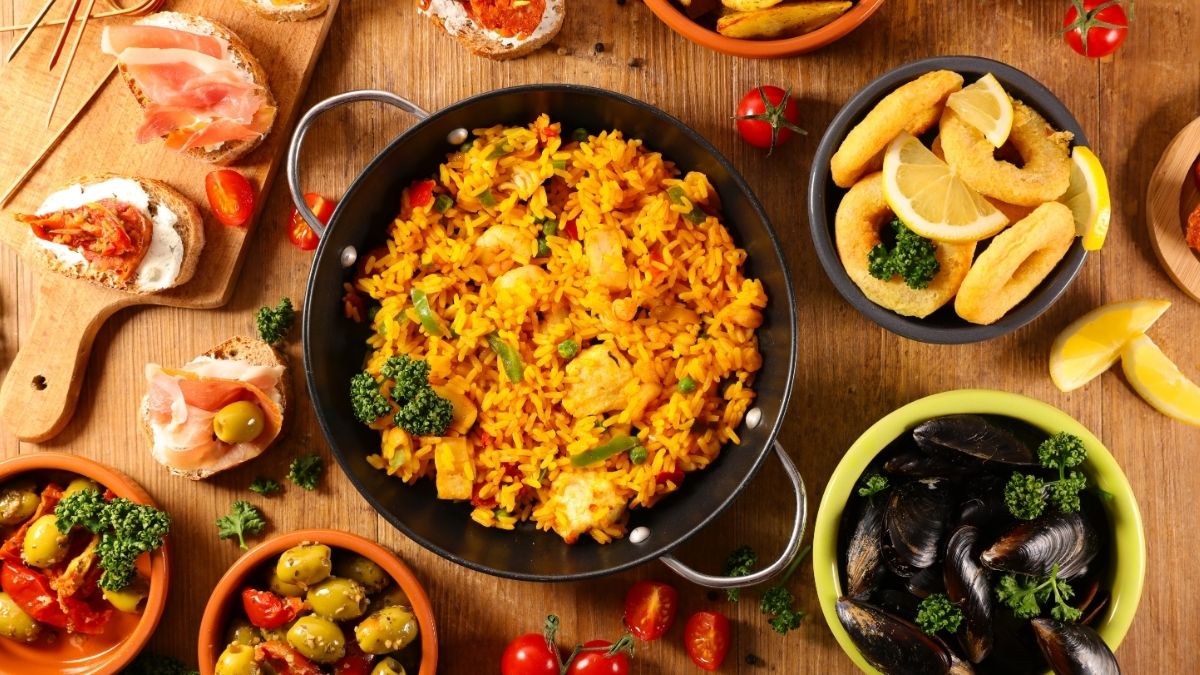

Spain is one of those rare places where the food alone is worth booking the flight for. From sizzling tapas bars in Madrid to beachside paella in Valencia, the country has a culinary identity so rich and so deeply regional that every meal feels like a story.
But with so many things on every menu, knowing where to start can feel overwhelming. Here are the ten dishes that absolutely cannot be skipped.
Paella
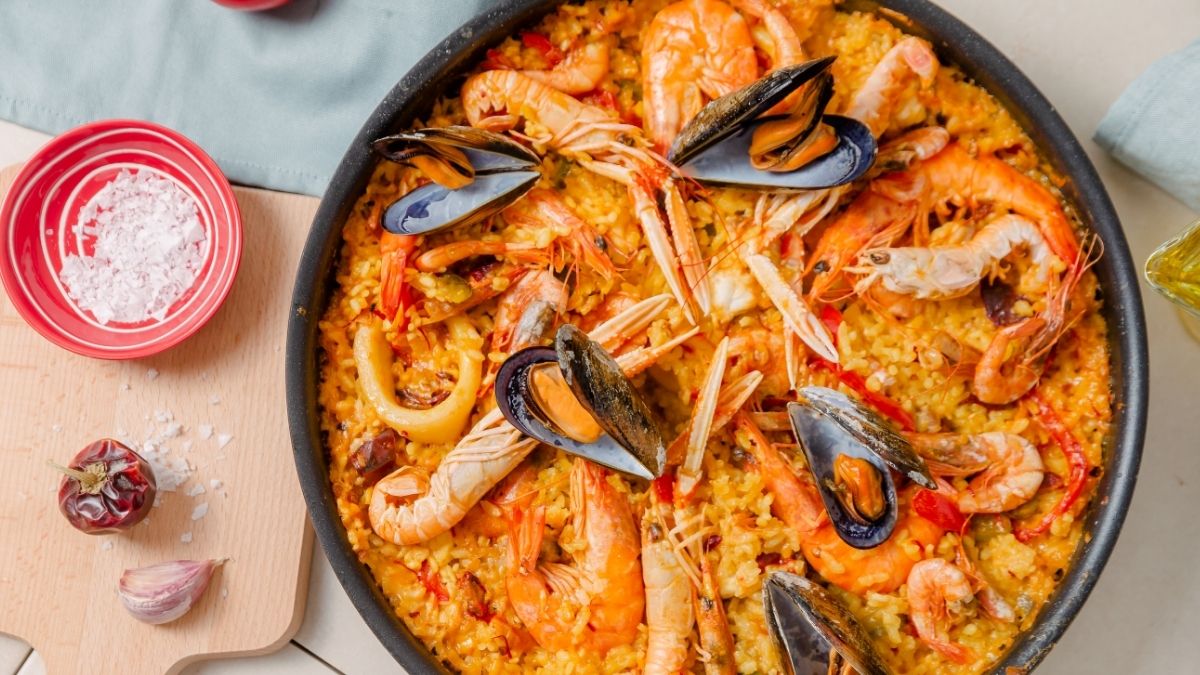
This is the one everyone has heard of, and yet most people outside Spain have never tasted a real one. Paella was born in the 15th century when Valencian farmers cooked rice over open fires using whatever was available, typically rabbit, chicken, snails, and green beans, not seafood. The seafood version came later.
Valencia is where it originated, and in 2021 the Valencian government granted Paella Valenciana official protected status to preserve its authenticity. If you want the real thing, go to Valencia and look for the crispy, caramelized layer of rice at the bottom of the pan called the socarrat. That is the part the locals fight over.
Tortilla Española
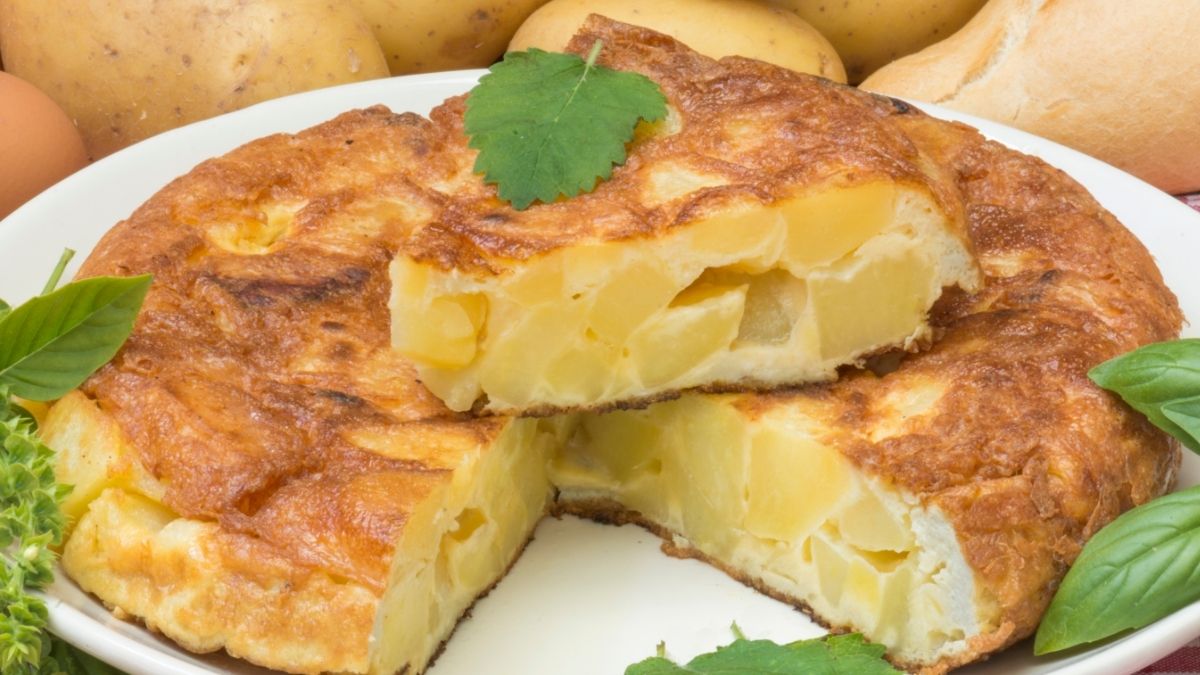
This is not a wrap. Tortilla española is a thick, slow-cooked omelette made with eggs, potatoes, and often onions, and it is one of the most argued-about dishes in the entire country. The debate over whether onion belongs in it is genuinely taken seriously by Spaniards.
The best kind is thick and moist, slightly underdone at the center, and found on pretty much every tapas bar counter in the country. In San Sebastián, Bar Néstor famously makes only two per day, and you need to arrive early to reserve a slice.
Jamón Ibérico
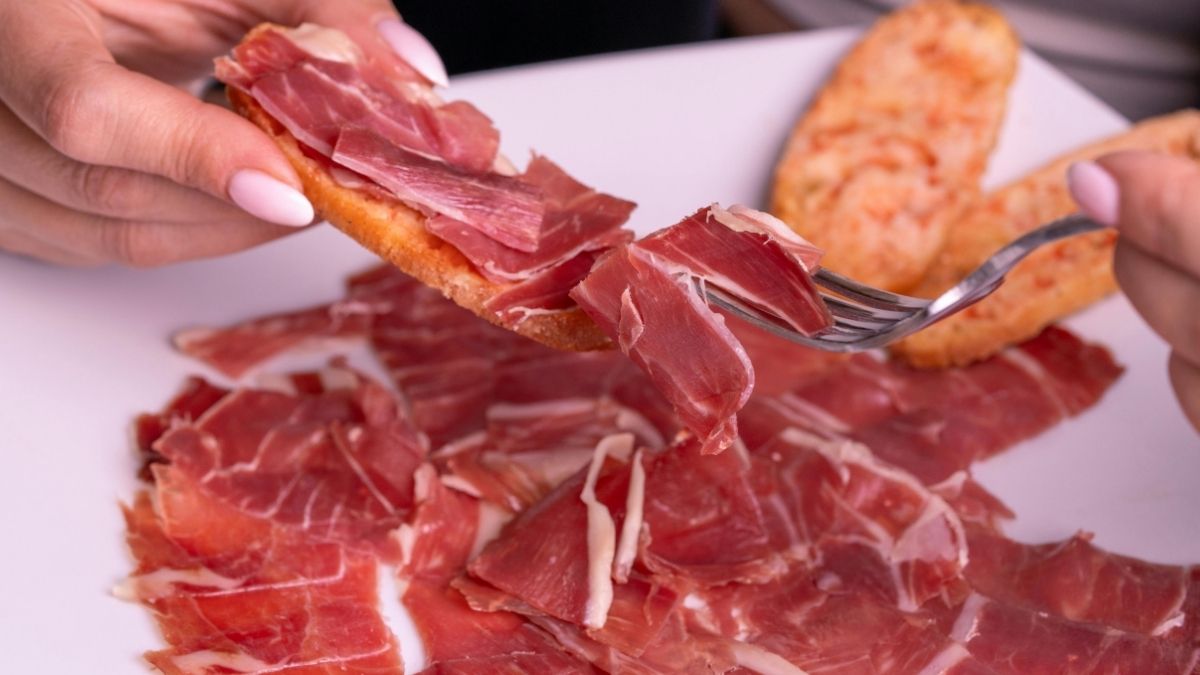
Those legs of cured ham hanging from the ceiling of every Spanish bar are not decoration. Jamón Ibérico comes from black Iberian pigs that roam freely and feed almost exclusively on acorns, and the best version, Jamón Ibérico de Bellota, can take three to five years to produce from pig to plate.
The flavor is nutty, silky, and deeply savory in a way that has no real equivalent anywhere else in the world. It is eaten thinly sliced, usually at room temperature, and it is best appreciated on its own with good bread and nothing else to distract you.
Patatas Bravas
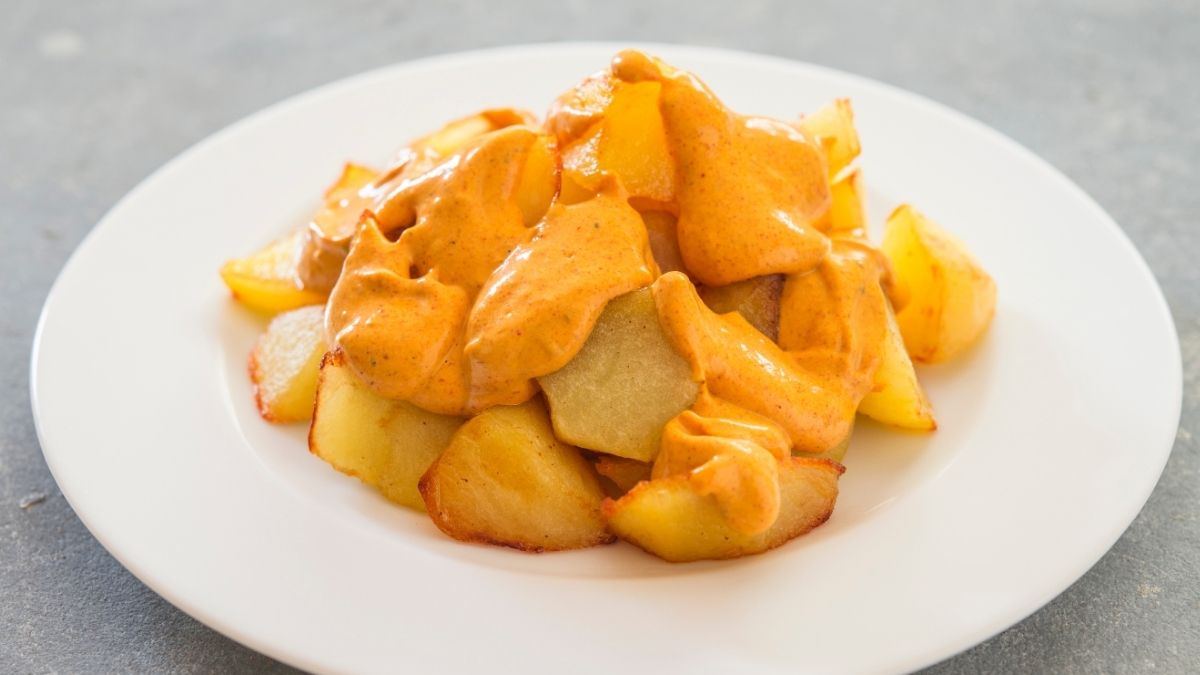
Originating in Madrid, patatas bravas are crispy fried cubes of potato served with a bold spicy tomato sauce and sometimes a creamy garlic aioli alongside. They are one of the most universally loved tapas in the country, and also one of the easiest ways to judge whether a bar knows what it is doing.
Every establishment does them slightly differently, and debating whose are better is basically a national sport. One Madrid bar, Docamar, has been perfecting their sauce for over 50 years.
Gazpacho
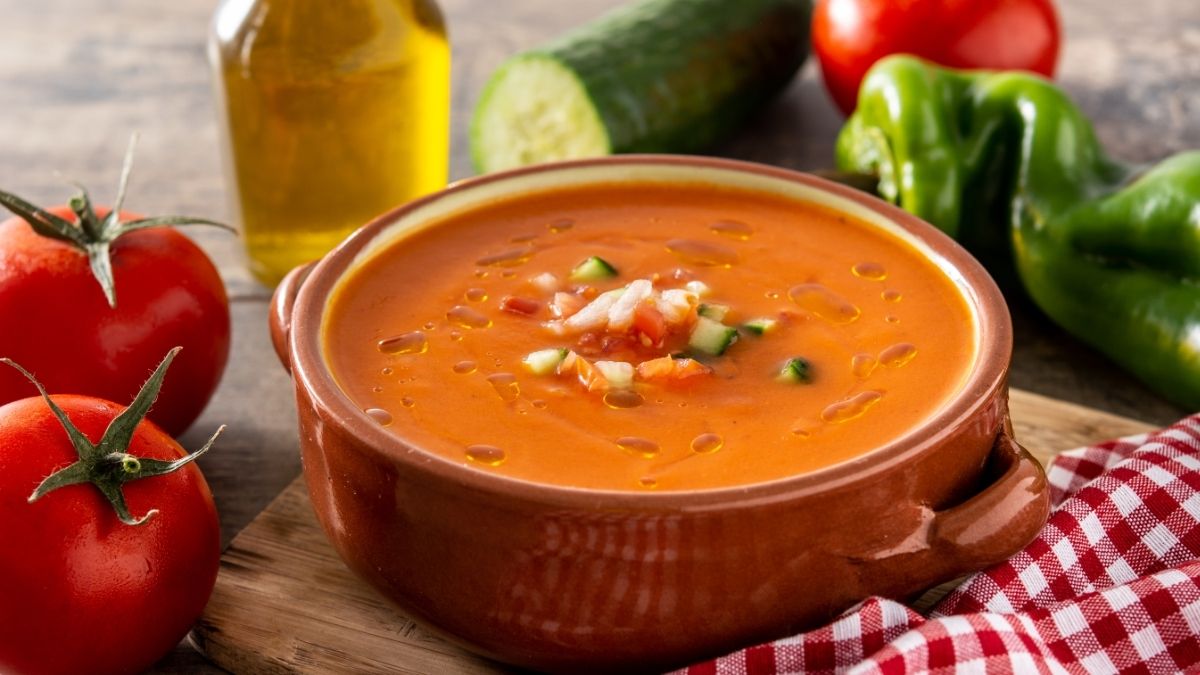
This cold tomato soup from Andalusia is made with ripe tomatoes, olive oil, garlic, cucumber, and peppers, blended until smooth and served chilled. It is the kind of dish that sounds too simple to be special until the first sip on a hot afternoon in Seville changes your mind entirely.
It is a symbol of Andalusian identity and is deeply tied to local festivals including Semana Santa. Many locals drink it straight from a glass rather than eating it with a spoon, and that is probably the right move.
Gambas al Ajillo
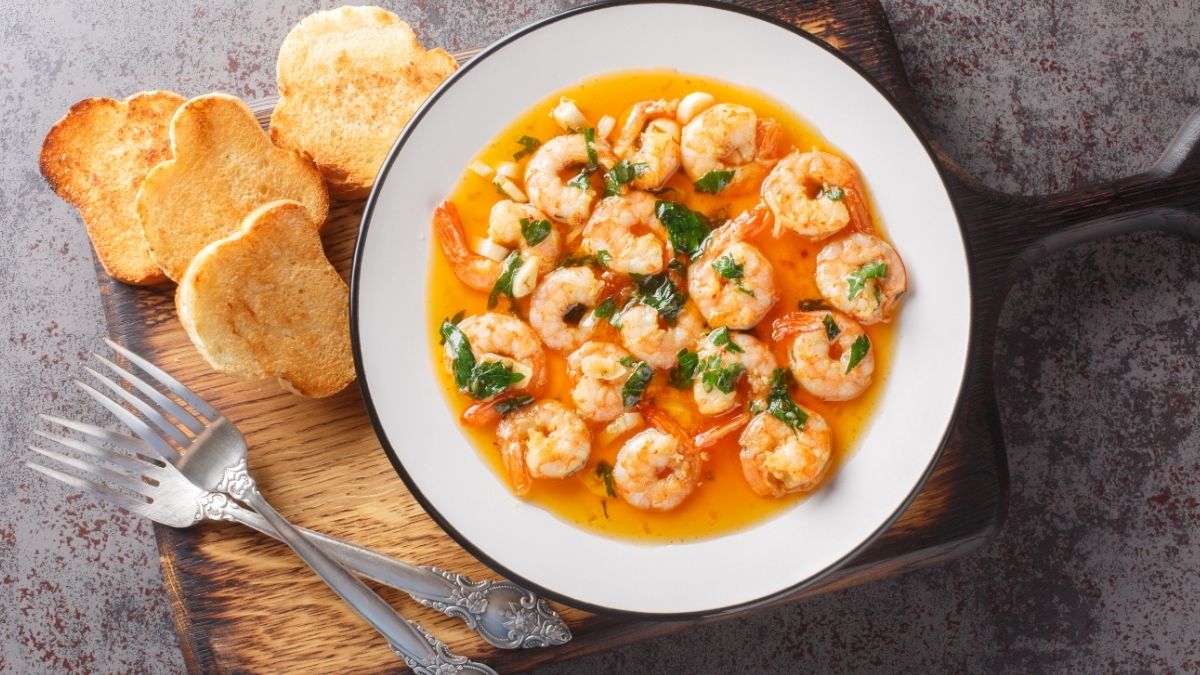
Prawns sizzling in olive oil with garlic and a touch of chili, served in the same scorching clay dish they were cooked in, with crusty bread on the side to mop up every drop of that golden, fragrant oil. This dish originated in Andalusia and has become one of the most beloved tapas across the entire country.
It takes about five minutes to make and somehow tastes like it took hours. The key is the quality of the prawns and the generosity of the garlic, and Spanish bars never skimp on either.
Pulpo a la Gallega
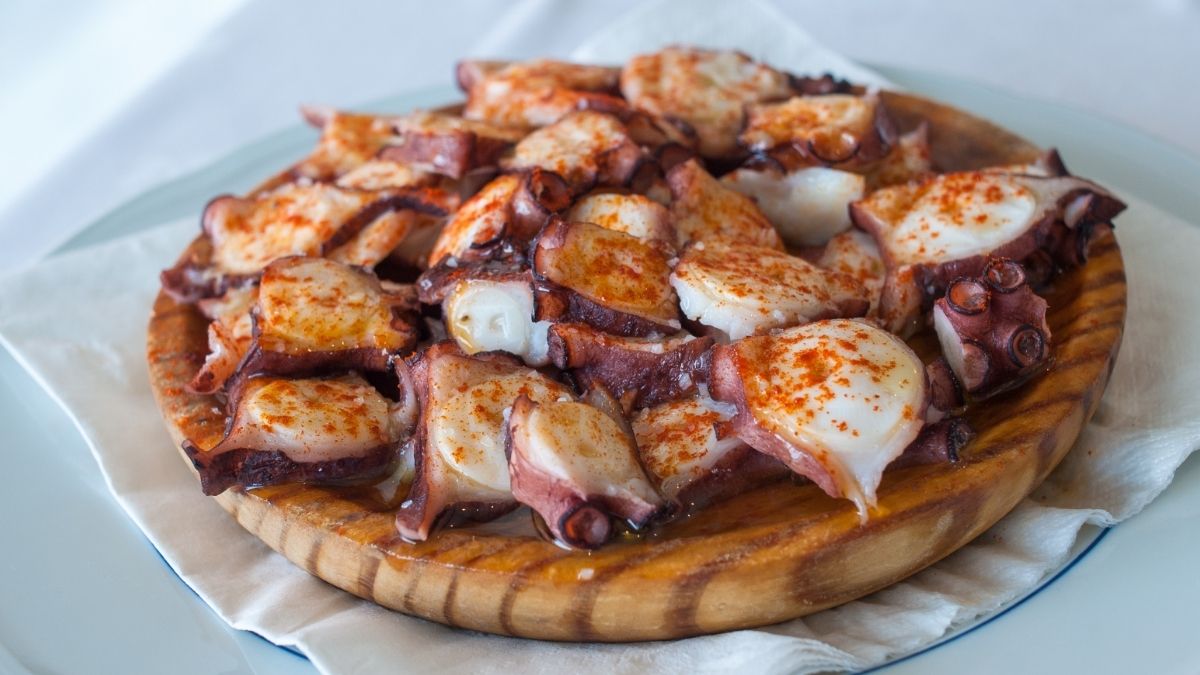
This dish comes from Galicia in northwestern Spain, where specialists called polbeiras have been preparing octopus at rural fairs and festivals for centuries. The octopus is slow-cooked until tender, sliced, and served over boiled potatoes with a generous drizzle of olive oil, coarse sea salt, and sweet smoked paprika.
The combination of sweet, yielding octopus and the earthy warmth of paprika is one of the most distinctive flavor pairings in all of Spanish cuisine. If you are anywhere near Galicia, this is non-negotiable.
Croquetas
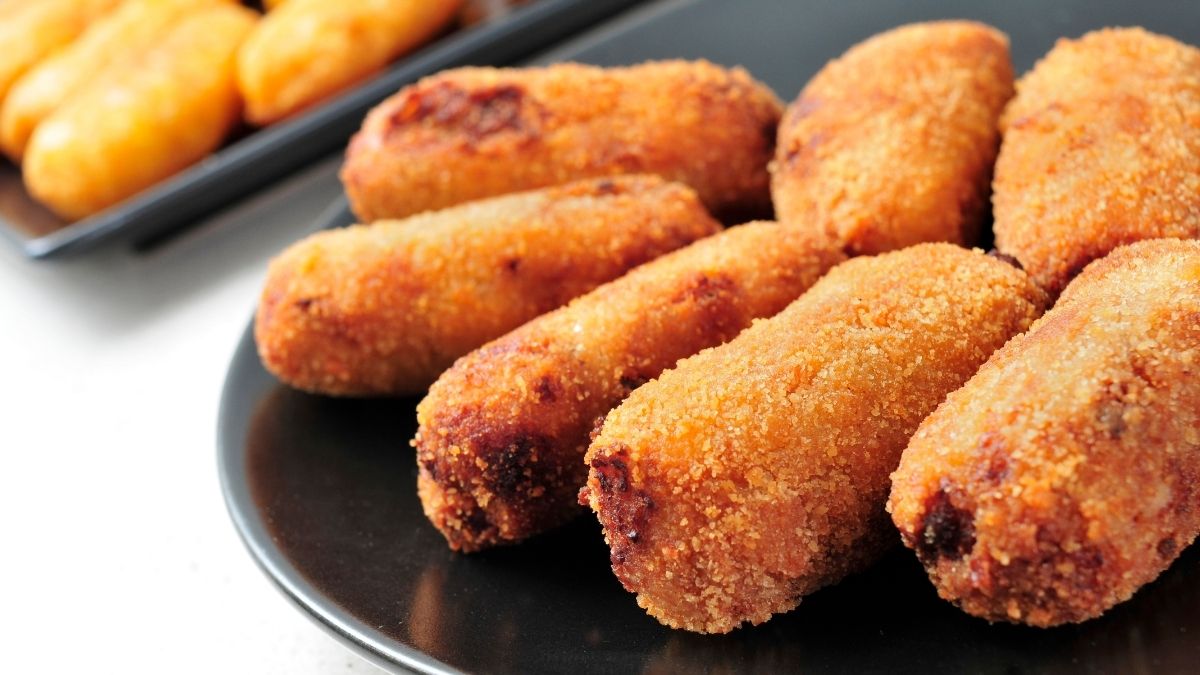
Every bar and restaurant in Spain has its own version of croquetas, and each one is slightly different. At their core they are creamy béchamel mixed with a filling, usually jamón, chicken, or salt cod, rolled into small cylinders and fried until golden and crisp on the outside.
The contrast between the crunchy shell and the molten, savory interior is the kind of thing that makes it impossible to eat just one. Ham croquetas are the classic, and the most popular variety on menus across the country.
Churros con Chocolate
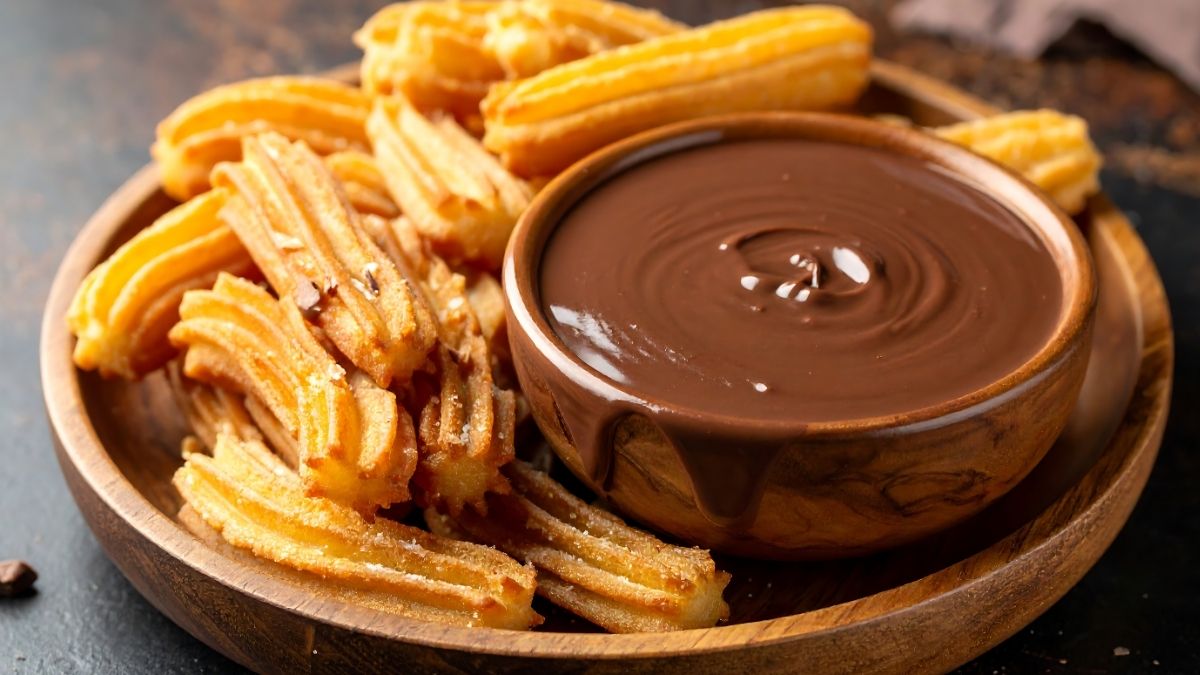
Churros are not a theme park snack in Spain. They are a genuine cultural ritual, eaten for breakfast, as an afternoon treat, or at the end of a long night out. Deep-fried dough sticks served alongside a thick, dark cup of drinking chocolate for dipping is a combination so deeply embedded in Spanish daily life that dedicated churrerías open in the early hours specifically for night owls heading home.
In Madrid, Chocolatería San Ginés is considered the institution for this experience, and there is almost always a queue outside, at any hour.
Crema Catalana
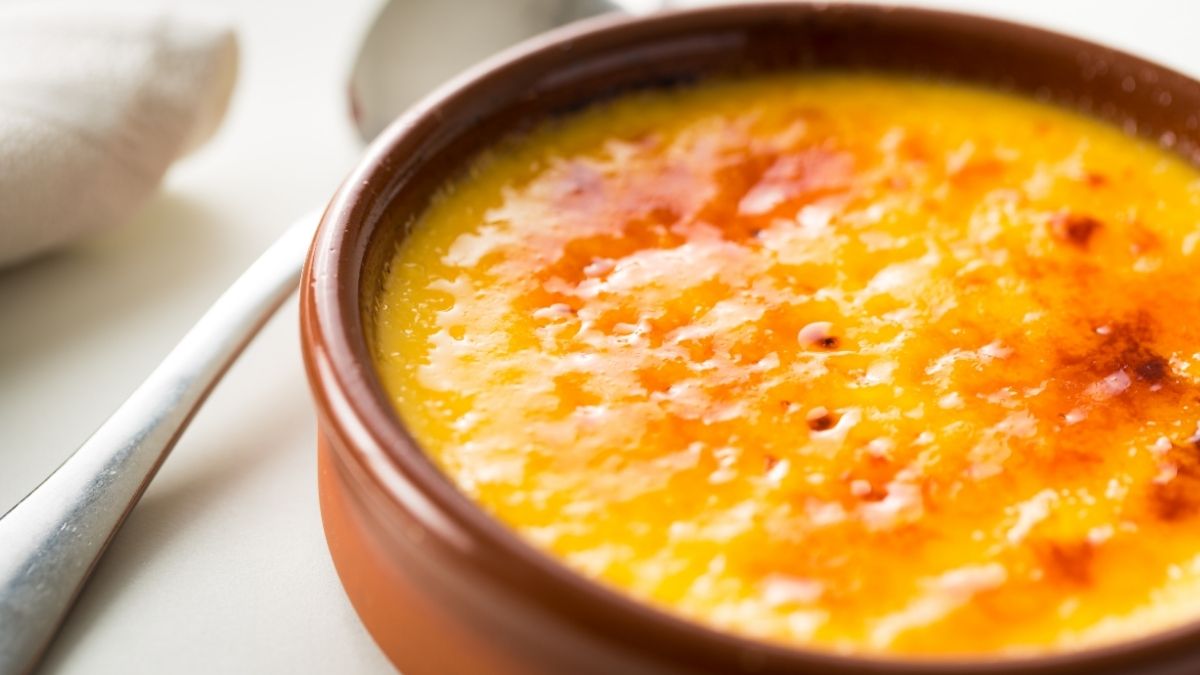
Spain’s answer to crème brûlée actually predates the French version, originating in Catalonia and made with milk, egg yolks, and a signature scent of cinnamon and lemon zest that sets it firmly apart from its French cousin. The top is caramelized with a torch until it forms a thin, crackling layer of burnt sugar.
The contrast between the crisp surface and the silky cream underneath is irresistible, and it is traditionally served in small earthenware bowls that keep it cold just long enough to make the whole thing feel like a perfectly designed dessert. In Barcelona it is everywhere, and that is exactly where it belongs.
Spanish food is not just about eating. It is about slowing down, ordering another round of tapas, and staying at the table long after the plates are empty. Go hungry, go curious, and let the menu do the rest.
