


The 7 Foods Sitting in Your Kitchen That Are Making Your Skin Look Older

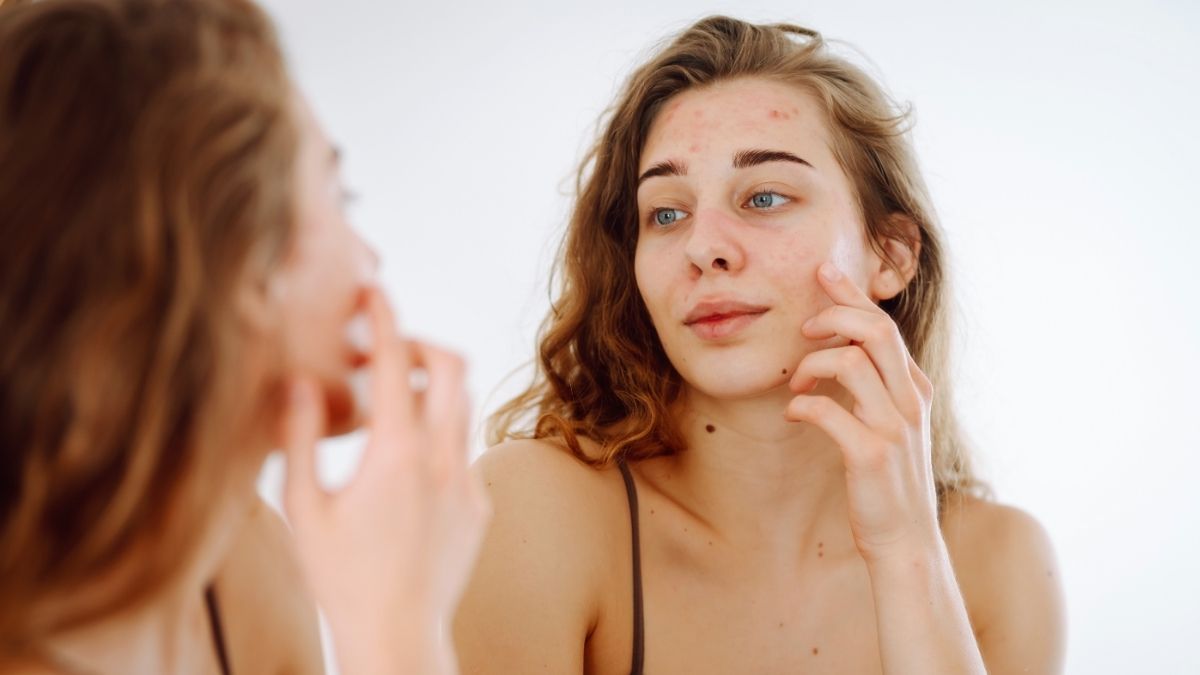

You cleanse, you moisturize, you SPF religiously. But if your skin still looks tired, dull, or older than it should, the answer might not be in your bathroom cabinet. It might be on your plate. Dermatologists have been pointing to the same culprits for years, and some of them are things most people eat every single day without a second thought.
Sugar
This one hurts, but it is unavoidable. Excess sugar consumption triggers a process called glycation, where sugar molecules latch onto collagen and elastin proteins in the skin and form compounds known as Advanced Glycation End Products, or AGEs.
The result is skin that becomes stiffer, less elastic, and significantly more prone to wrinkles and sagging.
Dermatologist Dr. Simran Sethi explains that excess refined sugar damages these structural proteins and reduces the skin’s ability to stay hydrated, making it thinner and weaker over time.
White Bread and Refined Carbs
White bread, pasta, and pastries behave almost identically to sugar once they enter the body. The lack of fiber means the carbohydrates are absorbed almost instantly, causing a rapid spike in blood sugar that triggers inflammation and activates enzymes that break down collagen.
Regularly eating these foods accelerates glycation in the same way refined sugar does, essentially fast-tracking the breakdown of the scaffolding that keeps skin firm.
Alcohol
Alcohol is one of the most well-documented enemies of a youthful complexion. Board-certified dermatologist Dr. Doris Day explains that alcohol raises blood sugar levels, fuels the glycation process, and simultaneously dehydrates the skin, meaning it attacks collagen from multiple directions at once.
The dehydration alone is enough to make every fine line and wrinkle look dramatically more pronounced, and over time the damage accumulates in ways that no moisturizer can fully reverse.
Potato Chips and Salty Snacks
Salt does something sneaky to skin that most people do not expect. Dr. Sethi notes that through osmotic pressure, salt draws water directly out of skin cells, leaving them dehydrated, cracked, and prone to peeling. Potato chips deliver a double blow because they also contain significant amounts of sugar alongside all that salt.
The combination of elevated salt and glucose in the body cross-links with collagen and elastin, hardening these proteins and making skin weaker and less hydrated with every bag.
Margarine and Trans Fats
Margarine has long been positioned as a healthier alternative to butter, but dermatologists beg to differ. Skincare expert Robyn Newmark explains that most margarine is made with partially hydrogenated oils, one of the most common sources of trans fats, and that these trans-fatty acids make skin more vulnerable to UV damage while also causing chronic inflammation that speeds up wrinkle formation.
Fried Foods
Deep frying generates free radicals at extremely high temperatures, and those free radicals cause oxidative damage to skin cells that directly accelerates the aging process. Regularly eating fried foods also contributes to systemic inflammation that shows up visibly in the skin as redness, puffiness, premature sagging, and discoloration.
Dermatologist Dr. Enrizza P. Factor confirms that the damaged skin proteins from fried food consumption result in increased and premature wrinkles over time.
Processed Cereals and Sugary Breakfast Foods
Most breakfast cereals seem innocent enough, but many of them are among the most sugar-dense foods in the supermarket. Dr. Sethi warns that the heavy amounts of refined sugar in processed cereals cause intrinsic damage to collagen and elastin, reducing the skin’s integrity and elasticity and making it far more prone to dehydration and wrinkling.
Starting your day this way essentially puts your skin in a glycation spiral before the morning is even over.
None of this means you need to live a joyless, chip-free existence. But if your skincare routine is not delivering the results you expected, the answer might simply be a closer look at what is happening in the kitchen, because what you eat shows up on your face far more reliably than most people realize.
