


This Traditional French Method Guarantees Perfectly Juicy Chicken Every Time

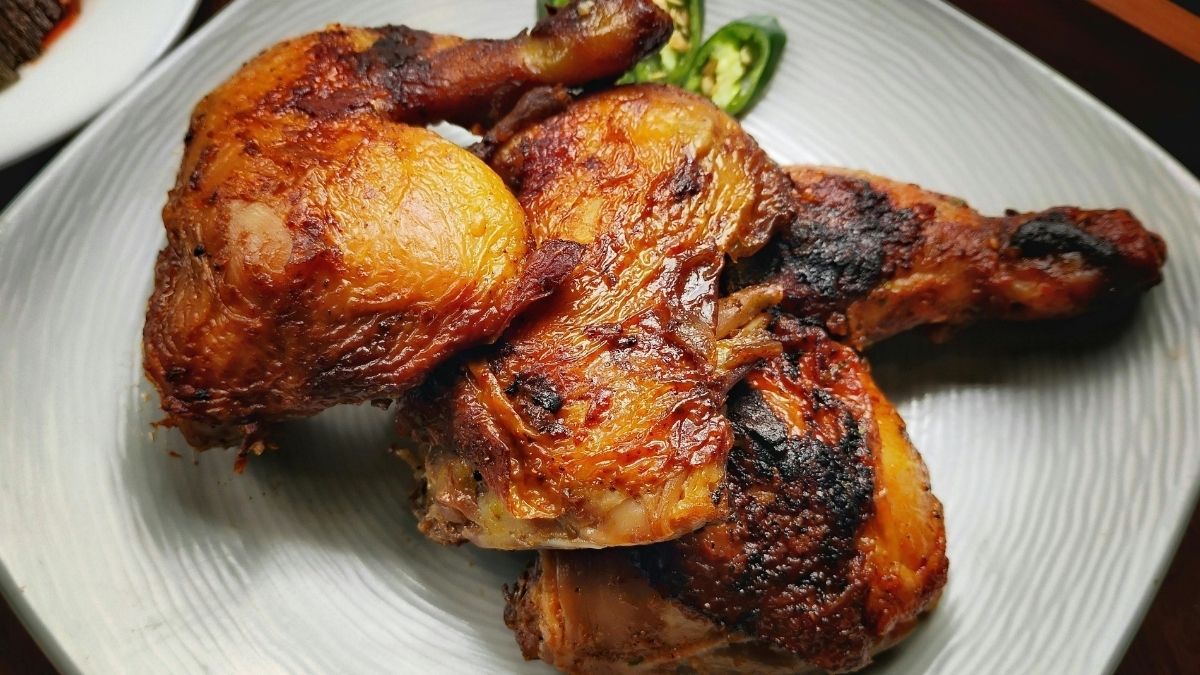

If your chicken comes out dry more often than you would like to admit, you are not alone, and you are probably not doing anything wrong. The real problem might simply be the way you are cooking it.
There is a technique that French chefs have quietly relied on for centuries, and once you try it, the days of dry, rubbery chicken are completely over. It is called “en papillote”.
A Technique With Centuries of History
This method has its roots in medieval France, where it was originally used to cook delicate fish and seafood for the aristocracy. It eventually became a staple of haute cuisine, where perfectly wrapped parcels were brought to the table and dramatically cut open, releasing clouds of aromatic steam in front of impressed dinner guests.
The technique dates back to at least the 17th century, and versions of it have appeared in cultures all over the world, from banana leaf wrapping in Southeast Asia to cornhusk cooking in Latin America. The French, however, gave it the name that stuck.
How It Actually Works
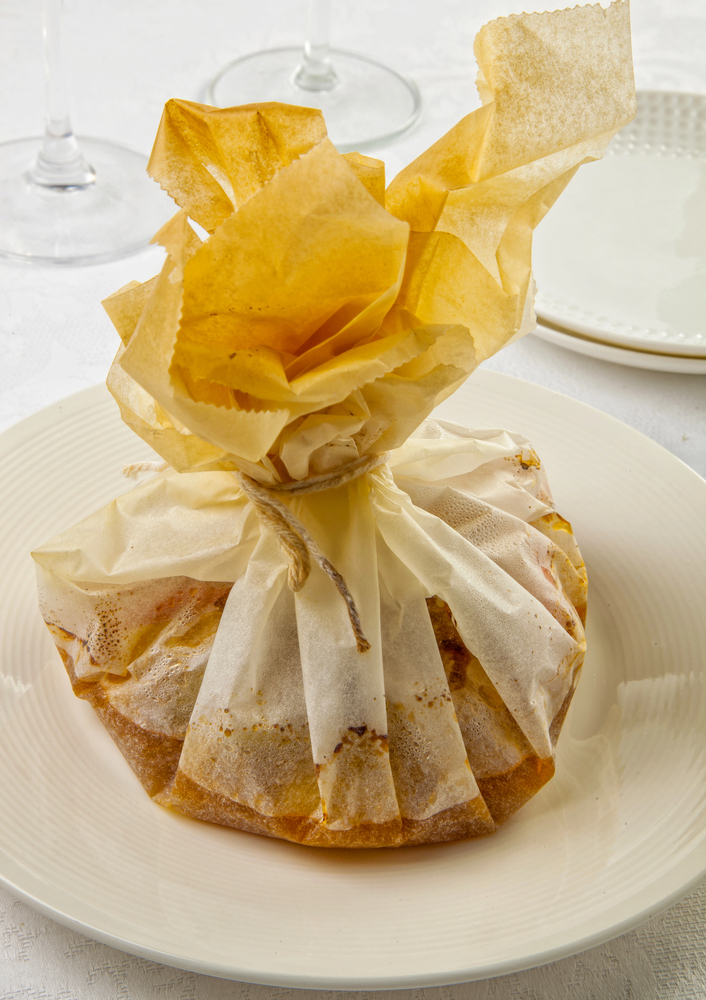
The idea is beautifully simple. You place your chicken on a piece of parchment paper along with herbs, vegetables, and a splash of something liquid, then seal it into a tight little parcel and put it in the oven.
The sealed pouch traps all of the natural moisture inside and creates steam that cannot escape, which means your chicken is essentially roasting and poaching at the same time.
By sealing the chicken inside the parchment, every drop of juice that would normally evaporate into your oven stays locked in and infuses right back into the meat, taking every herb and flavoring along for the ride.
What to Put Inside the Parcel
This is where it gets fun. You can add lemon juice, white wine, fresh herbs, cream-based sauces, garlic, bay leaves, or sliced vegetables, and everything melds together in that sealed pocket in a way that open-pan cooking simply cannot replicate.
Vegetables like red peppers, onions, asparagus, mushrooms, and tomatoes all work beautifully. Larger vegetables should go underneath the chicken while quicker-cooking ones like mushrooms and cherry tomatoes sit on top.
The Only Rules You Need to Know
Use parchment paper, not wax paper. Wax paper can melt in the oven and is not heat-resistant, while proper parchment handles high heat without any issue. Foil works perfectly well too if that is what you have on hand.
Flatten your chicken to an even thickness before it goes into the parcel. Thinner, even pieces cook faster and more uniformly, and a single chicken breast at a good even thickness will be done in about 20 minutes at 425 degrees Fahrenheit.
The parcel is ready when it has puffed up and is just beginning to brown at the edges.
Make sure the seal is genuinely airtight. Any steam that escapes is moisture and flavor that is leaving the parcel, which is the exact opposite of what you want.
Even Martha Stewart Swears by It
This technique is not just for restaurant kitchens. Martha Stewart has called this parchment method her go-to for cooking poultry, describing the results as spectacular and praising how it locks in moisture without requiring any basting or fuss at all.
The finished chicken is not only delicious on its own but works perfectly shredded into tacos, stirred through pasta, or tossed over salads, which means one simple technique covers practically every chicken dinner you will ever need to make.
Centuries of French culinary wisdom, a roll of parchment paper, and about 20 minutes in the oven. That is genuinely all it takes to stop complaining about dry chicken forever.
RELATED ARTICLE: 5 Totally Different Dinner Recipes That Start with Boneless Chicken Thighs
