


Chia Seeds vs Flaxseeds for Digestion— Nutritionists Finally Settle the Debate

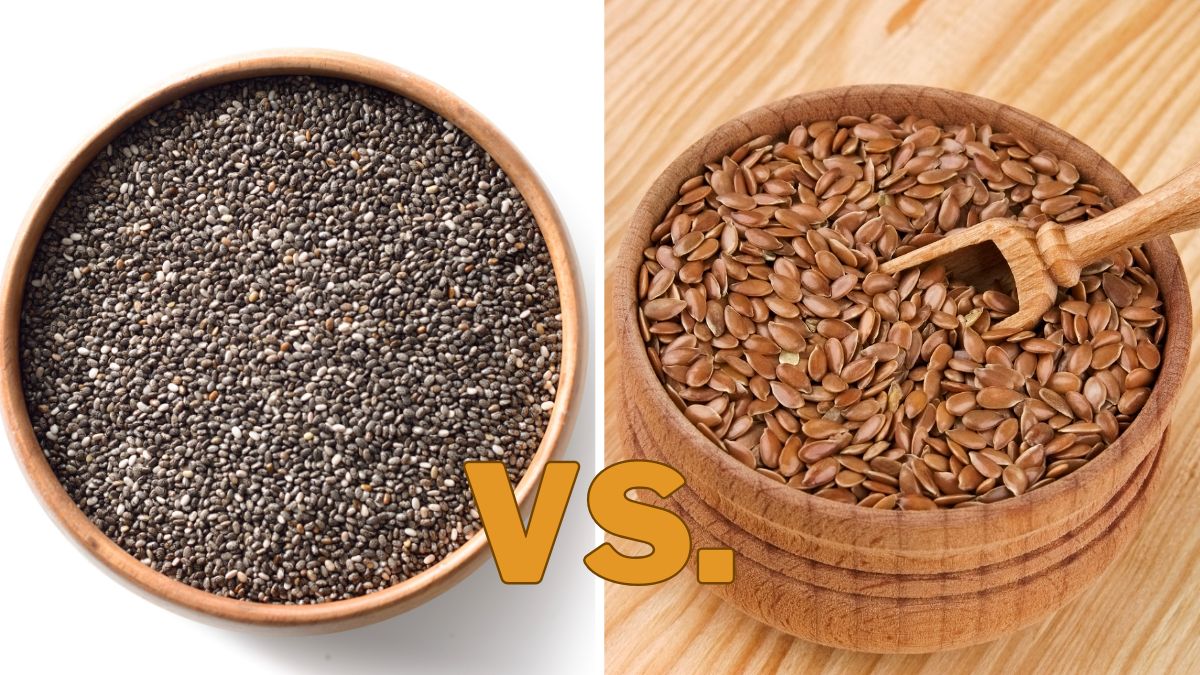

You have seen them both on the wellness shelf. You have added them both to smoothies without fully understanding what they actually do. And if your gut has been sending signals lately, the answer to which one to reach for might finally be clear.
These two tiny seeds get lumped together constantly, but they work differently inside your digestive system. Knowing the difference could genuinely change how you feel day to day.
They Both Help, But in Different Ways
Registered dietitian Natalie Rizzo told TODAY that chia seeds and flaxseeds have very similar nutrition profiles overall, both offering protein, healthy fat, and fiber. But when it comes specifically to digestion, each one has its own mechanism, and they are not interchangeable.
The short version is this: chia seeds slow things down and hydrate, while flaxseeds get things moving. Neither is better in a universal sense, but one is almost certainly better for your specific situation.
What Chia Seeds Actually Do in Your Gut
Chia seeds have a superpower that flaxseeds do not. Dietitian Nazima Allidina explained that chia seeds absorb up to 10 to 12 times their weight in water, forming a gel inside the digestive tract. That gel slows digestion, supports blood sugar balance, and keeps you hydrated from the inside out.
A 2025 randomized clinical trial published in the American Journal of Gastroenterology compared chia seeds against psyllium and the common laxative PEG for treating chronic constipation, giving them serious credibility as a natural therapeutic option rather than just a wellness trend.
What Flaxseeds Actually Do in Your Gut
Flaxseeds work differently. According to Allidina, flaxseeds specifically support gut motility, making them the stronger choice for people who struggle with constipation. They contain a balance of both soluble and insoluble fiber, where the soluble fiber softens stool and the insoluble fiber adds bulk and gets things moving.
A study published in the Journal of Multidisciplinary Healthcare found that flaxseed treatment significantly increased defecation frequency and decreased abdominal distension in elderly patients with chronic constipation, with one month of flaxseeds visibly improving gut microbiota composition alongside the physical symptoms.
The Crucial Rule About Flaxseeds Nobody Tells You
This is where most people go wrong. Both Allidina and dietitian Vicki Koenig agree that flaxseeds must be ground before eating to actually work. Whole flaxseeds can pass right through the digestive tract undigested, meaning you lose the benefits of the fiber, lignans, and omega-3 fatty acids entirely.
Ground flaxseed can be stirred into oatmeal, yogurt, smoothies, or baked goods.
Chia seeds, by contrast, can be eaten whole or ground. Soaking them in liquid first gives you the gel effect, which is what makes the internal shower drink concept genuinely functional rather than just a trend.
The Simple Rule for Choosing Between Them
If your issue is bloating, sluggishness after meals, or blood sugar crashes, chia seeds are your friend. If your issue is constipation, infrequent bowel movements, or a gut microbiome in need of a prebiotic boost, ground flaxseeds are the better tool.
A 2025 study confirmed that both seeds feed beneficial gut bacteria, but flaxseeds showed stronger effects on gut microbiota diversity after fermentation.
The honest answer is that using both, each for what it does best, beats choosing one and ignoring the other entirely.
