


Olive Oil vs. Butter for Cooking — Here’s What Actually Matters

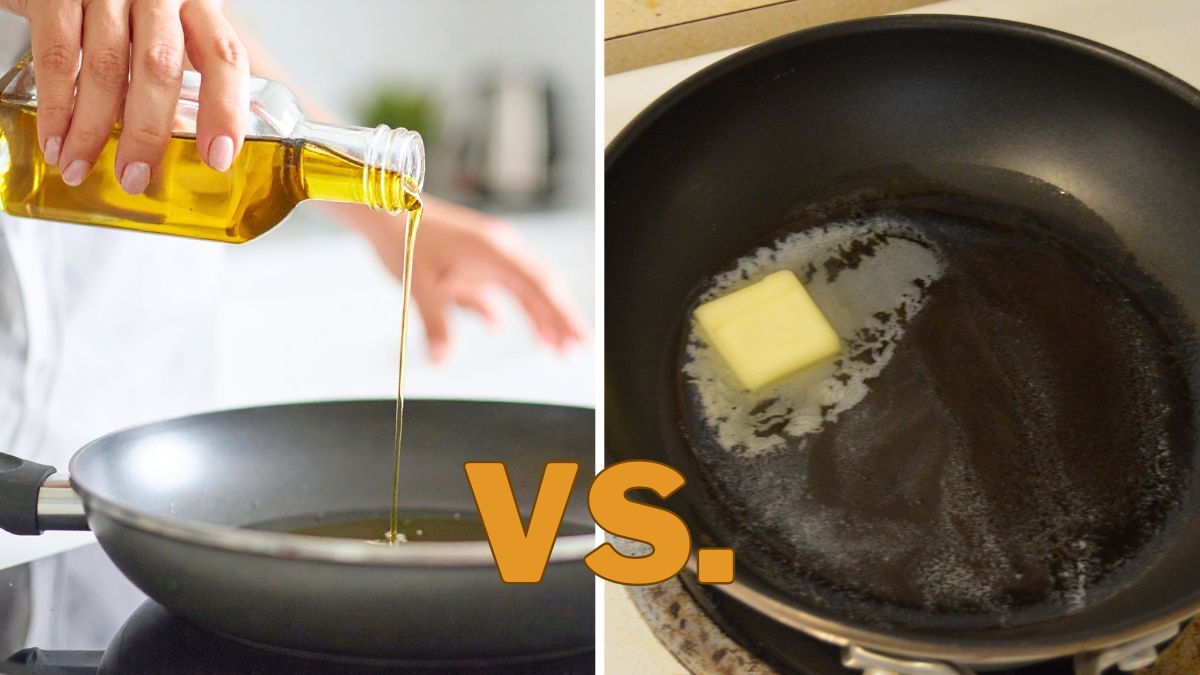

Both live on the same kitchen shelf. Both make food taste better. But they do very different things to your body, and they behave very differently in a hot pan. The debate between olive oil and butter has been running for years, and the science has finally tilted firmly in one direction, though the full picture is more nuanced than most headlines suggest.
What the Biggest Study Found
A Harvard-led study published in JAMA Internal Medicine in March 2025 tracked over 220,000 adults for 33 years.
High butter intake was linked to a 15% higher risk of death. High olive oil intake was linked to a 16% lower risk. Swapping just 10 grams of butter daily for olive oil was associated with a 17% reduction in overall mortality and cancer-related deaths.
“The takeaway is very simple,” lead author Daniel Wang told STAT News. Higher butter intake raises mortality risk. Higher plant-based oil intake lowers it.
Why They Differ Inside Your Body
The gap comes down to fat type.
Butter is high in saturated fat, which raises LDL cholesterol. It also contains 31 milligrams of cholesterol per tablespoon, while olive oil has none.
Olive oil is rich in monounsaturated fats and polyphenols that actively reduce inflammation and oxidative stress. The antioxidants in extra virgin olive oil also protect LDL particles from oxidizing, which is the step that makes LDL dangerous to blood vessels.
The Smoke Point Question Everyone Gets Wrong
Butter burns easily because its milk solids start to break down at around 302°F. That creates a bitter flavor and potentially harmful compounds.
Extra virgin olive oil has a much higher smoke point, up to 410°F, and its natural antioxidants provide additional oxidative stability. You can sauté, roast, and even pan-fry in olive oil safely.
The old advice about olive oil being unsuitable for cooking is largely a myth. Chef Sohla El-Waylly put it plainly: you can fry in olive oil and use it for all high-temperature cooking. The monounsaturated fat structure makes it stable under heat in ways that polyunsaturated oils are not.
Where Butter Still Has the Edge
For certain cooking tasks, butter is genuinely difficult to replace.
Chefs consistently reach for butter when caramelizing onions, finishing a steak, making pan sauces, or baking pastries where flaky texture is the goal. The milk solids in butter brown in a way that creates flavors olive oil simply cannot replicate.
For baking specifically, butter provides structure and a distinctive aroma that most recipes were designed around. Using olive oil in baked goods works, and sometimes produces a lighter, moister result, but it changes the flavor profile noticeably.
The Practical Answer
Most experts land in the same place: use both, but not equally.
Make olive oil the default for everyday cooking, sautéing, roasting, and dressings. Use butter as a finishing fat, a flavor accent, or for baking when texture demands it.
The health case for olive oil is now strong enough that treating it as the primary cooking fat is one of the lowest-effort longevity swaps available. Butter is not a villain in moderation, but it cannot compete with what olive oil does for the body over the long run.
RELATED ARTICLE: Why Extra Virgin Olive Oil is Considered the “Liquid Gold” of Nutrition
