


Olive Oil vs Butter: Which Is Winning the Healthy Aging Debate?

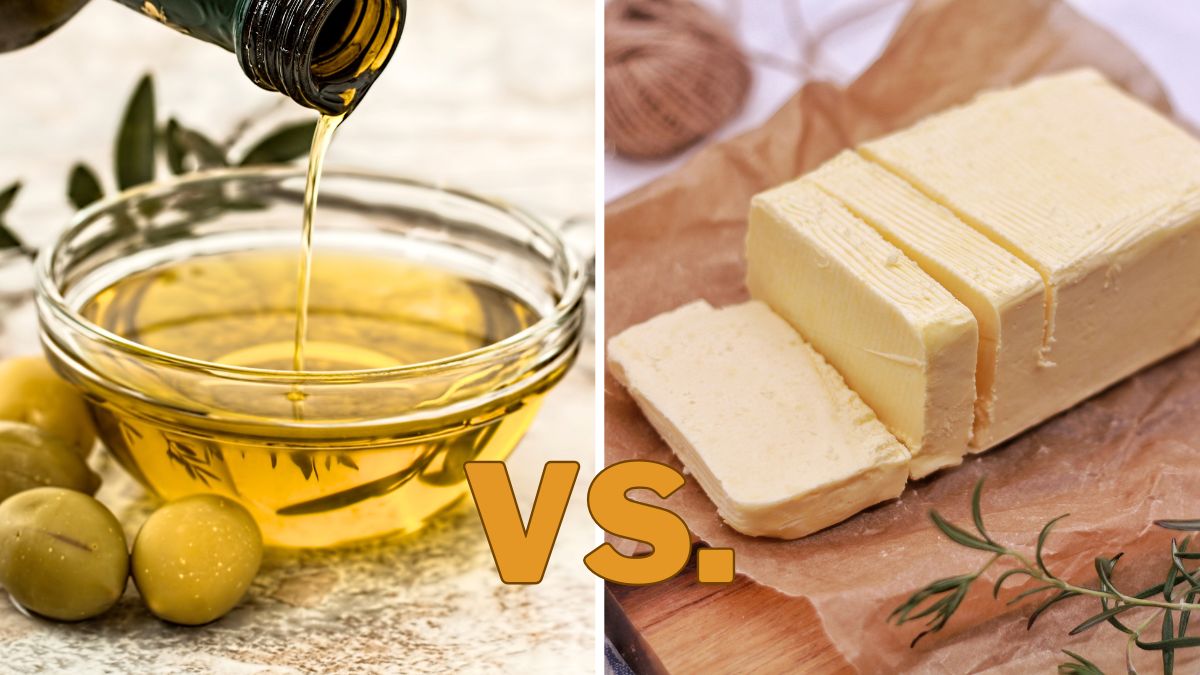

The fat you cook with every single morning might be doing more to your long-term health than anything else on your plate. Butter has been making a cultural comeback for years, landing in coffee, on sourdough, and back into recipes that once swapped it out for something lighter.
Olive oil, meanwhile, has been quietly accumulating some of the most impressive longevity research in modern nutrition.
So which one is actually winning the healthy aging debate, and does the answer really come down to just one tablespoon?
The Study That Shook the Butter Aisle
Earlier this year, a Harvard-led study published in JAMA Internal Medicine tracked more than 221,000 people over 30 years and delivered a verdict that sent the wellness world into a spin.
People who ate the most butter had a 15% higher risk of dying prematurely, while those who consumed the most plant-based oils had a 16% lower risk of dying young.
The most striking finding was how little it took to make a difference. Swapping just a tablespoon of butter per day for roughly two teaspoons of olive, soybean, or canola oil was linked to a 17% reduction in premature death, especially from cancer.
What Olive Oil Is Doing Inside Your Body
The longevity case for olive oil goes well beyond heart health. A 2024 Harvard study of more than 92,000 adults found that people who consumed more than half a tablespoon of olive oil per day had a 28% lower risk of dying from dementia, regardless of their overall diet or genetic predisposition.
That brain-protective effect comes largely from polyphenols like oleocanthal, which fight oxidative stress and inflammation, two of the primary drivers of neurodegenerative diseases. For anyone thinking about what healthy aging actually looks like from the inside out, that is a significant number.
The Butter Debate Is Not Entirely Over
To be fair, butter has its defenders, and the conversation is genuinely more complicated than a single headline.
The newly released 2025–2030 Dietary Guidelines for Americans controversially included saturated fats from butter as part of a healthy diet, a notable departure from previous guidance that sparked immediate pushback from researchers.
Harvard nutrition experts were quick to flag the contradiction, noting that mixed messages about butter and saturated-fat-rich foods may lead to confusion and potentially higher LDL cholesterol among the public. The science on swapping butter for plant-based oils, they emphasized, has not changed.
The Skin Aging Connection Worth Knowing
There is one more reason olive oil is pulling ahead in the longevity conversation, and it is showing up on people’s faces.
Research confirmed that phenols in extra virgin olive oil, particularly oleocanthal and oleacein, significantly reduced wrinkle count in both men and women, pointing to anti-aging benefits that work from the inside out.
Polyphenols also help stimulate collagen production and strengthen the skin barrier, making it more resistant to UV rays and environmental damage over time. That is a lot of return for something you are already pouring on your salad.
Butter is not going anywhere, and in moderation, it does not have to. But the research on olive oil has become difficult to ignore for anyone paying attention to how they want to feel and function in the decades ahead.
One small swap, made consistently, appears to be one of the simplest longevity upgrades on the table.
RELATED ARTICLE: The Role of Healthy Fats in Protecting Your Heart as You Get Older
