


Fish Oil vs Eating Fish for Omega-3s— Which One Is Actually Worth It?

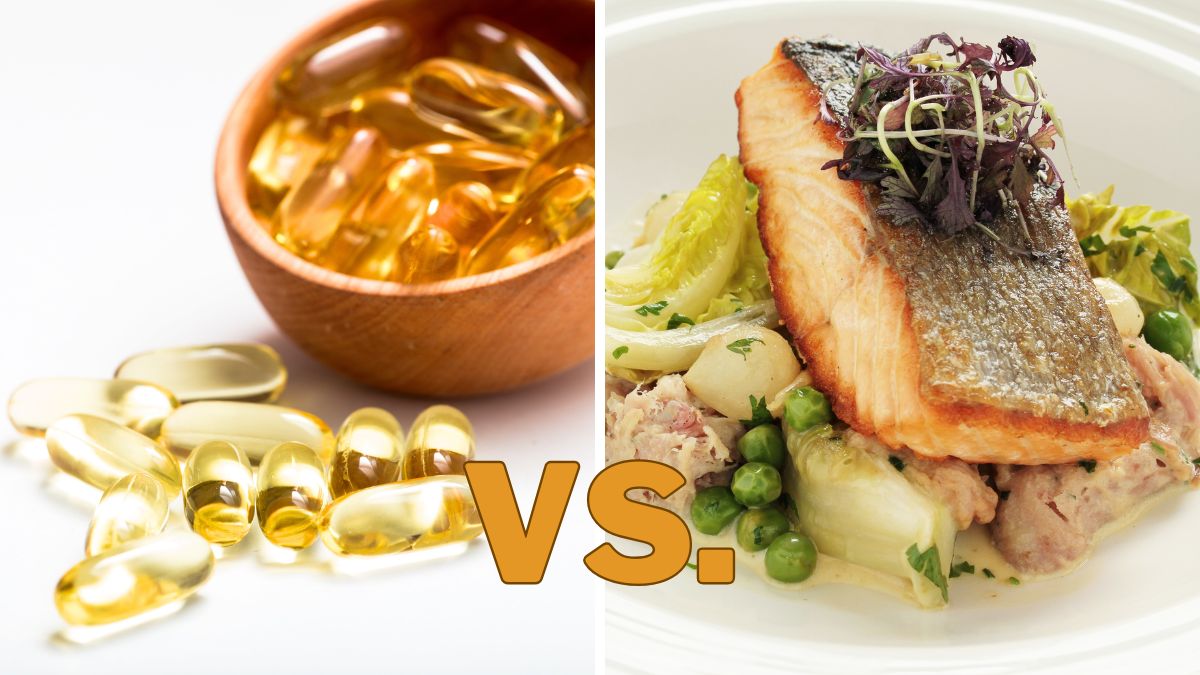

Half the wellness world is popping fish oil capsules every morning, convinced they are doing something great for their heart. The other half is grilling salmon twice a week and feeling equally smug about it.
But when it comes to getting your omega-3s, does it actually matter which route you take? The answer is more complicated than any supplement label will tell you.
What Eating Real Fish Actually Gives You
There is a reason nutritionists keep pushing whole fish over pills. Whole fish provides a broad spectrum of nutrients beyond omega-3s, including high-quality protein, vitamin D, B12, and minerals like selenium and iodine.
Fish oil capsules simply do not deliver the same full range of nutrients you get from eating fish, such as high-quality protein, iron, and a variety of B vitamins. A pill can concentrate the omega-3s, but it cannot replicate the whole package.
The Supplement Twist That Changes Everything
Here is where the fish oil story gets genuinely surprising. A large long-term study found that regular fish oil use might actually increase, rather than lessen, the risk of first-time heart disease and stroke in people who are otherwise in good cardiovascular health.
The same research linked fish oil to a 13% higher risk of atrial fibrillation as a first-time heart problem, and a 5% higher risk of stroke in healthy people. That is a finding that turned a lot of medicine cabinets upside down.
When Fish Oil Still Makes Sense
Before you throw your capsules in the bin, there is an important flip side. For people who already have cardiovascular issues, fish oil supplements were associated with a 15% lower risk of atrial fibrillation and helped slow the progression of existing heart disease.
For rheumatoid arthritis specifically, studies have shown fish oil supplements do provide real benefits in reducing both the severity and the progression of the disease. So the capsule is not entirely without purpose, it just depends heavily on your personal health picture.
The Smartest Way to Get Your Omega-3s
Most nutrition experts land in the same place when it comes to the food-first rule. Both the American Heart Association and the Dietary Guidelines for Americans support eating fatty fish twice per week as the preferred way to get omega-3s.
A three-ounce serving of wild salmon alone provides 1.5 grams of EPA and DHA fatty acids, along with high-quality protein, vitamins B6 and B12, and selenium. That is a lot of return for one meal.
At the end of the day, fish oil is not a villain and real fish is not a miracle, but the gap between them is bigger than most people realize.
If you are healthy and reaching for that capsule out of habit, it might be time to swap it for a plate of salmon instead, and actually enjoy the upgrade.
RELATED ARTICLE: The Role of Healthy Fats in Protecting Your Heart as You Get Older
