


Why Mediterranean Women Rarely Snack the Way Americans Do

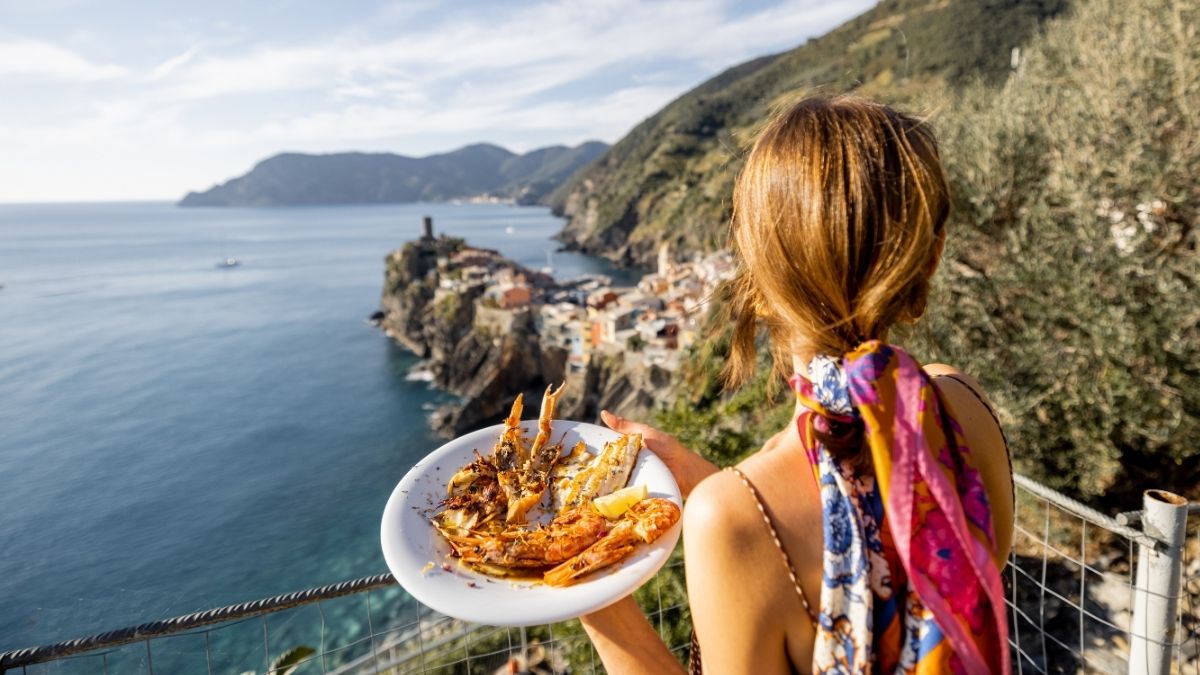

Picture a woman in southern Italy finishing lunch at two in the afternoon. She is not reaching for a protein bar an hour later. She is not scrolling through the pantry at three. She is simply not hungry, and that is not an accident.
There is something embedded in the way Mediterranean women eat, from what goes on the plate to how long they sit at the table, that quietly dismantles the need to snack in the first place.
Americans, by contrast, have built an entire culture around it.
The Numbers Tell a Clear Story
Nearly half of Americans, around 48.8 percent, snack three or more times a day, a figure that has been climbing year over year.
Meanwhile, Mediterranean food culture is built around a completely different rhythm, one structured around fixed, intentional meals rather than a constant stream of in-between eating.
Research published in Public Health Nutrition found that Mediterranean countries have a long tradition of fixed meal patterns with clearly defined satiety periods, where eating simply is not expected to occur between meals. That structure is not deprivation. It is design.
Fiber Does the Heavy Lifting
A large part of why Mediterranean women are not reaching for chips at four in the afternoon comes down to what they ate at noon.
Fiber from legumes, whole grains, vegetables, and fruits slows digestion and stabilizes blood sugar, both of which curb cravings and reduce the urge to snack between meals.
The Western diet, by contrast, is characterized by an overconsumption of processed foods, ready-to-eat meals, snacks, and sugar-sweetened beverages that spike blood sugar quickly and leave the body hungry again within hours.
The Table Is the Secret Ingredient
A compelling 2024 paper by Italian researchers found that the true power of the Mediterranean lifestyle may lie not just in the food itself but in the act of eating together. People who shared long, convivial meals showed better mental health, reduced cortisol levels, decreased depression, and lower cardiovascular risk.
A slow two-hour lunch shared with family does something a bag of chips eaten alone at a desk cannot. It creates genuine satisfaction through food, conversation, and rest, all at once.
What Mediterranean Women Eat When They Do Snack
When snacking does occur in Mediterranean culture, the choices look very different. Nuts, fresh fruit, yogurt, olives, and a small piece of cheese replace the chips, crackers, and sweetened bars that dominate American pantries.
A Spanish study found that snacking on unhealthy foods between main meals was associated with a 68% higher risk of developing metabolic syndrome, reinforcing what Mediterranean culture has practiced for generations by quiet instinct.
The difference between Mediterranean and American snacking culture is not discipline or willpower. It is a fundamentally different relationship with food, one built around meals that actually fill you up, eaten slowly, with people you love.
The snack craving, it turns out, was never really about hunger.
RELATED ARTICLE: The Mediterranean Snack Women Over 40 Are Suddenly Obsessed With
