


The Anti-Aging Spice Hiding in Almost Every Kitchen Cabinet

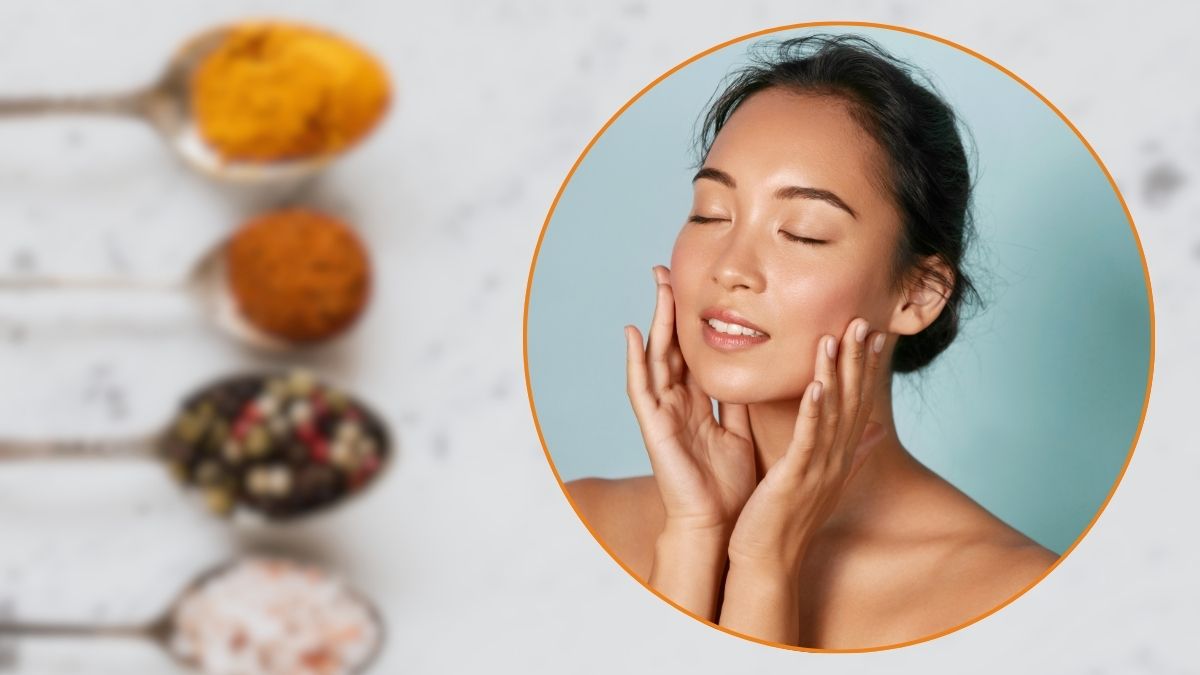

It has been sitting in Indian kitchens for thousands of years. It is what makes curry golden and golden milk trendy. And science is now building a surprisingly compelling case that it may be one of the most powerful anti-aging tools available, not in a supplement aisle or a longevity clinic, but in the spice rack most people already own.
The spice is turmeric, and the research around it right now is genuinely worth paying attention to.
It Is Being Studied for Epigenetic Age Reversal
The most striking recent finding came from a 2025 study published in the journal Aging, led by researchers at the University of Washington.
Scientists found that participants who regularly consumed what they called methyl adaptogen foods, including turmeric, garlic, berries, rosemary, and green tea, experienced significantly greater reductions in their epigenetic age.
Epigenetic age measures how old the body looks at the cellular level, and in some participants the reversal reached up to nine years, even after accounting for weight changes and other lifestyle factors.
What Curcumin Actually Does to the Body
The active compound in turmeric is called curcumin, and it does something unusual for a common kitchen spice: it targets multiple aging pathways at once. A January 2025 review in Frontiers in Aging Neuroscience confirmed that curcumin modulates AMPK, NF-κB, and mTOR, all of which are core regulators of cellular senescence and inflammation.
A 2024 systematic review published in Nutrients concluded that curcumin represents a potent, naturally derived compound with significant potential to delay aging and reduce the burden of age-related diseases.
The Skin Benefits Are Real Too
Beyond what happens at the cellular level, turmeric is also earning serious attention from skin researchers. Curcumin blocks the inflammatory cascade responsible for what scientists call “inflammaging,” the chronic low-grade inflammation that accelerates visible aging.
A 2025 review described curcumin as having potent ROS scavenging capacity that protects against UV-induced oxidative damage while simultaneously supporting collagen synthesis in dermal cells.
The One Thing That Makes It Actually Work
Here is the detail most people miss. Curcumin on its own has poor bioavailability, meaning the body struggles to absorb it before it is metabolized away.
According to Johns Hopkins Medicine, adding black pepper to turmeric increases curcumin absorption by up to 2,000%, thanks to a compound in pepper called piperine.
Pairing turmeric with a healthy fat like olive oil pushes absorption even further, which is exactly how it has been used in traditional Indian cooking for centuries. Ancient culinary wisdom, as it turns out, was ahead of the science by a long stretch.
A pinch of pepper, a drizzle of oil, and a spice that costs almost nothing per serving. The gap between what is on most people’s spice racks and what the research is now confirming has rarely been smaller.
RELATED ARTICLE: The Surprisingly Simple Habit Linked to Better Skin
