


Why You Should Never Drain Canned Beans Without Thinking

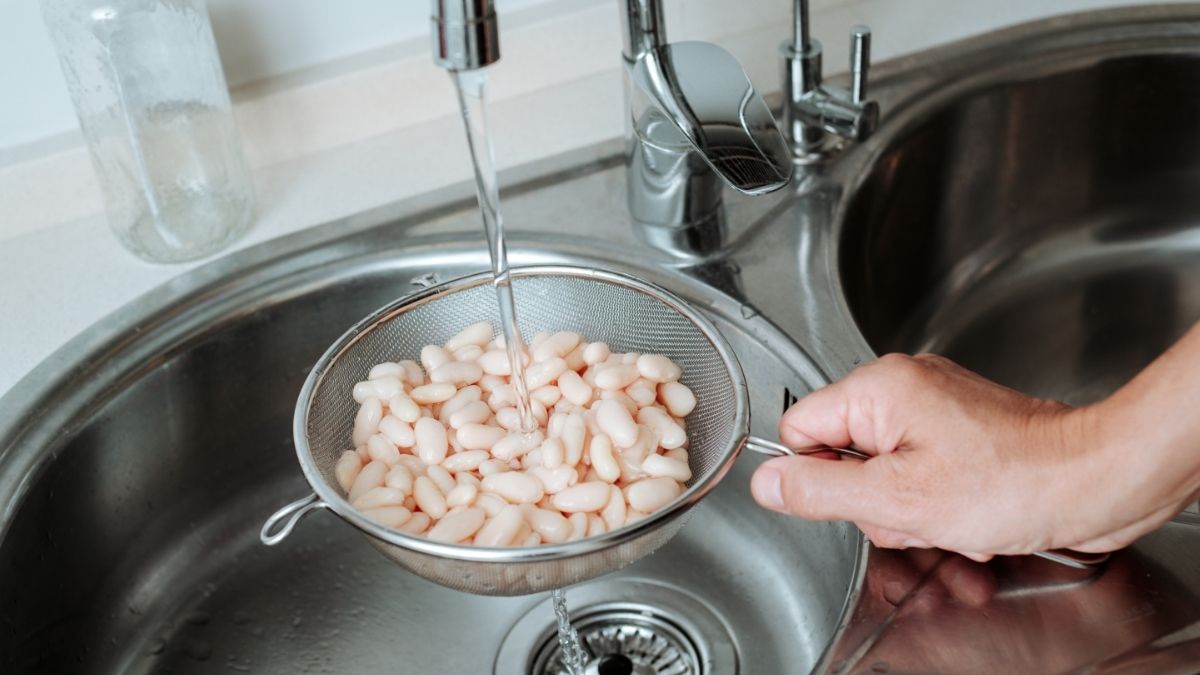

Most home cooks do it automatically, can in one hand, colander in the other, that cloudy liquid gone down the drain before anyone thinks twice. But chefs and food scientists have been quietly shaking their heads about this kitchen habit for years.
That murky liquid you have been throwing away might actually be one of the most useful things in your pantry. And once you know what it can do, you will never look at a can of beans the same way again.
The Liquid Has a Name
That glossy, slightly viscous liquid clinging to your chickpeas and black beans is called aquafaba, a term coined in 2015 from the Latin words for water and bean. It forms when beans are cooked under pressure inside the can, releasing starches and proteins into the surrounding liquid over time.
According to food scientists, the result is a naturally starchy, slightly thick liquid that behaves more like a culinary ingredient than waste water.
It Replaces Eggs Better Than You Think
Here is where things get genuinely surprising. When whipped, aquafaba foams up almost exactly like egg whites, making it a remarkable substitute in meringues, mousses, cakes, and even homemade vegan mayonnaise.
The rough equivalent is three tablespoons of aquafaba for one whole egg, and two tablespoons for one egg white. For anyone with egg allergies or anyone cutting back on animal products, this is a revelation hiding inside something most people throw away.
What It Does for Savory Cooking
Beyond baking, the liquid from canned white beans, black beans, or chickpeas works as a natural thickening agent for soups, stews, and chili, adding body and a subtle richness without any extra ingredients.
Chefs recommend keeping the liquid whenever the dish is brothy or saucy, and only rinsing beans when the recipe calls for clean, light flavors like salads, tacos, or grain bowls.
When Draining Is Actually the Right Call
Draining and rinsing is still smart in certain situations. Studies show that rinsing can reduce the sodium in canned beans by up to 41%, which matters significantly for anyone watching their heart health or blood pressure.
The liquid can also be frozen in ice cube trays and stored for whenever a recipe needs a natural thickener or egg substitute on short notice.
So the rule is not to always keep it and not to always toss it. It is simply to stop and think before you do either. Because what looked like something to wash down the sink might just be the secret ingredient your kitchen has been missing all along.
RELATED ARTICLE: Living Longer: Why Your Body Prefers Beans Over Beef
