


Why Experts Say Americans Don’t Eat Enough Fermented Foods

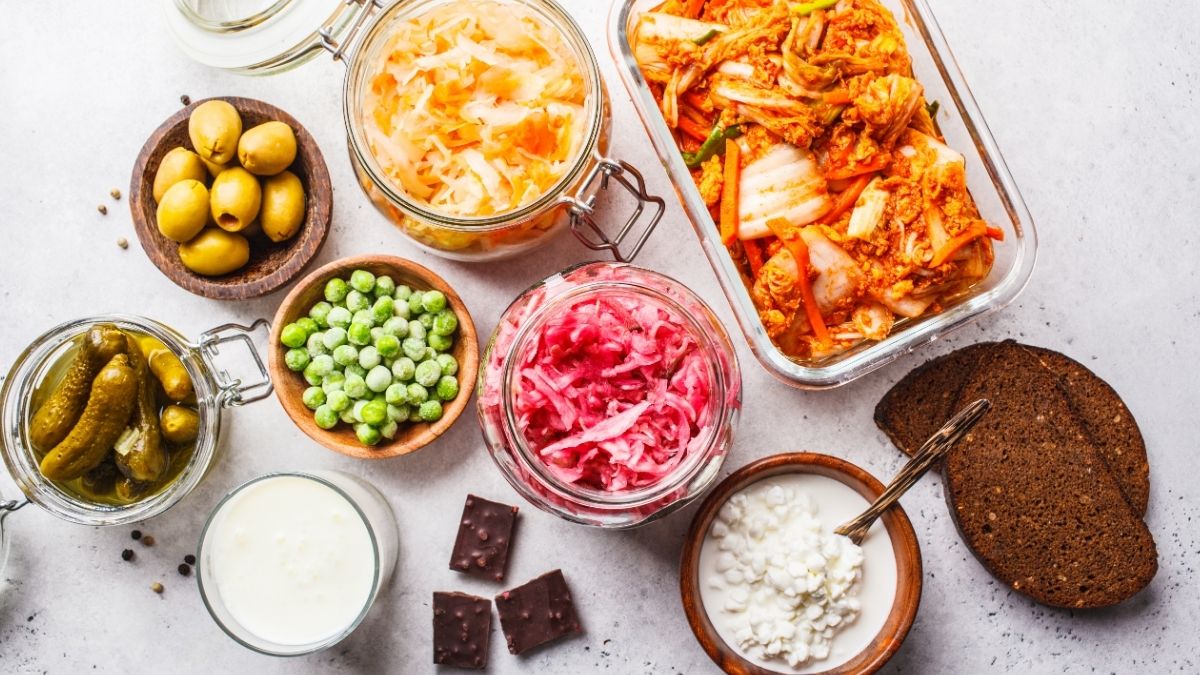

Walk through a supermarket in Seoul and fermented vegetables appear in almost every aisle. In Japan, miso, natto, and pickled vegetables show up at breakfast. In Germany, sauerkraut is something people grew up eating without thinking twice about it.
In the United States, the picture looks very different, and researchers are starting to say that gap matters more than most people realise.
The Numbers Tell the Story
Only about 30% of Americans report eating fermented foods such as yogurt, kefir, or kombucha even once per week, according to a survey by the International Food Information Council.
That number pales against countries where fermented foods are embedded in every meal as a matter of daily habit, not a wellness trend.
The reason is not complicated. 55% of all calories consumed in the US come from ultra-processed foods, which crowd out the traditional whole and fermented foods that other food cultures built their diets around.
What a Stanford Trial Found
In 2021, researchers at Stanford School of Medicine ran a clinical trial that randomly assigned 36 healthy adults to either a high-fermented-food diet or a high-fiber diet for ten weeks. The results stopped researchers in their tracks.
The fermented food group showed significant increases in gut microbiome diversity and measurable decreases in molecular markers of inflammation.
The high-fiber group showed neither. Lead researcher Justin Sonnenburg called it “a stunning finding,” describing it as one of the first examples of how a simple dietary change could reproducibly remodel the gut microbiota. Crucially, the effects were stronger with larger servings.
Why Diversity Matters
Low gut microbiome diversity has been directly linked to conditions including obesity and diabetes. A more diverse microbiome supports digestion, immune function, and metabolic regulation, and fermented foods appear to be one of the most direct ways to build and maintain that diversity.
Research has also increasingly pointed to the gut-brain axis as a reason to care about fermented foods beyond digestion. Microbes and metabolites from fermented foods interact with the nervous system and immune responses, with emerging evidence connecting them to mood, stress, and anxiety levels.
The Easy Places to Start
The fermented foods with the strongest research behind them are also among the most accessible. Yogurt, kefir, kimchi, sauerkraut, and miso are widely available in most supermarkets, and none of them require a recipe or much effort to include in a regular meal.
The distinction worth noting is that genuine fermentation is not the same as vinegar pickling, which is how most commercial pickles are made. Labels that say live and active cultures are the ones that actually deliver the microbial benefits the research points to.
The rest of the world has known this for centuries. The science is finally catching up to what traditional diets figured out long ago.
RELATED ARTICLE: 6 Fermented Foods Americans Aren’t Eating Enough Of
