


Why Emma Thompson (67) Refuses to Follow Strict Diet Rules

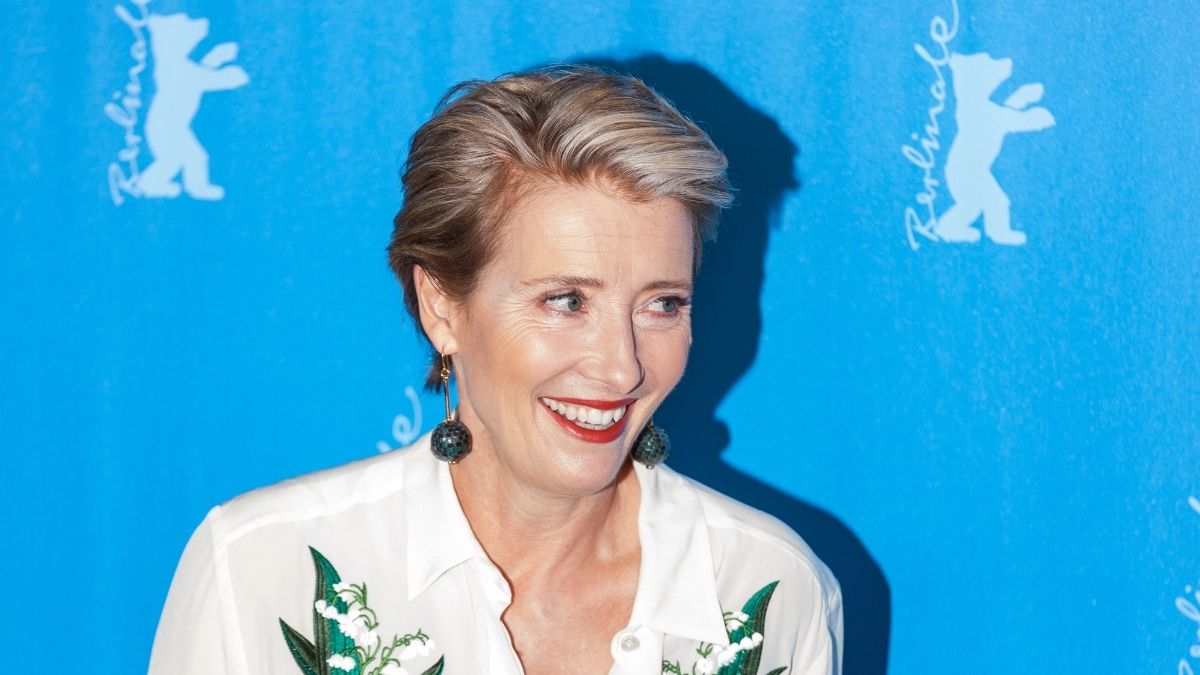

She is one of the most celebrated actresses working today, and she has spent decades inside an industry that treats women’s bodies as a problem to be managed. Her conclusion, after all of it, is that dieting is not the answer.
Emma Thompson has become one of the most outspoken voices against restrictive eating culture, and the way she actually eats is far more compelling than any rulebook.
A Lifetime of Watching the Industry
Thompson has spoken openly about the damage that dieting caused to her metabolism and her mental health over the years, calling the diet industry a multimillion-pound machine she fought her entire career. She has said she regrets ever following one at all.
She has described being only in her early thirties when she finally stopped starving herself, after a journalist publicly wrote that she had gained weight and “let herself down.” She has called the pressure on women in Hollywood to stay thin actively evil, and worse every decade.
The Plan She Actually Follows
Working with nutritionist and trainer Louise Parker, Thompson lost 8kg through a flexible eating plan built around three protein-rich meals a day, whole grains, vegetables, fruit, healthy fats, and two daily snacks. The structure is real, but nothing is off limits.
Bacon, cheese, and a glass of wine remain firmly on the menu. The entire foundation of the approach is that enjoyment and sustainability come before deprivation.
Why Nothing Is Banned
The plan she follows deliberately sidesteps the parade of wellness-coded superfoods that have replaced real meals for so many people. Thompson has praised it specifically for keeping her away from kale juice and the kind of clean eating that leaves people hungry, miserable, and no healthier.
Research consistently shows that rigid dietary restriction leads to metabolic disruption and eventual weight regain, while flexible, enjoyment-forward eating patterns are genuinely more sustainable over time.
The Bigger Argument She Is Making
Thompson has been vocal about how women are conditioned from an early age to view their own bodies as something to be fixed, describing it as a form of collective brainwashing. Her nude scene in ‘Good Luck to You, Leo Grande’ was, in part, a deliberate act of resistance against that.
Her refusal to diet is not a casual lifestyle choice. It is a considered rejection of a system she believes has spent decades profiting from making women feel like they are never quite enough.
RELATED ARTICLE: Foods That Help You Stay Sharp After 60
