


Why This “Old School” Breakfast Is Suddenly Trending Again

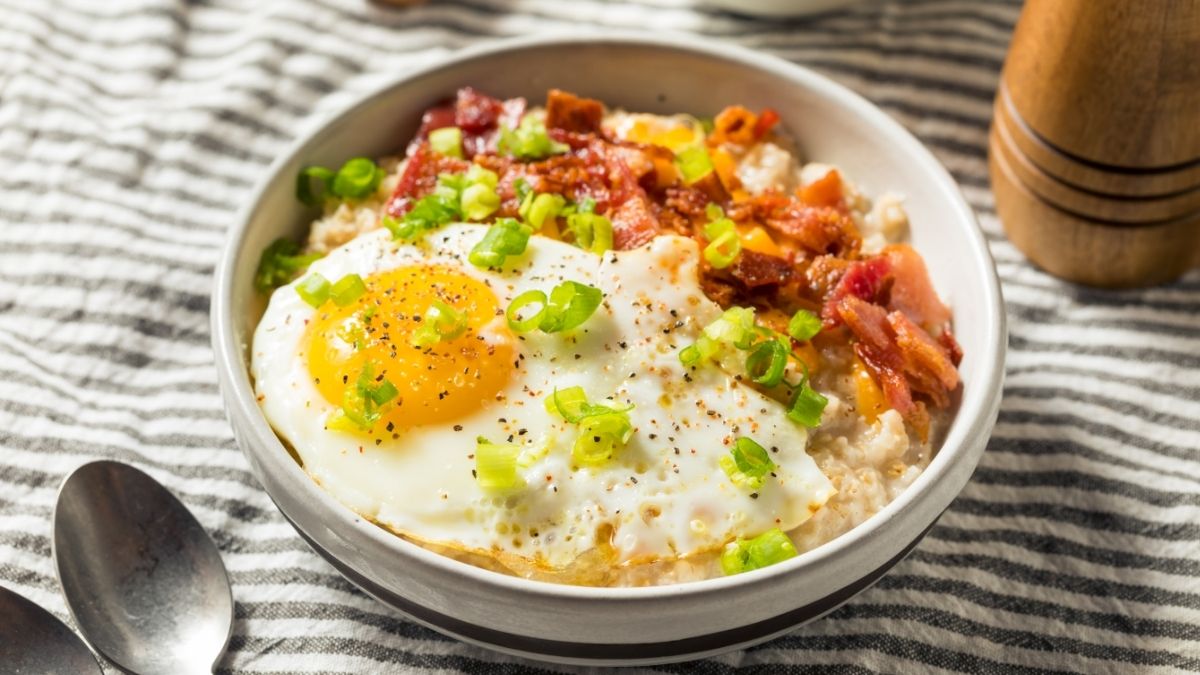

Somewhere between the keto boom and the dawn of every protein shake known to humanity, oatmeal got quietly pushed to the back of the shelf. It became the breakfast you ate when you were being boring about it, the old-fashioned bowl your grandmother insisted on, the beige option that nobody wanted to photograph.
That reputation is now completely falling apart, and the reason why is more interesting than anyone expected.
The TikTok Turn That Changed Everything
The first crack in oatmeal’s unfashionable image came not from nutritionists but from food creators who started treating it the same way they treated rice or pasta. Savory oatmeal has taken over feeds, with people topping their bowls with fried eggs, bone broth, sesame oil, kimchi, cheese, and chili crisp instead of berries and maple syrup.
The result looks nothing like the oatmeal of twenty years ago, and that gap in visual identity turned out to be exactly what the trend needed.
What the Longevity World Knew All Along
Dan Buettner, the researcher who identified the world’s longest-lived communities, has been eating oatmeal for breakfast for years without needing social media to tell him why. He recommends it as one of two ideal morning meals, alongside soup, because Blue Zones populations who routinely live past one hundred have eaten it daily for generations.
In Loma Linda, California, America’s only Blue Zone, centenarians eat oatmeal for breakfast every day. This is not a coincidence.
The Science That Was Always There
Oats contain a soluble fiber called beta-glucan that the FDA recognized as cardioprotective in 1997, an unusually early moment of official endorsement for a single food. Research shows that consuming at least three grams of oat beta-glucan daily reduces LDL cholesterol by roughly 6.5%.
A 2026 study from the University of Bonn published in Nature Communications found that oat consumption shifts the gut microbiome in ways that further reduce cholesterol, with gut bacteria breaking down oat compounds into metabolites that drive those improvements.
Why Carb Fear Sidelined It
The low-carb era did oatmeal no favors. Whole grains got lumped in with white bread and sugar in a cultural conversation that made complexity feel like guilt, and a deeply nutritious bowl of slow-cooked oats ended up collateral damage.
Gen Z is now actively abandoning boxed cereals loaded with sugar in favor of whole-food breakfasts, and oatmeal is the most obvious beneficiary. It is affordable, quick to prepare, and genuinely filling in a way that processed alternatives cannot replicate.
The old-school breakfast that got dismissed as dull has turned out to be something that centenarians, gut health researchers, and TikTok creators all arrived at independently. It just took everyone else a little longer to catch up.
RELATED ARTICLE: 5 Low-Carb Breakfasts That Actually Satisfy
