


The Secret Behind Memorable Group Dining Experiences

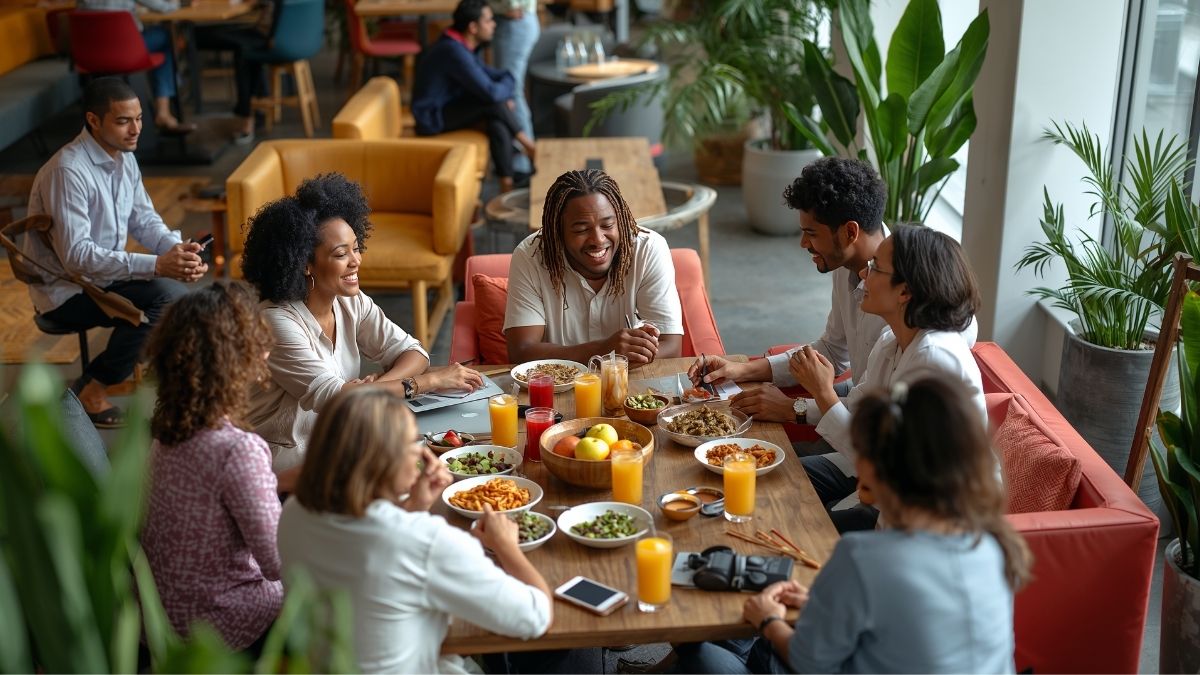

Meals are often remembered for reasons people do not immediately notice. Sometimes it is the relaxed atmosphere, sometimes it is the timing and sometimes it is simply how comfortable the entire gathering felt from beginning to end. A good group dining experience usually comes together through smaller details working naturally in the background.
In Los Angeles, where busy schedules and full calendars are part of everyday life, shared meals have started carrying more importance during events and workplace gatherings. Food is no longer treated as a simple pause between activities. It is being used to bring people together in a way that feels more thoughtful and more personal.
A successful dining experience is rarely shaped by food alone. Timing matters, presentation matters and the overall flow of the event matters just as much. Guests often remember whether the atmosphere felt relaxed and whether the meal seemed planned around the people attending instead of feeling rushed or disconnected.
Because of this, expectations around catering have started changing. Generic setups no longer leave much of an impression. People want dining experiences that feel organized, comfortable and suitable for the occasion without becoming unnecessarily complicated.
Why Good Group Dining Starts Before The Food Arrives
Many dining experiences are shaped long before the first plate reaches the table. Planning, timing and organization influence how guests respond almost immediately. If service feels rushed or disconnected, the atmosphere changes quickly even when the food itself is prepared well.
Marbled LA approaches group dining through carefully structured catering programs designed around the natural flow of an event. With experience supporting corporate gatherings, private celebrations and production catering, their team focuses on creating meal service that works alongside real schedules instead of interrupting them. Breakfast catering, lunch service and snack options are adjusted according to the pace of the event so guests remain comfortable throughout the experience.
That attention to timing changes the mood of a gathering more than many people realize. Meals arriving too early can disrupt conversations while delayed service often leaves guests distracted and impatient. Group dining feels more relaxed when food is introduced naturally within the rhythm of the event itself.
A workplace luncheon offers one strong example. Employees moving between meetings may appreciate organized catering that keeps transitions smooth without unnecessary delays. A private celebration may require a slower dining pace where guests are encouraged to stay seated longer and interact more comfortably. These differences matter because memorable group dining is connected closely to atmosphere and coordination rather than food alone.
Have certain gatherings ever felt calm before the meal fully began? That feeling is often created through preparation happening quietly in the background.
People Remember Comfort More Than Complexity
There was a time when elaborate presentation often received most of the attention during catered events. Large displays and overly complicated menus were used to impress guests visually. That approach has started shifting because comfort now plays a much larger role in how dining experiences are remembered.
Guests want meals that feel thoughtful without becoming overwhelming. Clear menu structures, organized service and balanced portions create a stronger impression than excessive presentation that slows the event down unnecessarily.
Several details often contribute to stronger group dining experiences:
- Meal timing is coordinated around the natural flow of the gathering.
- Dietary accommodations are included so guests feel considered instead of separated.
- Drop-off or on-site service is selected based on logistical needs.
- Rotating menu options help recurring events avoid repetition.
- Salads, sides and vegetarian selections are integrated naturally into the full meal setup.
These adjustments may appear small but their impact becomes noticeable quickly. Guests relax more easily when meals feel organized around their needs rather than around visual performance alone.
Healthcare facilities offer one useful example. Staff members working long shifts often require meal service that feels efficient while still feeling satisfying. Educational environments reveal a similar pattern where structured dining helps maintain smoother schedules throughout the day. In both cases, comfort and timing influence the experience more strongly than dramatic presentation.
Would guests remember complicated decoration if the meal service itself felt stressful? Probably not.
The Atmosphere Around The Table Matters More Than Expected
Food influences mood in subtle ways. The arrangement of a dining space, the pacing of service and the overall energy of the room all affect how people interact during shared meals. Group dining becomes memorable when guests feel encouraged to stay present instead of feeling rushed toward the next activity.
This is why many modern catering experiences are being designed around atmosphere as much as menu planning. The goal is not simply to serve food. The goal is to support connection between the people sharing the space.
Food Often Reflects More Than Hunger
Group dining is rarely only about eating. Shared meals carry emotional weight because they create pauses inside otherwise busy routines. People gather around food during celebrations, workplace events and collaborative settings because meals naturally encourage interaction.
Food and cooking, after all, is a great way to understand yourself better. Preferences, routines and comfort levels often appear most clearly around the table. Some guests enjoy structured dining while others prefer more casual interactions. Strong catering experiences recognize these differences instead of forcing everyone into the same atmosphere.
This is where thoughtful menu planning becomes important. Balanced meal structures help guests remain comfortable throughout longer events while organized service reduces unnecessary distraction.
Dietary accommodations also influence how welcomed guests feel during group dining. Gluten-free selections, vegan meals and allergen-aware options help create a more inclusive environment where people can participate comfortably without feeling singled out.
Have shared meals ever made certain conversations feel easier than expected? That effect is not accidental. Group dining changes social interaction because food creates familiarity in ways many other settings cannot.
Memorable Dining Is Built Through Small Decisions
The bottom line? Modern group dining has moved beyond basic catering expectations. People want meals that support the purpose of the gathering itself, whether the setting involves workplace collaboration, healthcare environments or private celebrations. Food becomes part of the experience instead of remaining separate from it.
The most memorable dining experiences often feel effortless while considerable coordination supports every moment underneath. Guests may never notice each decision individually but they remember how the gathering made them feel once it ends.
