


What Happens to Your Sleep When You Eat Kiwi Before Bed Every Night


Sleep is one of the things Americans spend the most money trying to fix, from supplements to gadgets to medications. But a growing body of research keeps pointing to something far simpler sitting in the produce aisle, costing less than a dollar a serving.
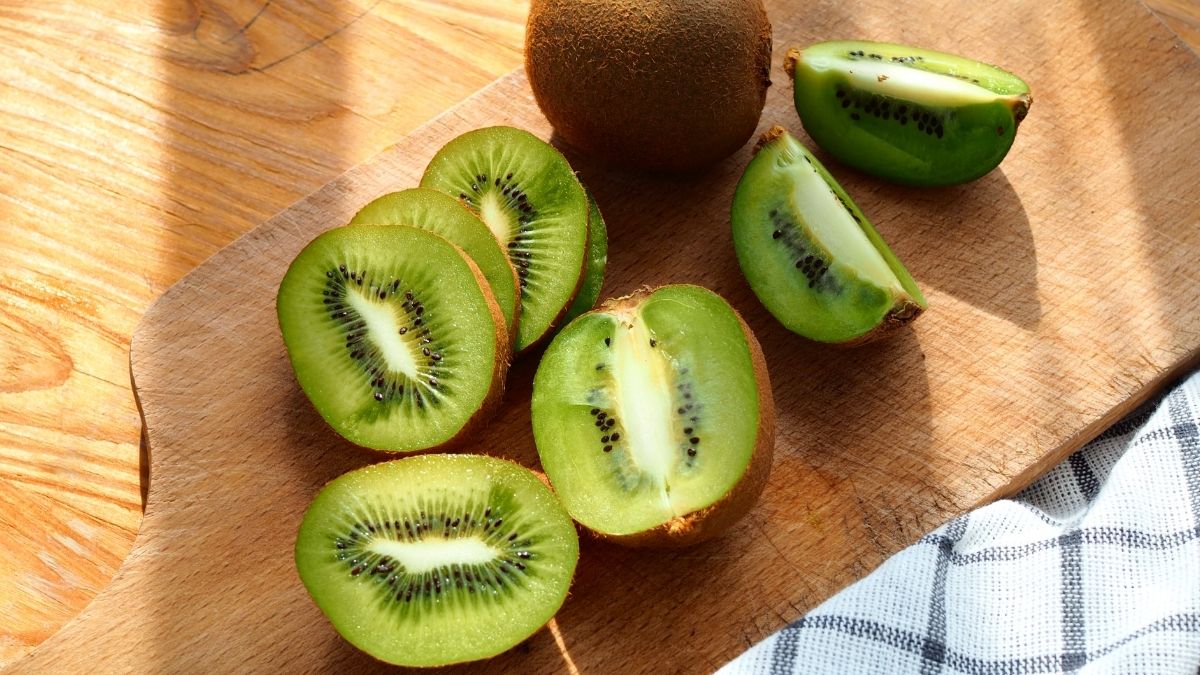
Two small kiwis, eaten about an hour before bed, might be quietly doing more for your sleep than almost anything else you could reach for at night.
What a Clinical Study Found
Researchers had adults with self-reported sleep problems eat two kiwis an hour before bed every night for four weeks. The results surprised the researchers themselves.
Participants fell asleep more than a third faster, woke up during the night nearly thirty percent less often, and their overall sleep quality scores improved by more than forty percent.
It Can Work the Same Night
What sets kiwi apart from most sleep supplements is how fast it can act. Scientists at Massey University in New Zealand found that eating two kiwifruit in the evening produced an immediate positive effect on sleep quality and mood, with participants noticing the difference the very same night.
Both good sleepers and poor sleepers reported it was easier to wake up feeling refreshed the following morning.
Why Kiwi Works Differently Than Any Other Fruit
Kiwi is one of the very few fruits that naturally contains serotonin, the neurotransmitter that initiates sleep and acts as a direct precursor to melatonin production. Research confirms that kiwifruit also contains melatonin itself, making it a rare dual natural source of both hormones most directly tied to sleep.
Unlike a supplement, this serotonin arrives packaged with antioxidants, fiber, and vitamins the body actually knows what to do with.
The Nutrients Flying Under the Radar
Beyond serotonin, kiwi is rich in folate, a B vitamin whose deficiency has been directly linked to insomnia and restless leg syndrome, two of the most common causes of disrupted sleep. It also contains magnesium, which helps reduce cortisol and relaxes the nervous system at the precise moment the body needs to wind down.
These nutrients work together in a way that no single sleep supplement has been designed to replicate.
What Happened When Athletes Tried It
The finding has also been tested on elite athletes, whose sleep and recovery is tracked with obsessive precision. After four weeks of eating two kiwis before bed every night, athletes reported longer total sleep time, significantly fewer nighttime awakenings, and measurably better recovery scores.
Researchers also noted reduced stress levels, a benefit that had not even been a primary focus of the study.
How Simple the Fix Actually Is
The protocol used across every study is almost unreasonably easy. Two kiwis eaten about an hour before bed is all it has taken to produce consistent results across multiple independent trials.
No prescription, no preparation, and nothing to dissolve, measure out, or refrigerate overnight.
The strangest thing about the kiwi sleep story is not the science, it is the fact that this fruit has been sitting in grocery stores for decades while millions of people spend serious money on sleep solutions that are harder to find, harder to use, and have far less research behind them.
Two kiwis, eaten an hour before bed, could be the quietest and most effortless sleep upgrade you make all year.
RELATED ARTICLE: What If the Secret to Living Longer Was Already in Your Pantry?
