


Understanding Roast Levels: Light, Medium, or Dark?


Have you ever felt that strange sense of confusion standing in front of the coffee aisle? Dozens of elegant packages, each with a different promise: “Intense,” “Velvety,” “Rich Roast.”
We often rely on instinct or eye-catching packaging, but the truth is that the secret to the perfect flavor isn’t written in the name, but in the color and history of the bean. Knowing how to read roast labels means stopping random choices and finally starting to choose with awareness.
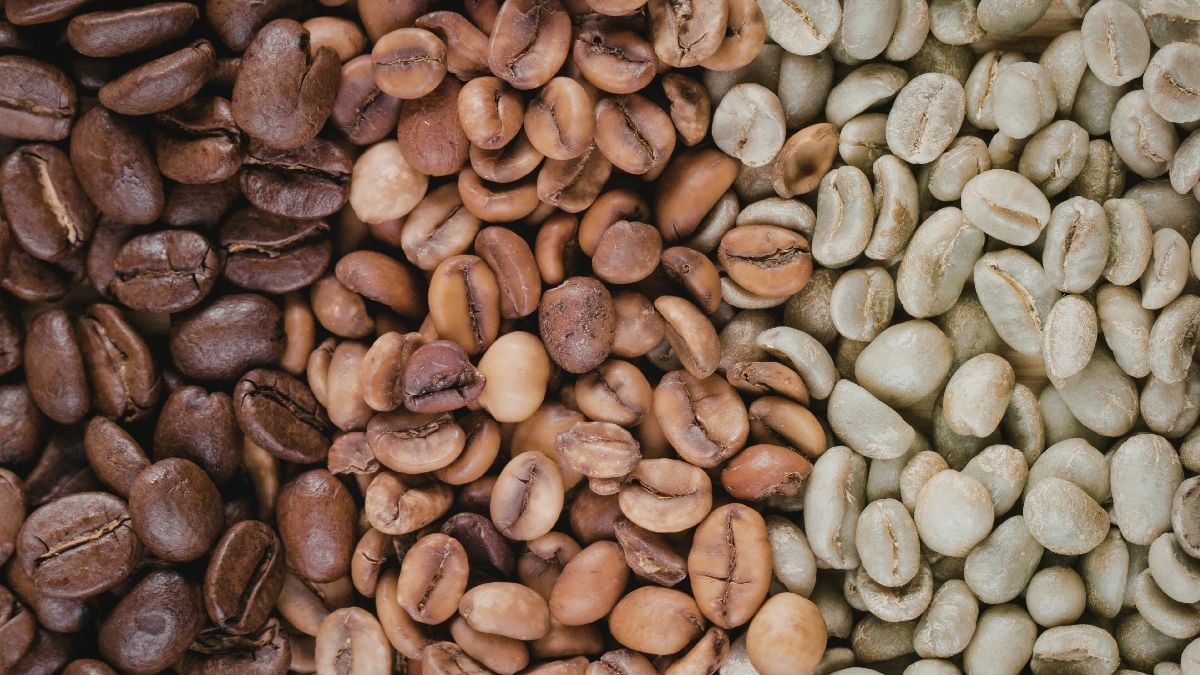
Roasting is the magical moment when coffee comes to life. Imagine the raw bean: a small, compact green seed with a grassy scent reminiscent of wet earth. It is a rough diamond that has yet to find its voice.
Only through the alchemy of heat and time does this seed transform into the complex and seductive beverage that marks our days. The master roaster acts as a craftsman of light and fire: by applying heat with precision, he guides the bean through a metamorphosis that defines its acidity, body, and that infinite aromatic profile we seek every morning in our cup.
Light roasts: lively, acidic, and floral
Light roasts are for those who love coffee in its purest, most authentic form. In this process, the beans are roasted for the shortest amount of time, being removed from the heat immediately after the first crack. This is the exact moment when the bean expands and releases steam, “popping” just like a kernel of corn would. Stopping here helps preserve more of the bean’s origin characteristics, that is, the unique imprint that the soil and climate have left on the plant.
Sipping a light roast is an experience that surprises with its citrusy freshness. Don’t expect the bitterness of chocolate, but rather the liveliness of a blooming garden. When you bring the cup to your lips, you’ll clearly distinguish these nuances. First, let’s dispel a small myth: many people think that darker coffee is “stronger.” In reality, light roasts may retain slightly more caffeine by bean mass, although caffeine in the cup varies by bean, grind, dose, and brewing method.
- Body: It’s subtle and delicate on the palate, with a light texture reminiscent of a fine infusion or white tea.
- Aromatic notes: The nose releases an elegant bouquet of jasmine, white flowers, and fresh hints of citrus zest.
- Taste profile: The palate is dominated by a lively, bright acidity, with notes reminiscent of green apple or berries.
Medium roasts: the balance everyone loves
If a light roast is an explosion of nature and a dark roast is an intense embrace, a medium roast is the perfect balance. It is the quintessential “right” choice, capable of pleasing even the most diverse palates. During this phase, the heat begins to penetrate deeper: the initial acidity softens, and the coffee’s natural sugars begin their caramelization process.
This is often the roast of choice for the classic filtered American coffee, where the goal is a well-rounded, comforting cup without any harsh edges. In this profile, the bean reveals a velvety character expressed through these sensory characteristics:
- Body: A perfect balance is perceived, with a silky texture that fills the palate without weighing it down.
- Aromatic notes: The aroma leans toward the sweet, with notes of caramel, toasted hazelnuts, and a hint of vanilla.
- Flavor profile: The taste is smooth, characterized by notes of milk chocolate and a lingering sweetness reminiscent of brown sugar.
In a medium roast, the complexity of the origin harmoniously coexists with the flavors derived from the heat. It is a democratic and welcoming sensory profile, ideal for those who want a cup that is both aromatic and structured, without excessive acidity or bitterness.
Dark roasts: bold, chocolatey, and intense
Finally, we enter the realm of dark roasts, where heat takes center stage. The beans are left in the roaster much longer, often past the second crack. This prolonged heat stress breaks down the internal fibers and pushes the natural oils to the surface, giving the beans that typical glossy appearance and a deep brown, almost black color. In this profile, the flavor derives more from the expert roasting process than from the bean’s geographical origin.
Here, the acidity is significantly reduced, giving way to a powerful mouthfeel and an intensity that envelops the senses. If you love bold flavors and profiles, these are the characteristics you’ll find:
- Body: It is robust, dense, and almost syrupy, leaving a lingering sensation of fullness.
- Aromatic notes: Hints of bitter cocoa, molasses, and warm roasted notes that evoke the sweet smoke of wood predominate.
- Taste profile: The palate is enveloped by flavors of dark chocolate, licorice, and a spicy, intense aftertaste.
To truly capture the magic that sets these three profiles apart, there’s no better way than to start with the raw material itself. We encourage you to experiment with your palate by exploring a versatile selection of high-quality whole coffee beans to find your favorite flavor. Buying whole coffee beans and grinding them shortly before brewing can help release the aromatic complexity contained in each bean and preserve freshness.
Finding your personal taste profile
So what is the “best” roast? The answer is wonderfully subjective: it’s the one that makes you smile at the first sip. There’s no hard-and-fast rule, just preferences based on your taste and brewing method. All you have to do is listen to your senses and let the aroma guide you.
