


Why Store Brands Can Taste Better (And Save You $100s)

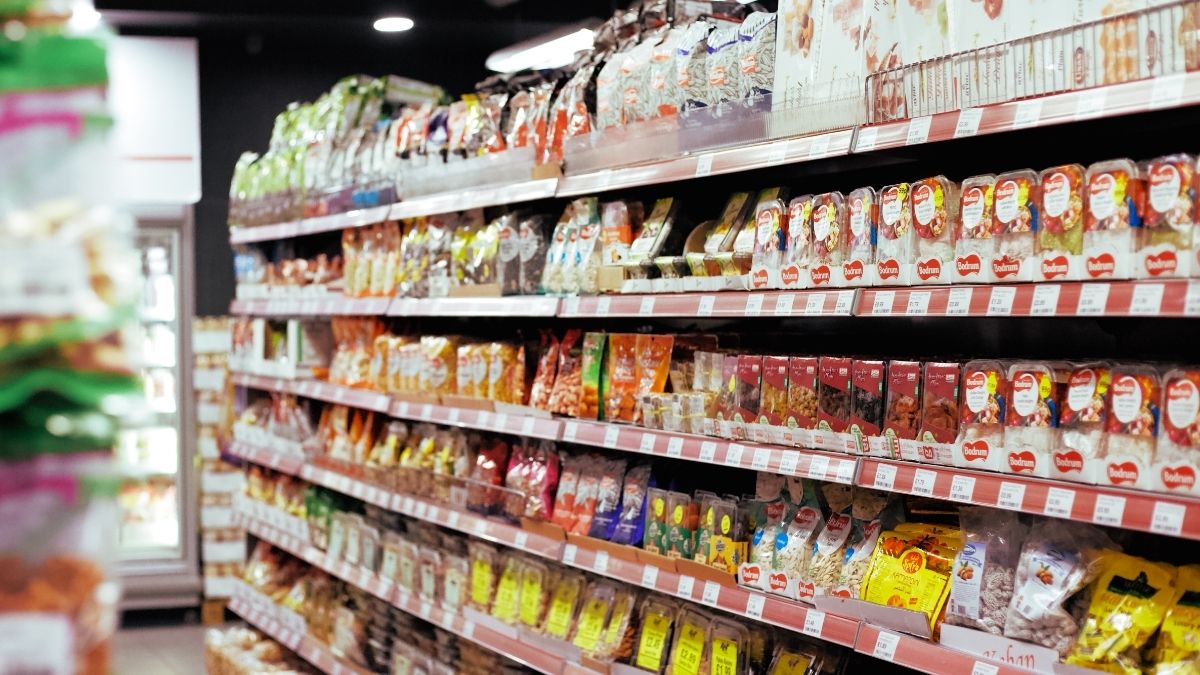

There is a quiet industry secret that has been sitting on grocery shelves for decades, and it tends to make people feel a little foolish once they find out. The product in the name-brand box and the product in the store-brand box are often, quite literally, the same thing.
Not similar. Not close. The same factory, sometimes the same recipe, priced at a very different number, and separated only by the packaging you reach for out of habit.
The Factory Secret Most Shoppers Miss
Store brands are regularly produced in the same manufacturing facilities as the name-brand products sitting right next to them on the shelf.
Large food manufacturers supply private-label versions to grocery chains as a strategic business decision, capturing different market segments without building a separate production line.
Pantry staples like sugar, flour, spices, pasta, canned goods, and frozen vegetables are categories where the raw materials and production processes are essentially identical regardless of which label is on the front.
When Blind Tests Changed the Game
A March 2025 blind taste test across 10 grocery categories found store brands winning multiple rounds outright, including white cheddar popcorn, hummus, and granola.
The store-brand popcorn winner cost 30 cents per ounce compared to 84 cents for the leading national brand, with tasters preferring it.
As of early 2026, store-brand products accounted for 24 percent of all U.S. grocery purchases, up sharply from 17.7 percent in 2021, with Aldi, Lidl, and Trader Joe’s building entire business models around private-label quality.
The Money That’s Been Walking Out the Door
When you buy a name-brand product, part of what you are paying for is the television campaign, the celebrity endorsement, the Instagram ads, and the packaging design. Those marketing costs get passed directly to you at the register, while the store brand next to it skips the advertising budget entirely.
Store brand savings average 25 to 30 percent per item, and Americans collectively save more than $40 billion annually by choosing private-label over national brands, according to the Private Label Manufacturers Association.
What to Swap First
Pantry staples are easiest to start with: pasta, rice, canned beans, olive oil, flour, sugar, and spices are simple products where quality differences are nearly impossible to detect, and the savings show up immediately.
Eggs and frozen vegetables are equally reliable swaps, with store brands now accounting for two-thirds of all egg sales in the U.S. and at least half of all frozen vegetable sales. The market has already quietly made its decision.
The next time a name-brand box catches your eye, it is worth glancing at what is sitting right next to it. The store brand is likely from the same production line, asking for significantly less money, and the only real difference between the two has been what you assumed before you looked.
RELATED ARTICLE: Eat Well for Less: The $3-a-Meal Strategy
