


The Grocery Store Trick That Cuts Your Food Bill in Half


Most people walk into a grocery store with a list of meals they want to cook and then hunt for the ingredients. That one habit, innocent as it sounds, is quietly costing hundreds of dollars every month.
The trick that actually moves the needle on a grocery bill is doing this entire process in reverse.
Shop the Sales First, Then Plan the Meals
Instead of deciding what you want to eat and then shopping for it, check the store’s weekly sales circular first and build the week’s meals around what is discounted.
Building your meal plan around what is on discount is one of the most effective money-saving strategies food economists recommend, because it keeps expensive proteins and produce rotating rather than anchoring every week to the same costly staples.
This single shift changes everything about how money flows out of a grocery cart. It also adds variety to the diet in a way that feels accidental rather than effortful.
The Delivery Bill Nobody Talks About
There is a secondary cost hiding inside many grocery budgets that has nothing to do with what is actually on the shelves.
Home cooking costs roughly four to six dollars per serving, while a delivery order runs fifteen to twenty-five dollars or more after fees and tips, meaning that replacing just two weekly delivery orders with home-cooked meals saves over fourteen hundred dollars a year.
That number alone can come close to cutting a food budget in half without changing a single thing about what is being bought at the actual store.
The Perimeter Is Where the Deals Live
Grocery stores are designed to funnel shoppers through the middle aisles, which are full of processed, packaged, and heavily marked-up products. Shopping the store’s perimeter instead keeps the cart full of fresh vegetables, proteins, and whole ingredients that provide far more value per dollar.
This is also where seasonal produce lives, and buying fruits and vegetables in season costs thirty to fifty percent less than buying the same items out of season.
Store Brands Have Quietly Become a Smart Buy
Switching to store brands used to feel like a compromise. That is no longer the case. US store brand sales hit a record in 2025, with 72% of consumers now choosing private-label products over national brands, in part because quality has improved significantly while prices remain 20 to 30% lower.
The ingredient lists are often identical to name-brand versions, and the savings compound quickly across a full weekly shop.
Never Walk In Without a List
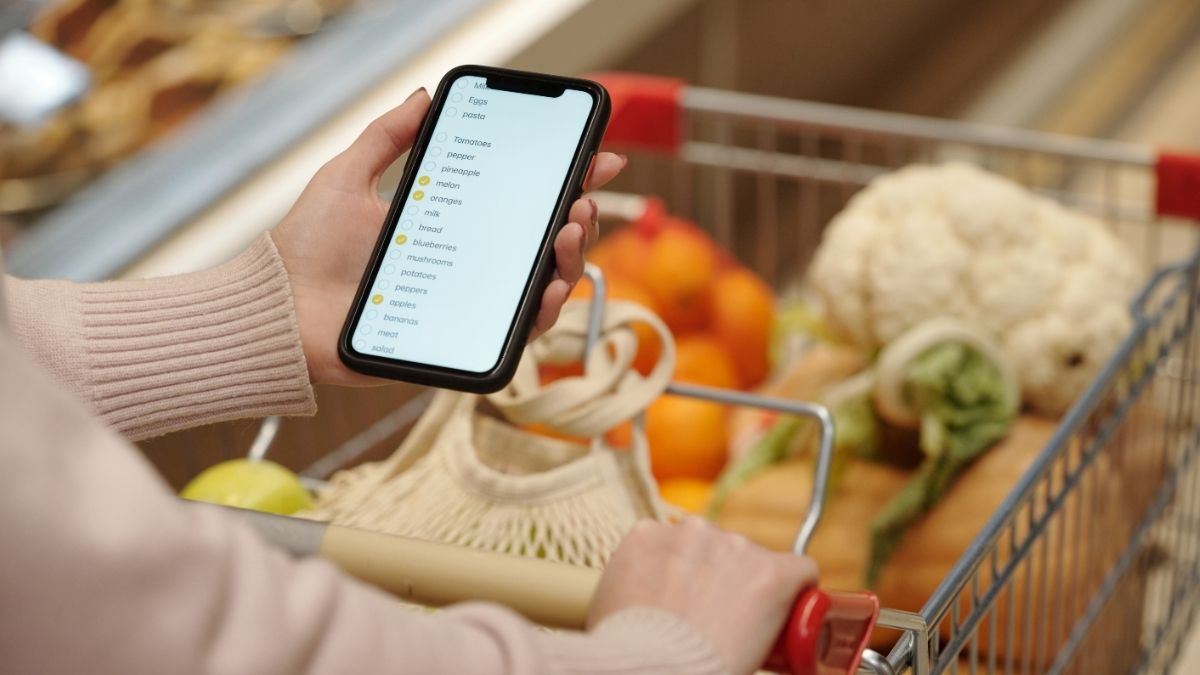
Impulse buying accounts for up to 62% of grocery sales revenue, which means stores are exceptionally good at separating shoppers from money they did not intend to spend. Shopping with a written list and sticking to it is one of the most reliable defenses against this, and shopping hungry makes that list almost impossible to follow.
The trick is not a coupon app or a loyalty program. It is simply walking in with a plan built around what is already cheap, staying on the perimeter, and leaving the middle aisles largely alone. Grocery stores are engineered to work against the shopper. The list is the only thing working in the other direction.
RELATED ARTICLE: 5 Meals That Feed Four Without Breaking the Bank
