


The Surprisingly Simple Habit Linked to Better Skin

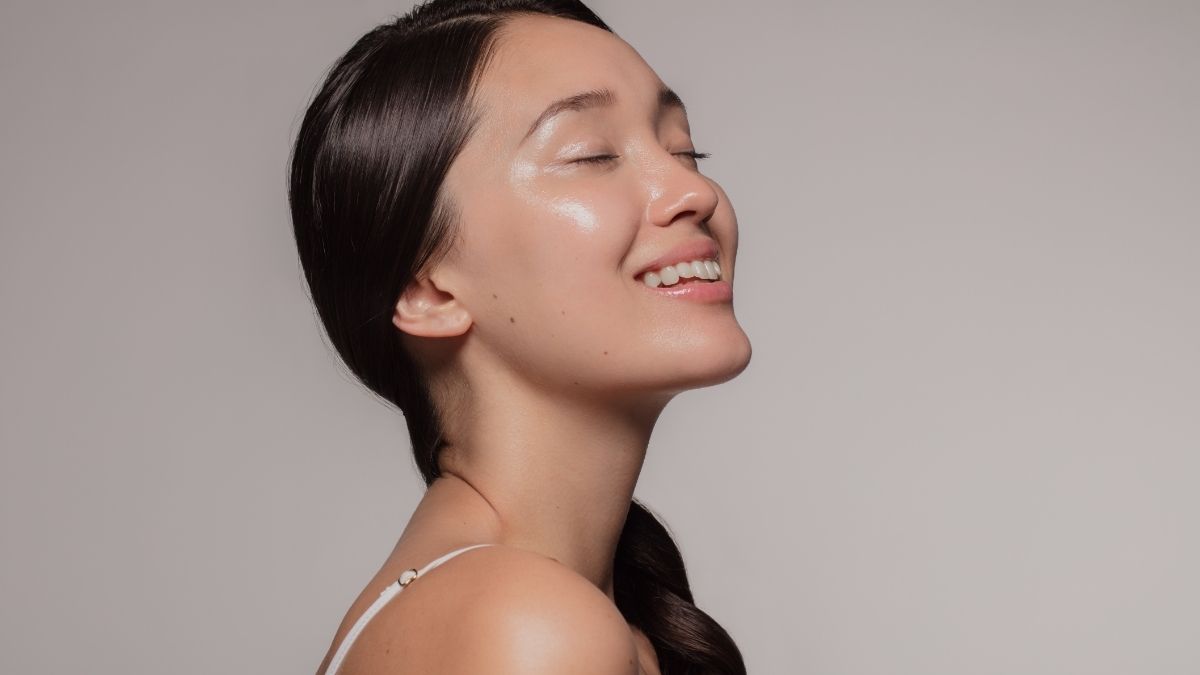

Everyone is hunting for the next serum, the next ingredient, the next device. But the most powerful skin renewal tool available doesn’t come in a jar, doesn’t require a prescription, and is completely free, which might be exactly why nobody is talking about it.
Your Skin Has a Schedule
While you sleep, your body quietly runs one of the most sophisticated repair operations in human biology. Cell repair reaches its peak in the early hours of the night, with blood flow to the skin increasing to deliver oxygen and nutrients that drive cellular renewal.
Skin cells carry their own molecular clocks, biological timing systems that coordinate when collagen gets synthesized, when damage gets repaired, and when the barrier gets rebuilt. Those clocks don’t negotiate with late bedtimes.
The Hormone Nobody Talks About
Here’s the part that changes how you think about your evening routine. Around half to seventy percent of the growth hormone released each day happens during the first part of the night, and growth hormone is the primary signal driving collagen production in the skin.
Go to bed at midnight instead of ten, and you don’t just lose sleep. You lose the window richest in skin repair. No topical ingredient currently on the market can replicate that.
What One Bad Night Actually Does
The effects of poor sleep aren’t invisible or long-term. Even a single night of disrupted sleep can produce visible puffiness, dark under-eye circles, and dry patches by morning.
Water loss from the skin increases by up to eighteen percent after poor sleep, while elevated cortisol begins breaking down the collagen and elastin that keep skin firm and elastic. A 2017 clinical study published in Clinical and Experimental Dermatology found that poor sleepers showed measurably more signs of intrinsic aging, including fine lines, uneven pigmentation, and reduced elasticity.
The Circadian Rhythm Connection
Consistency matters as much as quantity. Sticking to a regular bedtime helps synchronize the skin’s internal clock, supporting collagen regeneration and barrier repair on a predictable, optimized schedule.
Melatonin, produced during deep sleep, functions as both an antioxidant and an anti-inflammatory agent, protecting skin cells from oxidative damage while the rest of the repair cycle runs. Researchers are now calling consistent quality sleep the most powerful and most accessible longevity skincare habit available.
The Habit That Costs Nothing
The skin that people admire on others, the even tone, the natural glow, the firmness that no filter can fully replicate, is largely the skin of someone who sleeps well and sleeps consistently.
You can layer on every product in the world and still be working against yourself if you’re skipping the window when the real work happens. The most surprising skincare upgrade available tonight is simply going to bed an hour earlier.
