


Why the Mediterranean Diet Isn’t as Complicated as You Think

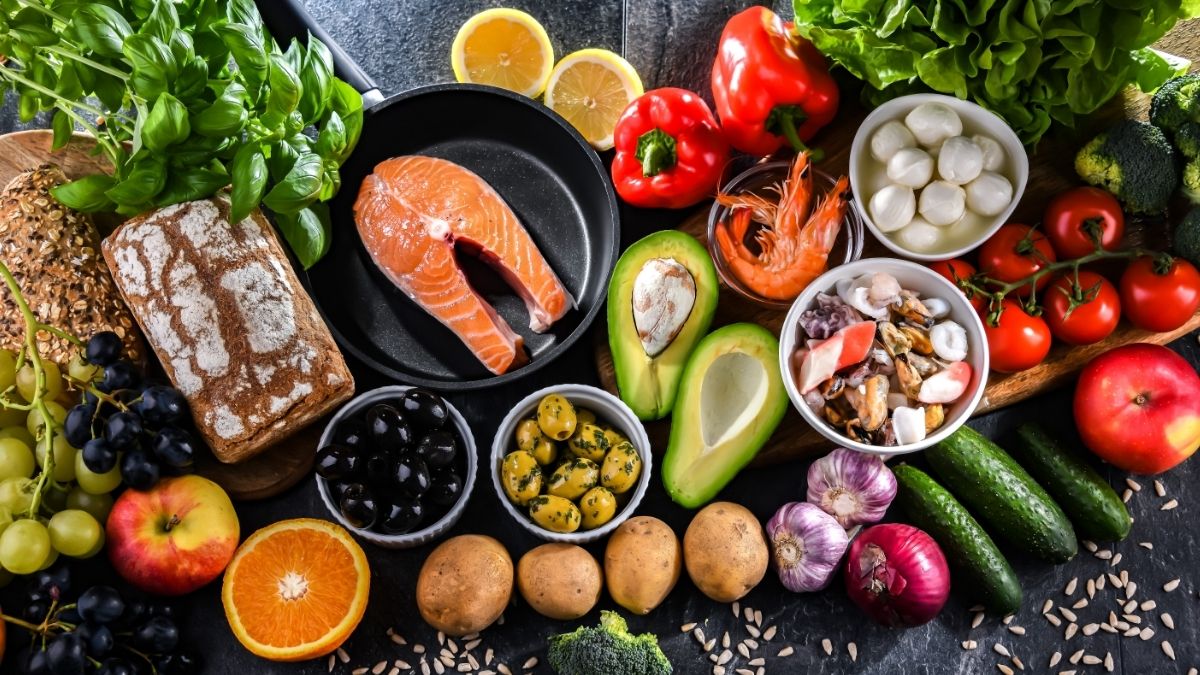

It has been ranked the number one diet in the world for eight consecutive years by U.S. News and World Report, and yet somehow it still gets filed under “too complicated to start.” The irony is that it was also ranked the easiest diet to follow. The truth is that most people are already eating closer to the Mediterranean way than they realize.
It Is a Pattern, Not a Plan
The biggest misconception about the Mediterranean diet is that it comes with a rulebook. It doesn’t. There are no calorie counts, no macronutrient targets to hit, and no food groups banned outright. The entire framework is built around a simple shift in proportions: more plants, more healthy fats, less processed food, and less red meat.
Cleveland Clinic puts it plainly: you focus on overall eating patterns rather than strict formulas or calculations. That distinction is what makes it genuinely sustainable in a way that most trendy diets aren’t.
The Only Real Swap That Matters
If there’s one change that does more heavy lifting than anything else in the Mediterranean diet, it’s swapping butter and processed oils for extra virgin olive oil. Harvard Health recommends making this the very first step, simply starting to cook with olive oil and using it as a salad dressing base.
That single habit change touches nearly every meal of the day. And since olive oil actively supports cardiovascular and brain health through its polyphenol content, it’s doing meaningful work in the background every time it hits the pan.
What a Day of Eating Actually Looks Like
A Mediterranean breakfast might be Greek yogurt with berries and a handful of nuts. Lunch could be a chickpea salad dressed with lemon and olive oil. Dinner is often a piece of fish, roasted vegetables, and a slice of whole grain bread. Fresh fruit replaces dessert most of the time, with something sweeter showing up occasionally rather than daily.
Nothing on that list requires specialty ingredients or cooking skills beyond the basics. The Mediterranean Dish frames it simply: eat more every day, eat some things weekly, eat red meat and sweets less often. That’s the whole structure.
The Health Case Is Hard to Argue With
The diet has been consistently linked to a lower risk of heart disease, better blood sugar control, and reduced risk of cognitive decline. It also rated highest in the gut health, mental health, and diabetes categories in the most recent U.S. News rankings, which were evaluated by a panel of 69 nutrition and medical experts.
The reason it keeps outperforming other dietary approaches isn’t mystery or marketing. It’s the food itself, whole, minimally processed, built around plants and healthy fats, with room for fish, poultry, and the occasional glass of wine. For a diet this well-researched, the barrier to entry is surprisingly low.
