


The Secret to Juicier Chicken Without Fancy Ingredients

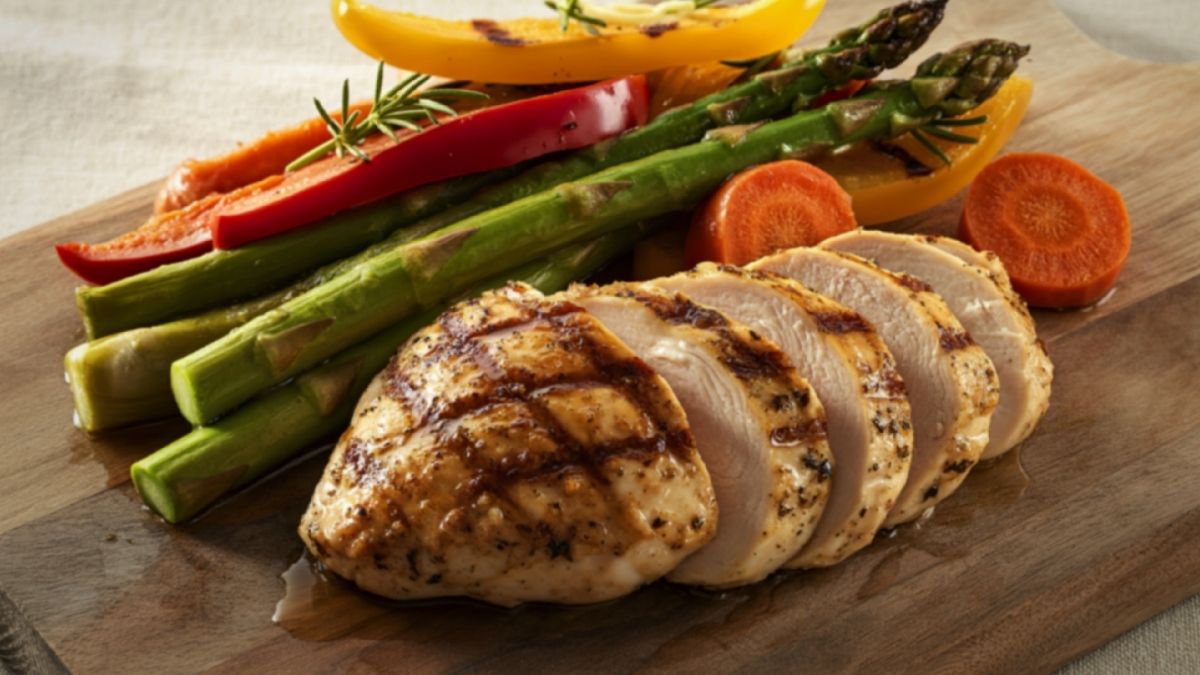

Dry chicken is one of cooking’s most consistent disappointments. You follow the recipe, hit the right temperature, plate it up, and then cut into something that has all the moisture of a paper napkin. The frustrating part is that the fix requires nothing exotic. Just water, salt, and about five minutes of effort before you even turn the stove on.
The Trick Is Brining
A brine is nothing more than salt dissolved in cold water. You submerge the chicken in it for anywhere from 30 minutes to a few hours before cooking, and the result is meat that stays noticeably juicier regardless of how it’s cooked. This is what restaurant kitchens do consistently, and it’s what most home cooks skip entirely.
The formula is straightforward. America’s Test Kitchen recommends mixing three tablespoons of table salt into one and a half quarts of cold water for boneless skinless chicken breasts, with a soak time of 30 minutes to one hour. No herbs required, no citrus, no special equipment beyond a bowl large enough to fit the chicken.
Why It Actually Works
The science behind brining is what makes it so reliable. Salt changes the structure of the muscle proteins in the meat, loosening the fibers so they can absorb and hold significantly more water. When the chicken then hits heat and those proteins contract, they squeeze out far less moisture than they otherwise would.
Brined chicken stays juicy even with slight overcooking, which is part of what makes it so valuable for home cooks. It builds in a margin for error that unseasoned chicken simply doesn’t have.
The One Step Most People Skip After Cooking
Even a perfectly brined chicken goes dry if it gets cut into immediately. When chicken is cooked, muscle fibers contract and push moisture toward the center. Slicing it straight off the heat sends those juices spilling out onto the cutting board rather than staying in the meat.
Letting chicken breasts rest for five to ten minutes after cooking, loosely covered with foil, allows the fibers to relax and reabsorb moisture before the knife goes anywhere near them. Combined with brining, it’s the difference between chicken that tastes like it came from a good restaurant and chicken that tastes like the kind of thing you eat out of obligation.
RECOMMENDED RECIPE: Bacon-Wrapped Chicken Roll Ups
