


The Seaweed Secret to Stronger Hair

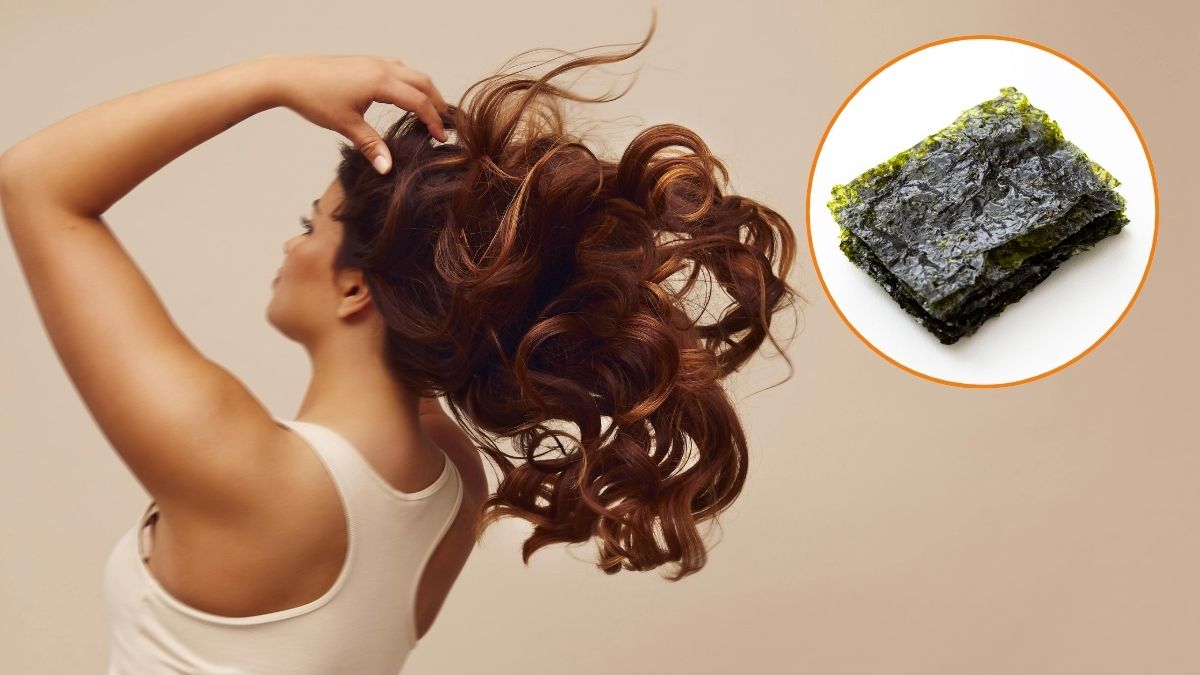

For centuries, coastal cultures across Asia have sworn by seaweed as a beauty staple, weaving it into food, skincare, and hair care long before it ever appeared on a wellness shelf. In the West, it mostly stayed on the sushi menu. But something is shifting, and the beauty industry is starting to pay serious attention to what the ocean has quietly been offering all along.
What makes seaweed so interesting isn’t any single property, it’s the sheer density of what it carries. Vitamins, minerals, amino acids, antioxidants, and omega-3 fatty acids, all packed into one plant that practically grows itself. Whether your hair is breaking, thinning, or just feeling defeated, here’s why seaweed might be worth a closer look.
Why Seaweed Works on Hair
Seaweed’s impact on hair comes down to its remarkably rich nutritional makeup. It is packed with vitamins A, B, C, and E alongside minerals like zinc, iron, and iodine, all of which nourish the scalp and hair follicles directly. Together, these nutrients encourage healthy hair growth and work to prevent the kind of deficiencies that quietly accelerate hair loss.
The amino acids in seaweed are particularly valuable because they are the building blocks of keratin, the protein that hair is actually made of. Consistent use can result in visibly thicker, stronger strands over time.
The Science Behind It
The research on seaweed and hair is more compelling than most people realize. A study on red seaweed found that applying its extract to dermal papilla cells, the cells that regulate hair growth, triggered significant cell reproduction. A separate study found that seaweed-treated groups showed the highest hair re-growth scores, along with the widest and longest hair follicles of all groups tested.
Fucoidan, a compound found in brown seaweed, has also shown promise. Research suggests it improves hair elasticity, firmness, and gloss while reducing inflammation that can disrupt the scalp environment.
Kelp, Nori, or Spirulina?
Not all seaweed is created equal, and the differences are worth knowing. Kelp stands out for its exceptionally high iodine content, which supports thyroid health and, by extension, hair growth and density. Spirulina and nori are gentler options that still carry a broad range of beneficial vitamins and minerals.
For most people, kelp is the most effective starting point, especially if hair thinning is the main concern.
How to Use It
Getting seaweed into your routine doesn’t require much effort. A basic hair mask made from two tablespoons of seaweed powder mixed with water or aloe vera gel, applied to the scalp and left on for 20 to 30 minutes, is one of the simplest and most effective options. For something richer, blending seaweed powder with avocado, olive oil, and honey creates a deeply nourishing treatment that also tackles dryness and breakage.
For those who prefer eating their way to better hair, kelp or spirulina supplements deliver the same nutrients from the inside out and can be stirred into smoothies or taken in capsule form.
Seaweed is one of those rare ingredients that holds up under both ancient tradition and modern science, which is a combination that doesn’t come around often in the beauty world. It won’t transform your hair overnight, but used consistently, it feeds your scalp and strands with exactly the kind of deep, mineral-rich nourishment that most commercial products don’t even attempt to provide.
