


Can You Reheat Potatoes? The Truth About Your Leftover Spuds

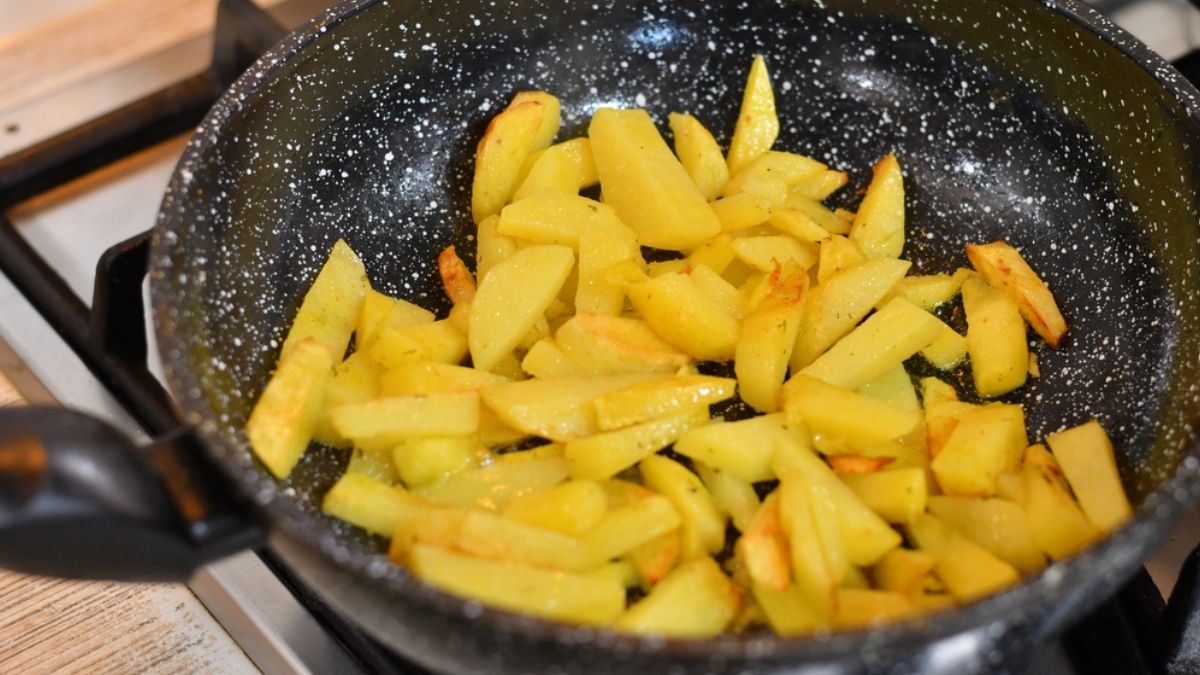

Potatoes are the ultimate comfort food, appearing in everything from creamy mash to crispy fries. Most of us end up with a few extra tubers after a big family dinner or a holiday feast. It feels like a waste to toss them out, but a few kitchen rumors might make you hesitate before grabbing that container.
Handling leftovers is an art form that requires a little bit of science and a lot of common sense. You might be surprised to learn that your favorite side dish can actually be a bit finicky once it cools down.
Let’s explore exactly how to give your potatoes a second life without any worries.
The Science of Cooling Spuds
Potatoes grow in the soil, which means they can carry certain types of bacteria home with them. One particular concern for food safety experts is a bacterium called Clostridium botulinum. If you wrap a hot potato in foil and leave it out too long, it creates the perfect environment for this germ to grow.
The lack of oxygen inside that foil wrap is what really causes the trouble. To stay safe, you should always remove the foil and get your potatoes into the fridge quickly. Leaving them on the counter for hours is a recipe for a stomach ache you definitely want to avoid.
Getting the Texture Just Right
Most people struggle with reheated potatoes because they often turn soggy or unpleasantly dry. A microwave is fast, but it rarely gives you that “just cooked” feeling we all crave. For the best results, try using an oven or an air fryer to bring back that delightful crunch.
If you are working with mashed potatoes, adding a little extra liquid is the secret to success. A splash of milk or a knob of butter can revive the creamy texture in just a few minutes. Low and slow heat is usually the best approach to keep the flavor intact.
Is It Safe to Reheat Them?
The short answer is that yes, you can safely reheat potatoes as long as you stored them correctly. You must ensure they reach a high internal temperature to kill any potential pathogens before eating. This is especially important for baked potatoes that were originally wrapped in aluminum foil.
If your potatoes have been sitting in the fridge for more than three or four days, it is better to play it safe and let them go. Always trust your nose and look for any changes in color or smell before you start cooking. When handled with care, those leftovers can become the star of your next breakfast hash!
