


The Microwave Trick That Makes Leftovers Taste Fresh Again

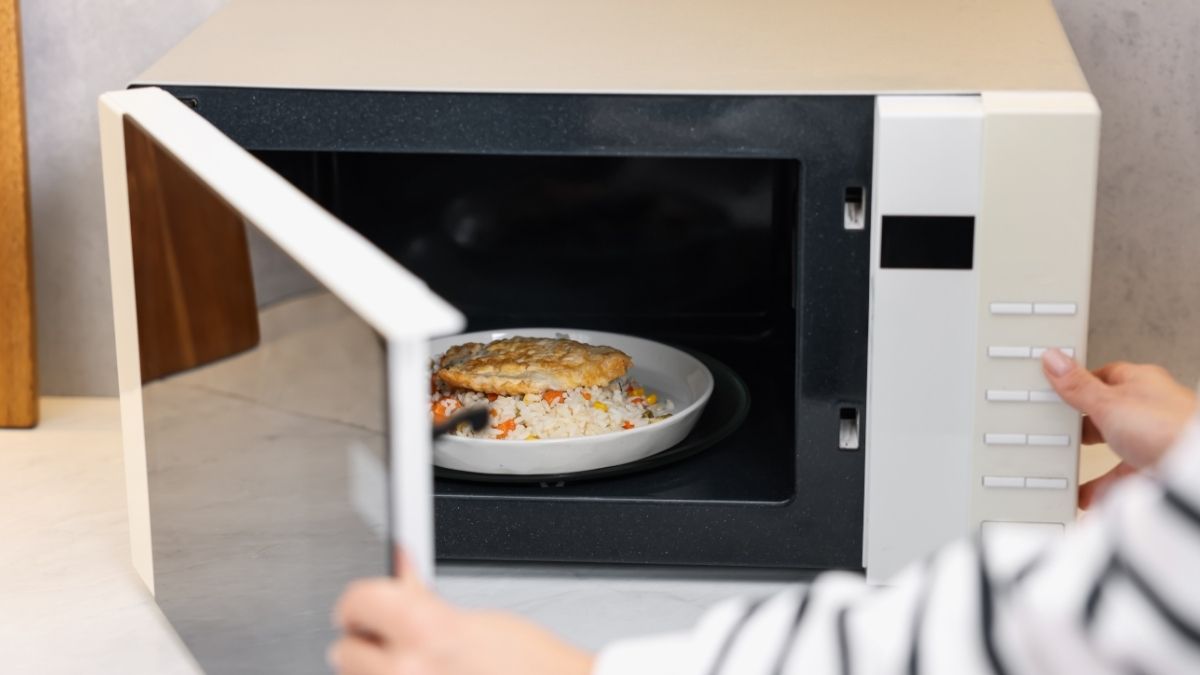

We have all been there, standing in the kitchen staring at a plate of yesterday’s pasta or a slice of pizza that looks like cardboard. It feels like a waste to throw it away, but the thought of that dry, rubbery texture is enough to ruin any appetite. Most people assume the microwave is just a convenience tool that inevitably kills the quality of a good meal.
I used to think that soggy edges and rock-hard crusts were just the price we paid for a quick lunch. It turns out that a simple physics hack can actually revive your food to its original glory.
Are you ready to learn the one-step secret that will change your reheating game forever?
The Science of Rehydration
The biggest enemy of a good leftover meal is the loss of moisture during the initial cooking and cooling process. Microwaves work by vibrating water molecules, which often causes steam to escape and leaves your food parched.
Placing a small, microwave-safe glass of water inside the unit alongside your plate prevents food dehydration by creating a humid environment.
Rescuing Your Stale Pizza
Pizza is perhaps the most difficult food to reheat without it turning into a soggy mess or a brick. By using the water glass trick, the steam keeps the cheese melty and the toppings juicy while the crust remains pliable. If you want that perfect crunch, experts often suggest finishing it for one minute in a dry pan to crisp the bottom after the microwave does the heavy lifting.
Fluffy Rice and Pasta Every Time
Grains like rice and quinoa tend to clump together and become incredibly hard once they have been refrigerated. Instead of just hitting the start button, try covering your bowl with a damp paper towel in addition to the water glass trick. This double-layer of moisture ensures the steam penetrates every grain, making your rice feel freshly steamed rather than repurposed.
The Donut Hole Method
For large portions of mashed potatoes or dense casseroles, the way you arrange the food on the plate matters just as much as the water. Pushing the food toward the edges of the plate to create a “hole” in the middle allows the microwave energy to hit the food more evenly.
This prevents the common problem where the outside of your meal is scorching hot while the center remains a frozen block.
Lowering the Power Level
Most of us are guilty of cooking everything on the high setting because we are in a rush. If you lower your microwave to 50% power, you give the heat more time to distribute slowly through the dense parts of the meal. This gentle approach combined with a splash of water is the best way to retain food texture and ensure your dinner tastes just as good the second time around.
