


How Sprouting Your Grains and Beans Unlocks More Nutrients


Whole grains and legumes have always been staples in a healthy kitchen, but they can sometimes leave us feeling heavy or bloated. Most of us just boil them and hope for the best, completely missing out on a hidden layer of nutrition.
There is actually a traditional preparation method making a huge comeback in modern wellness circles. It transforms these ordinary pantry staples into vibrant, easily digestible superfoods without requiring any expensive kitchen gadgets.
Let’s dive into the fascinating process that wakes up your food and changes how your body absorbs it.
Waking Up Your Pantry Staples
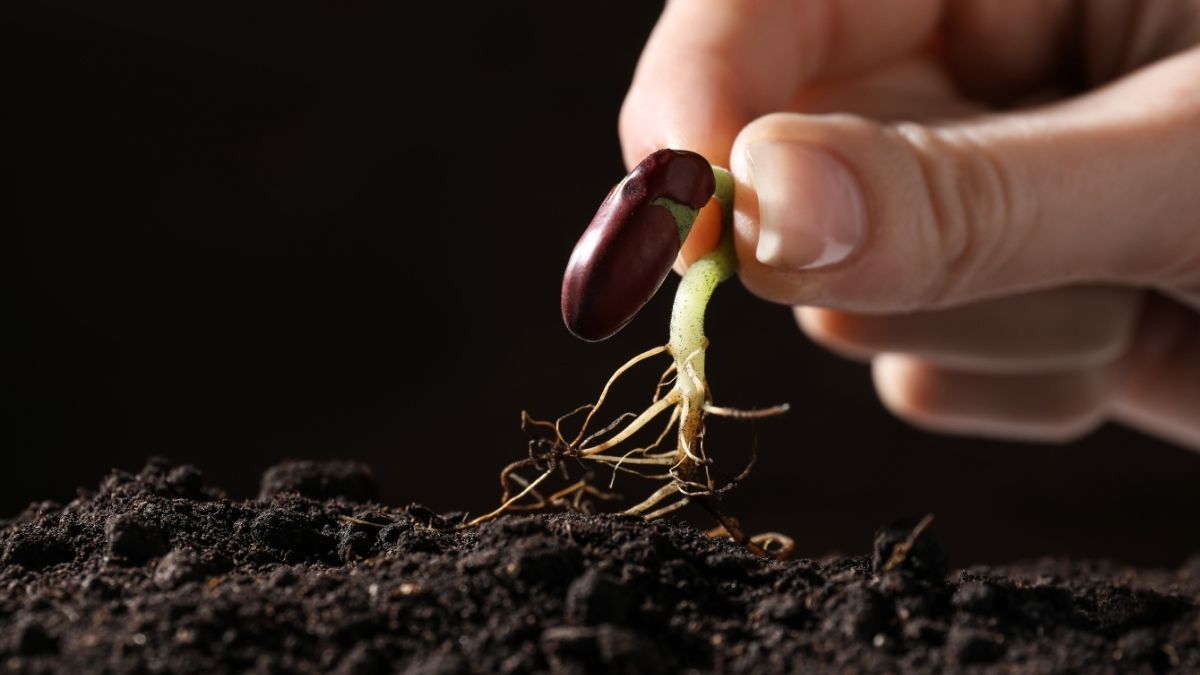
Think of a dry bean or grain as a sleeping plant waiting for the right conditions to grow. Nature locks away their nutrients with special compounds to protect them until it rains. When you soak and rinse them over a few days, you trick them into thinking it is springtime.
This simple act of adding water starts a tiny biological miracle right on your kitchen counter. The seed begins to germinate, eventually pushing out a tiny green shoot. This means the food is literally coming to life before you even put it on your plate.
Why Your Digestion Will Thank You
Those protective compounds I mentioned earlier are called antinutrients, and phytic acid is the most common one. They are notorious for blocking your body from absorbing essential minerals during the digestive process. They are also the main culprits behind the uncomfortable bloating many people experience after eating a bowl of beans.
The germination process dramatically reduces these irritating compounds naturally. Studies show that this technique decreases phytic acid levels significantly, making your meals much gentler on your stomach. You finally get to enjoy your favorite chili or grain bowl without the heavy, uncomfortable aftermath.
A Serious Nutritional Upgrade
As the seed prepares to become a full plant, it needs a massive amount of immediate energy. It breaks down complex starches into simpler sugars, making the food much easier for our bodies to process. You are essentially eating a pre-digested food that is absolutely bursting with vitality.
This chemical change is especially important for the essential micronutrients that our bodies crave every day. Research indicates that the process naturally enhances vitamin C and folate content in various popular legumes. It is honestly like getting a free multivitamin straight from your dry pantry.
What The Experts Are Doing
Chefs and holistic wellness advocates have been championing this exact technique for decades. People like Sally Fallon Morell, a prominent author on traditional foods, constantly highlight the importance of proper grain preparation. It is a beautiful slow-food practice that deeply respects how our ancestors used to eat.
You do not need a fancy greenhouse or expensive equipment to start doing this yourself at home. A large glass mason jar, some breathable cheesecloth, and a simple rubber band are all you need to get started. It requires a bit of patience, but the actual hands-on time is incredibly minimal.
Getting Started This Weekend
If you are new to this, start with something completely foolproof like green lentils or mung beans. Soak them in water overnight, drain them well, and then simply rinse them twice a day. Within two to three days, you will see those delightful little tails appear on the beans.
Toss your fresh sprouts into green salads, blend them into homemade hummus, or add them to stir-fries right at the end of cooking. Your meals will instantly have more satisfying crunch and a much fresher flavor. Best of all, you will enjoy a massive boost of highly usable nutrients with every single bite.
