


5 Spring Vegetables That Are More Nutritious When Eaten Frozen

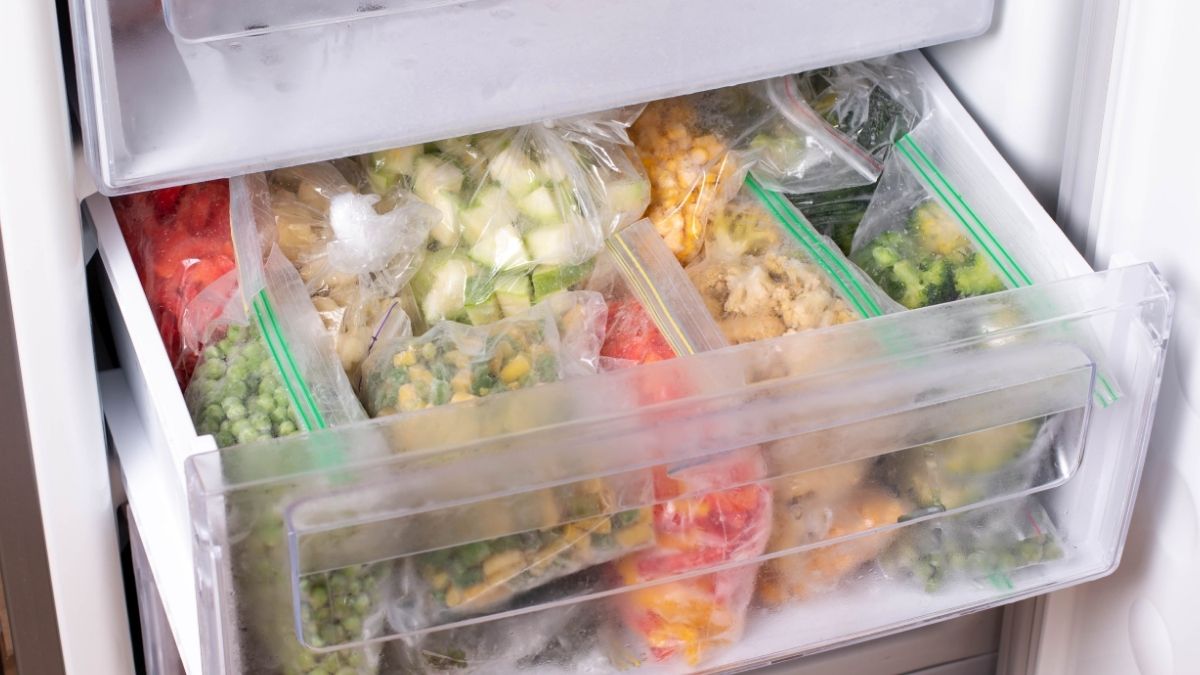

Spring is a great time to refresh your diet with colorful produce. We usually assume that “fresh is best” when browsing the grocery store aisles. Surprisingly, the freezing process can sometimes act like a pause button for vitamins.
Most vegetables lose nutrients the moment they are harvested. They often sit in trucks or on shelves for days before you buy them. During this time, heat and light break down their healthy compounds.
Frozen vegetables are typically picked at their absolute peak ripeness. They are blanched and frozen within hours of leaving the field. This process locks in vitamins that would otherwise fade away in the fridge.
Read on to discover which seasonal staples are actually more powerful after a deep freeze.
Garden Peas
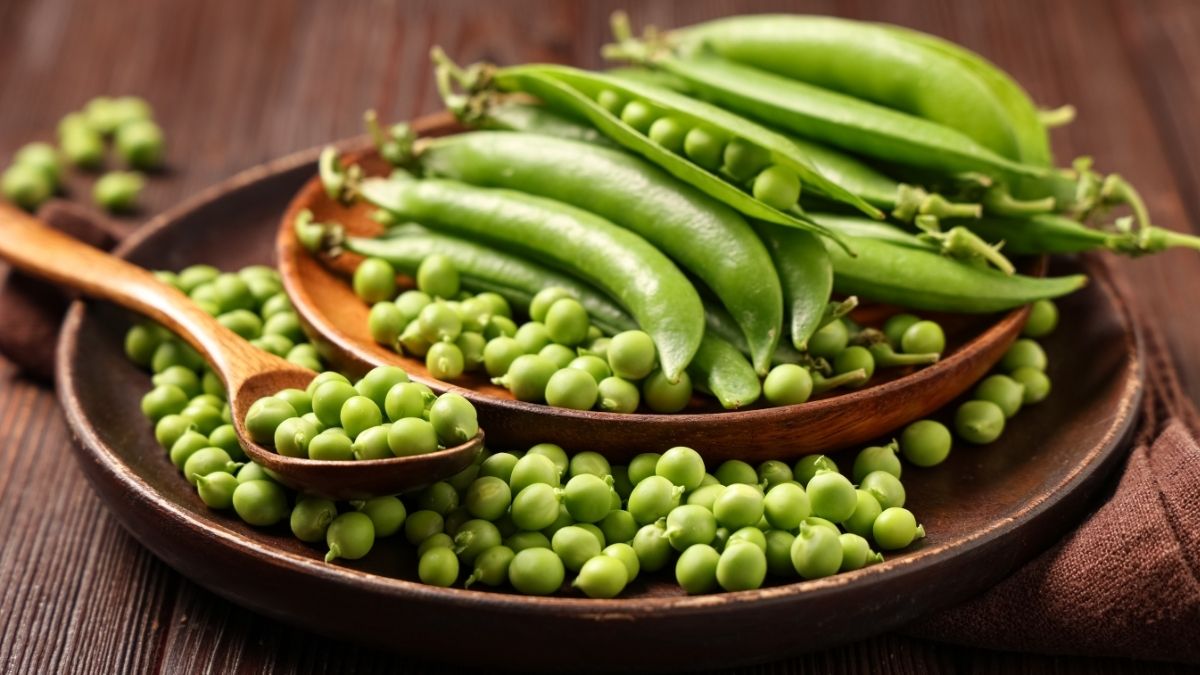
Peas are perhaps the best example of why the freezer is your friend. As soon as a pea is picked, its sugar begins turning into starch. This change reduces both the flavor and the overall nutrient density.
Flash-freezing stops this conversion immediately. This ensures that you get the highest possible levels of Vitamin C and folate. You also get a much sweeter taste than you would from older “fresh” pods.
Spinach Leaves
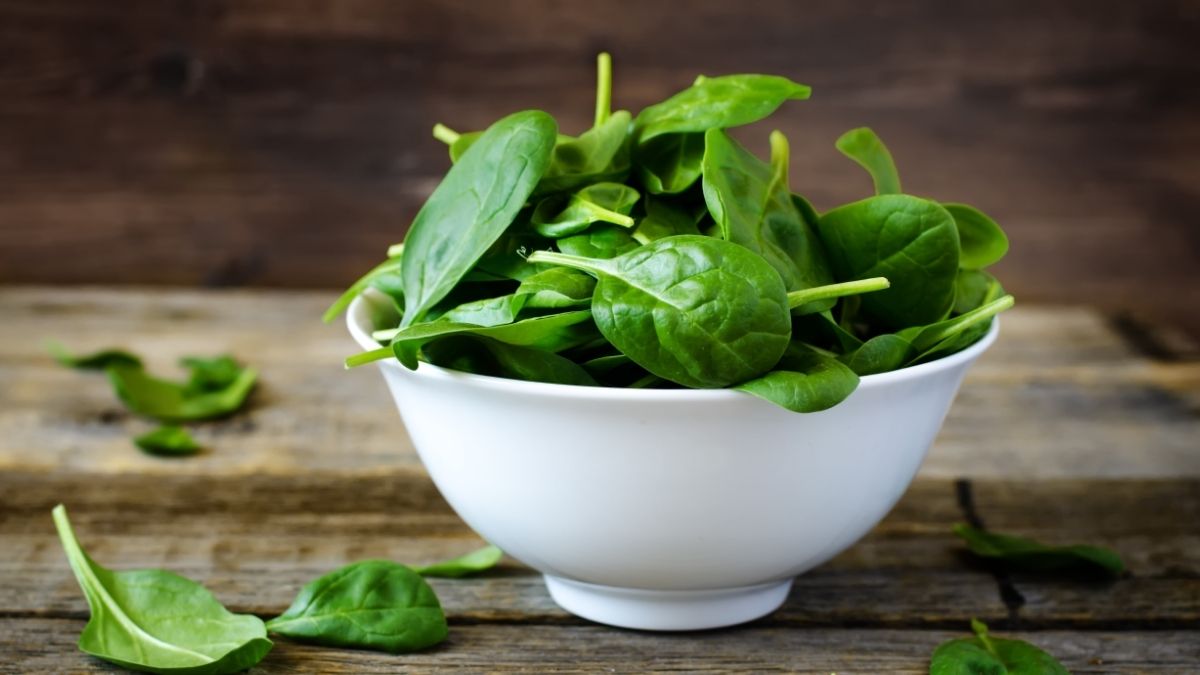
Fresh spinach is famous for wilting quickly in the crisper drawer. Even if it looks okay, its nutritional profile changes fast at room temperature. It can lose up to 80% of its vitamin C within just a few days of harvest.
Frozen spinach is packed so tightly that you actually get more greens per serving. It maintains high concentrations of folate and carotenoids because it hasn’t been exposed to oxygen. This makes it a powerhouse for your morning smoothies or pasta sauces.
Asparagus
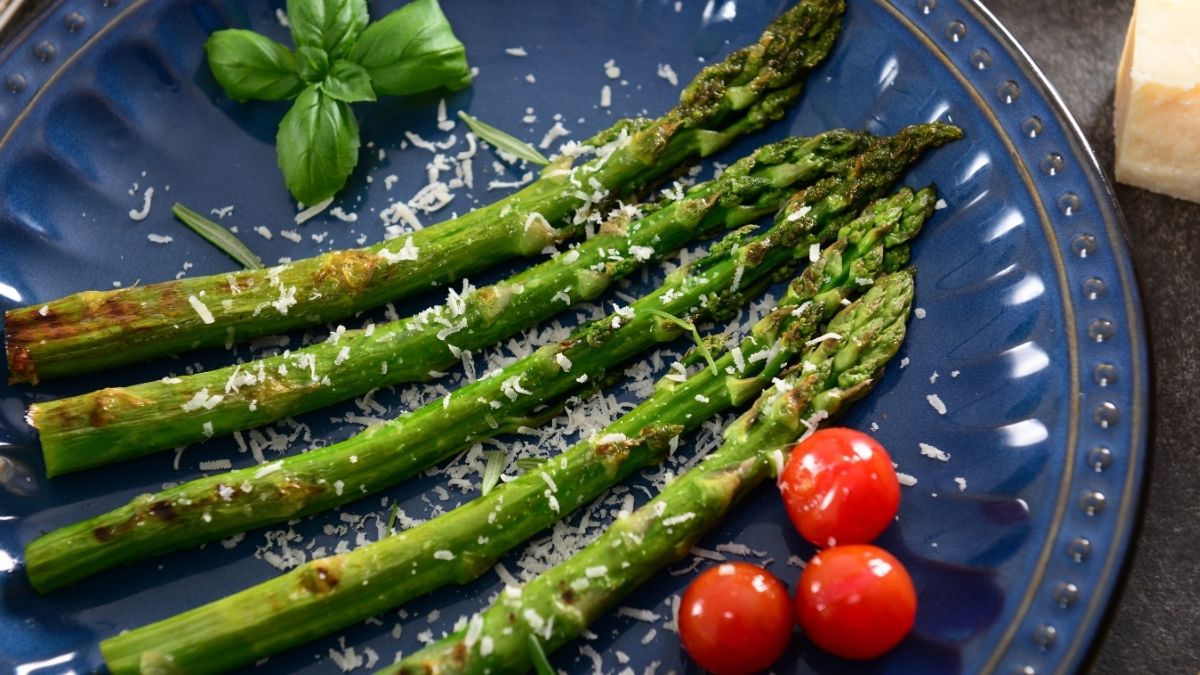
Asparagus is a spring favorite, but it is very delicate. The stalks begin to toughen and lose their water-soluble vitamins shortly after being cut. By the time they reach your kitchen, they may have lost a chunk of their goodness.
Frozen asparagus spears are harvested and processed while they are still soft. This helps preserve the antioxidant properties that support your immune system. They are perfect for roasting or adding to a quick stir-fry.
Broad Beans
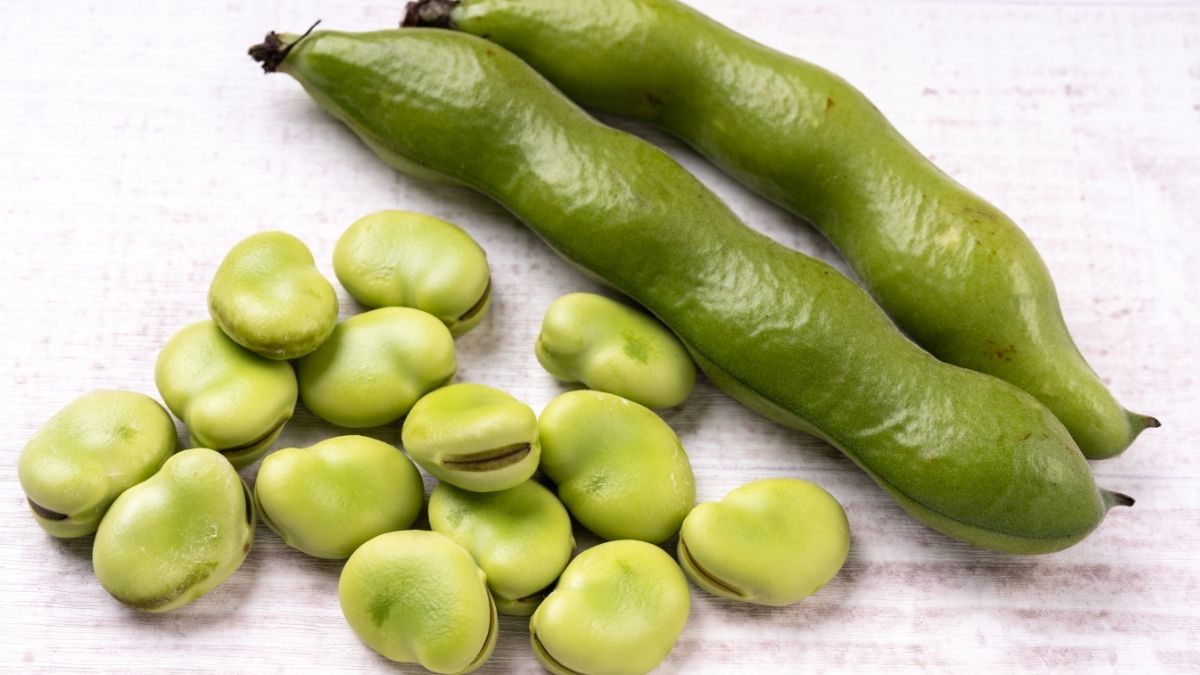
Broad beans, also known as fava beans, have a very short peak season. When bought fresh, they require a lot of peeling and can go mealy if they aren’t used right away. This aging process reduces their essential mineral content.
Choosing the frozen version ensures you are getting beans that were frozen at their prime. They remain a rich source of fiber and plant-based protein. You can enjoy these spring gems all year round without losing the health benefits.
Broccoli Florets
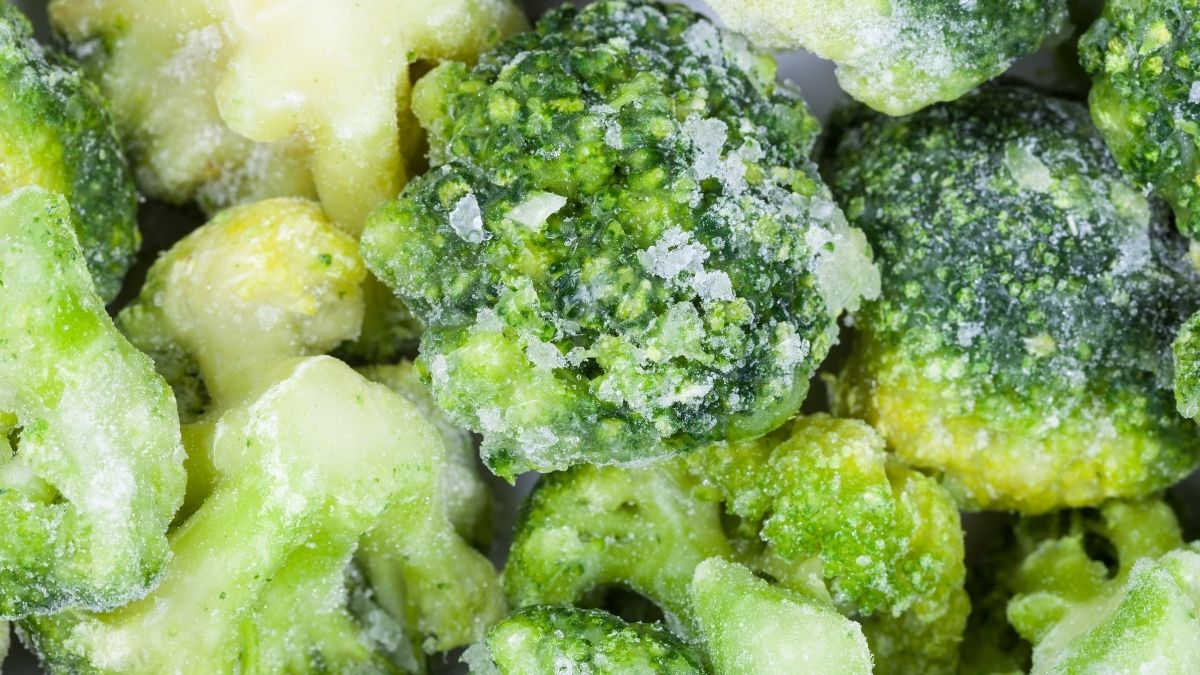
Broccoli is often available fresh, but it is highly sensitive to storage conditions. If it sits under bright grocery store lights, it loses its healthy enzymes. Frozen broccoli is shielded from this light and kept at stable temperatures.
Research shows that frozen florets often have more riboflavin than the fresh ones found in the produce aisle. It is an easy way to ensure your family gets their daily dose of greens. Simply steam them lightly to keep the crunch and the nutrients intact.
