


Decoding the “Gluten-Free” Label: Should We All Be Avoiding It?

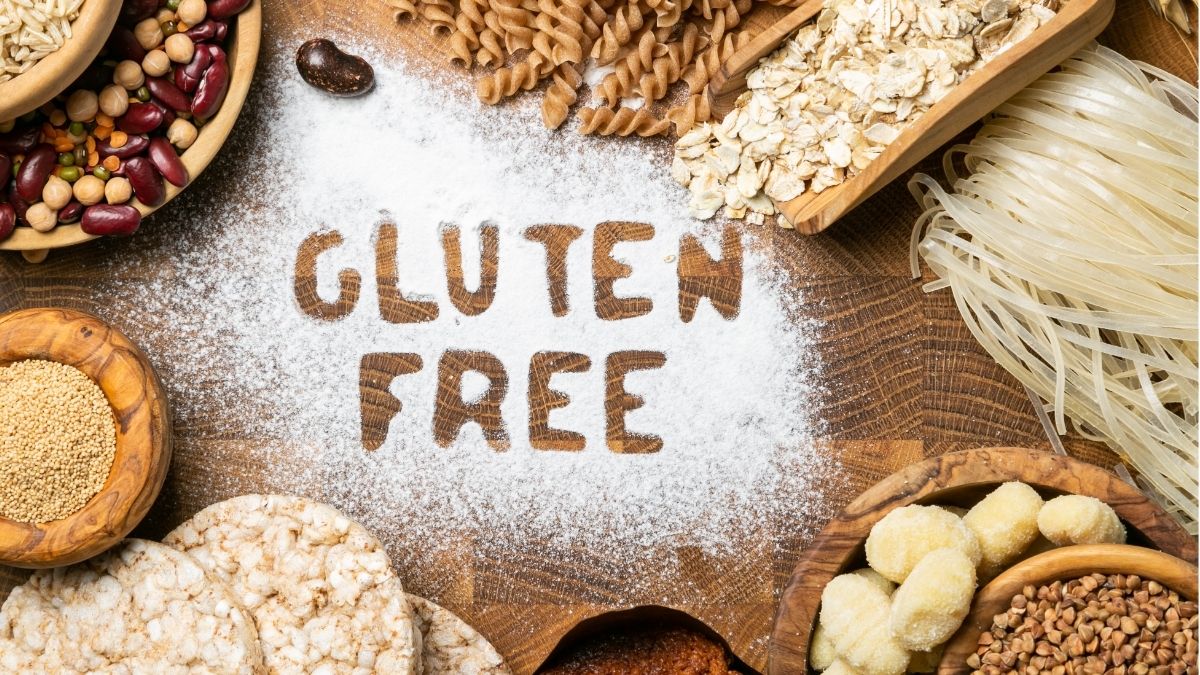

Walk down any grocery store aisle today, and you will spot a “gluten-free” label on almost everything. From bread and pasta to snacks and even water, this dietary trend has taken the world by storm. Many people assume that skipping this ingredient is a fast track to better health and weight loss.
Let us look at what this label truly means and who actually benefits from putting these products in their shopping cart.
Understanding What Gluten Actually Is
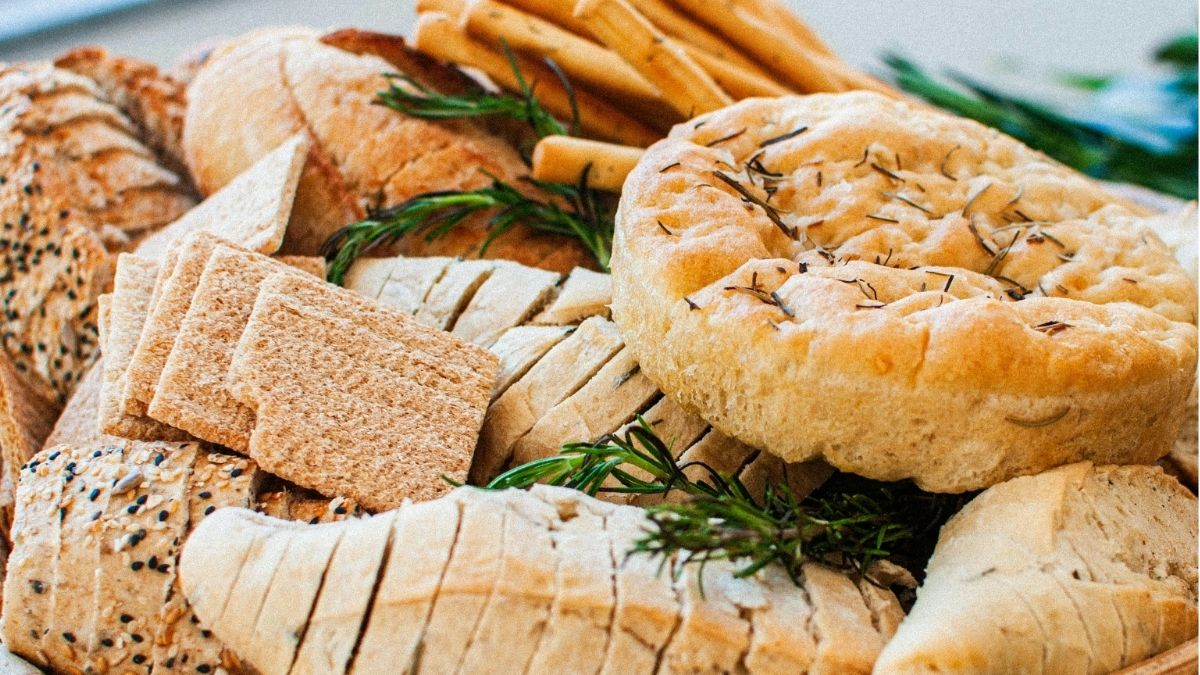
Gluten is not a dangerous chemical or a modern artificial additive. It is simply a type of protein naturally found in wheat, barley, and rye. This protein acts like a glue that holds food together, giving your favorite pizza dough its stretch and your morning toast its chewy texture. For most of human history, it has been a normal and harmless part of the global diet.
When Avoiding It Becomes a Medical Necessity
For a specific group of people, eating this protein causes serious harm. People diagnosed with celiac disease experience a severe immune reaction when they consume it. This reaction damages the lining of the small intestine and prevents the body from absorbing essential nutrients.
Others may not have celiac disease but still suffer from non-celiac gluten sensitivity. For them, eating wheat causes uncomfortable symptoms like bloating, stomach pain, brain fog, and chronic fatigue. In these specific medical cases, a strict zero-gluten diet is the only effective treatment.
The Trap of Processed Replacements
A common mistake is believing that any package with this trendy label is automatically good for you. The food industry often replaces the missing protein with heavy doses of sugar, unhealthy fats, and refined starches to make the product taste good.
Studies and dietitians note that many highly processed gluten-free alternatives actually contain more calories and less nutritional value than their regular counterparts. Swapping a whole-wheat cookie for a gluten-free cookie does not turn it into a health food.
The Risks of Unnecessary Restriction
If your body digests wheat perfectly fine, cutting it out completely might do more harm than good. Whole grains are some of the best everyday sources of dietary fiber, iron, calcium, and B vitamins.
Medical experts warn that adopting this diet without a true medical reason can lead to significant nutritional deficiencies and lower your intake of heart-healthy whole grains. A healthy gut microbiome also thrives on the diverse fibers naturally found in whole wheat and barley.
Listening to Your Body First
The bottom line is quite simple. If eating bread leaves you feeling sick, tired, or in pain, you should definitely consult a doctor to get tested properly before making drastic changes.
However, if you feel perfectly fine after a bowl of regular pasta, there is no need to jump on the bandwagon. Enjoying high-quality whole grains in moderation is still one of the smartest choices you can make for your long-term health.
